When Writing Becomes More Than a Hobby

You know what I’ve realised lately?

Writing, not just novels but short stories, flash fiction, even blog posts, has become more enjoyable to me than watching TV. More than movies. Sometimes, even more than reading.

Don’t get me wrong, I still love a good story in any form. But there’s something different about sitting down with a blank page. Something alive. It’s not passive, it’s creation. Every sentence, every scene, is something I get to build. To breathe life into.

It’s strange, isn’t it? We spend so much of our lives consuming stories, but when you start creating them, time shifts. You stop watching from the outside and begin shaping the inside, the heartbeat of the world you’re building.

And it’s not just about finishing something. It’s about the act itself, the quiet joy of shaping a world from nothing, of following a character you didn’t plan to meet, of reaching a line and thinking, Ah. That one was honest.

Writing has become my pause in the noise, a place where time disappears, yet I feel more present than anywhere else. It’s where I find myself again.

So I wonder, does anyone else feel this? Has writing ever felt more fulfilling than bingeing a series? More grounding than scrolling through a feed?

If so, I’d love to hear your thoughts. Because for me, writing isn’t just a pastime anymore. It’s where life slows down just enough for meaning to take shape.

Watch the video here: Why Writing Feels Better Than Watching TV | Life as an Author

Why I’m Writing Fantasy Short Stories (And How They Expand My Novel’s World)

Before my epic fantasy novel The Veil of Kings and Gods releases, I wanted to open a small window into the world of Ældorra, a world of stone kingdoms, fading gods, and myths that refuse to die.

Each short story I write is its own world in miniature. They don’t rely on the main novel, yet every one of them echoes it, a fragment of history, a lost prayer, or a legend that shaped the lands my characters now walk. Some are quiet and personal; others burn with the power of the divine. Together, they breathe life into Ældorra in a way that maps and lore pages never could.

Writing these stories is more than worldbuilding, it’s a way of feeling the world I’ve spent years creating. When I step into a new tale, I discover the texture of the world again: the smell of rain on stone, the flicker of temple light, the forgotten names carved into the ruins.

These short stories aren’t just for readers waiting for the novel, they’re for anyone who loves myth, emotion, and the quiet moments that make a fantasy world feel alive.

You’ll soon be able to explore them as ebooks, see the artwork behind them, and even collect the prints.

Welcome to Ældorra. The gods don’t stay silent forever.

🎥 Watch the video

5 Things I’ve Learned Writing My First Novel

When I first sat down to write The Veil of Kings and Gods, I thought I had a pretty good idea of what I was getting into. Turns out, I didn’t. Not entirely. What started as a story I’d been carrying around for years quickly became something bigger, more demanding, and surprisingly personal.

So here are five honest things I’ve learned while writing my first novel. No fluff, no glory, just the raw truths behind the word count.

1. Writing a novel is 20% writing, 80% rewriting

When people talk about “finishing a book,” what they usually mean is “finishing a first draft.” The actual writing is just the beginning. What follows is a long dance of trimming, reshaping, rewriting, and wondering what on earth you were thinking when you named a city “Flarnrath.”

Most of my real progress has come in the second draft, when characters became real, scenes started breathing, and I finally admitted that yes, that one chapter was absolute rubbish and needed to go.

2. Plot holes are sneaky little things

You can outline. You can plan. You can spend hours naming every town and hill. But I promise you, by Chapter 20, a plot hole you never saw coming will sneak up behind you like a fantasy tax collector.

Sometimes it’s a missing motivation. Sometimes a character forgets something they knew two chapters ago. Sometimes your own world’s logic turns on you. And that’s okay. Spotting the flaws means you’re actually building something worth fixing.

3. Characters have a mind of their own

This one still baffles me.

You give a character a role, supportive friend, rival noble, doomed warrior and before you know it, they’re wandering off-script, falling in love with the wrong person, or refusing to die when they’re supposed to.

It’s frustrating and brilliant. Because when a character surprises you, they’re starting to feel real. That’s when the story stops being yours alone and starts becoming something living on the page.

4. Worldbuilding is addictive (and dangerous)

Creating maps, lore, languages, timelines, ancient conflicts, it’s endlessly fun. But it can also become a brilliant excuse to avoid actual writing.

I’ve spent entire evenings designing a river system no one will probably ever look at, just to avoid a tough scene. It’s a delicate balance: build the world deep enough to feel real, but not so deep you never come up for air.

5. Progress isn’t linear, but momentum is everything

Some weeks I write two thousand words a day. Other weeks I barely manage two hundred. And that’s alright. It doesn’t mean I’m failing. It just means I’m human.

The trick is to keep showing up, to keep the story alive in your head and your heart, even when life pulls you in five different directions. Momentum builds when you stay close to the work, even if it’s just scribbling a line on your phone while riding the train.

Final Thoughts

Writing this novel has been one of the hardest and most rewarding things I’ve ever done. It’s taught me patience, discipline, and the strange kind of joy that comes from creating something nobody else can quite see, yet.

If you’re writing something of your own, or just thinking about it, I hope this little list reminds you that the struggle is part of the journey. And that you’re not alone in it.

Feel free to drop a comment below or subscribe to the blog if you’d like updates on my novel progress, lore posts, or random ramblings from the author cave.

See you in the next post.
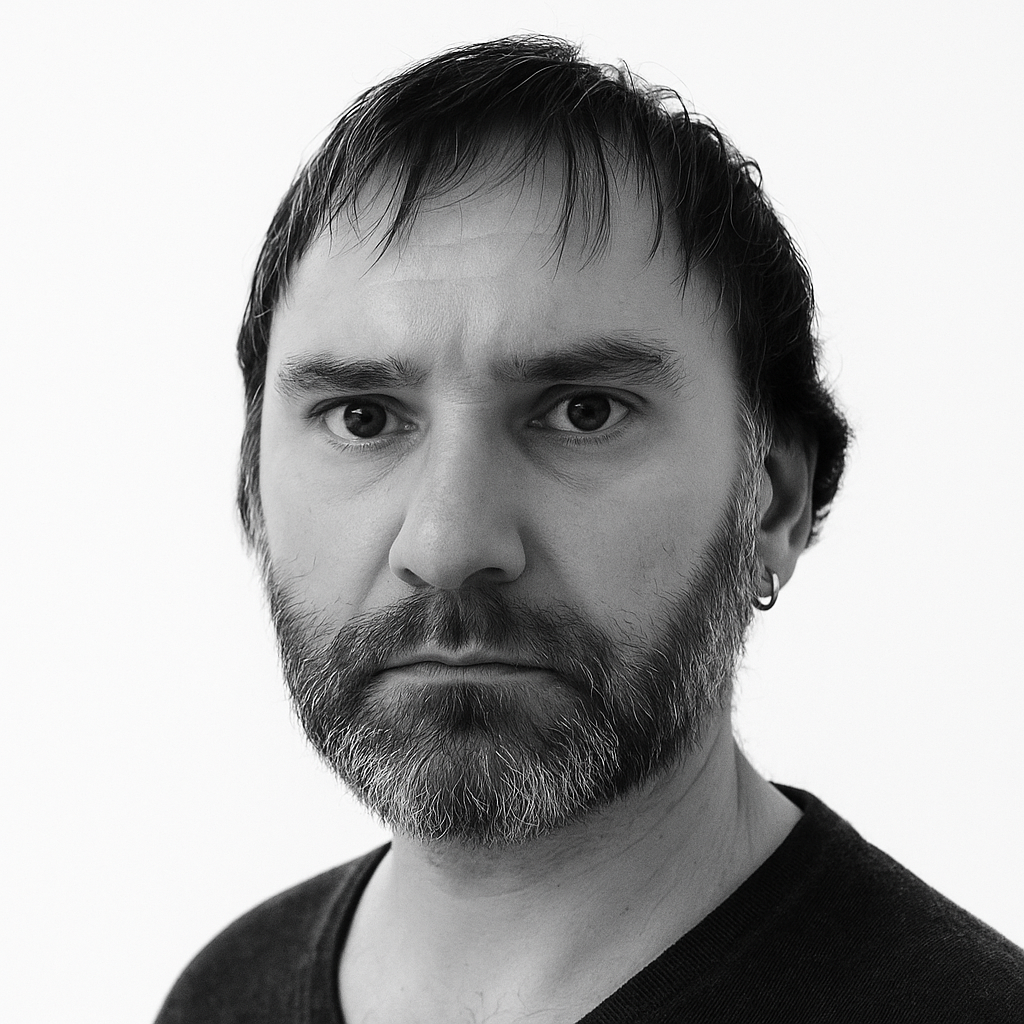
Writing Through Illness Keeping the Flame Lit

There’s a particular stillness to the house when one is unwell. The windows dim, the hours stretch thin, and even the simple act of sitting at a desk becomes a task weighed with strange solemnity. Over the past week, I’ve been writing through a heavy spell of illness, not the romantic sort that lends itself to poetic fever-dreams and sudden inspiration, but the ordinary kind. The draining, silent kind. Head fog, aching bones, and the slow drag of breath.

And still, the story asks to be told.

It hasn’t been easy. The rhythm of my chapters, those long, rolling sentences that mirror the breath of the world I’m building, do not come quickly when my mind is wrapped in cotton. Dialogue feels slower to surface, the flow of magic across a battlefield takes more effort to visualise, and Simion’s thoughts… his weariness starts to echo my own. Yet somehow, that makes the writing more honest. There’s no room for pretense when you are sick. What emerges on the page feels stripped back to truth.

There’s comfort in the discipline, too. Even a few hundred words become a kind of anchor. I’ve been working steadily through Chapter 31, part by part, and while I’ve not progressed at my usual pace, I’ve remained in the world. That matters more than anything. Staying inside the rhythm of the novel, no matter how slowly, prevents the silence from becoming distance. And when you are tired, truly tired, that distance grows fast.

This post is not a grand revelation, nor a triumphant declaration of productivity. It is simply a mark on the wall. A quiet signal that the story lives, even on days when the author does not feel particularly alive himself. If you are also working through something, whether a cold, a long week, or a deeper weariness, I hope you remember this: words written under strain are still worthy. They still carry weight. And sometimes, they carry more of you than you realise.

I’ll return to the cliff’s edge soon, where Simion waits beside those ancient stones. There is much still to tell.

Until then, rest, breathe, and if you can, keep the flame lit.

A Return to Midkemia Rereading The Magician

Some books never really leave you.

Even when they’re tucked on a shelf or buried behind newer titles, their stories linger. A sentence, a scene, a spell you didn’t quite understand the first time, it waits. And then one day, without planning to, you find yourself reaching for that book again.

This week, for what might be the fifth… or sixth time (I’ve honestly lost count), I picked up The Magician by Raymond E. Feist.

It wasn’t for research. It wasn’t for content. It wasn’t even because I had a review planned, though I probably will do one soon.

It was comfort. Familiar. Like slipping into an old cloak that still smells of cold air and campfires.

Not Just a Fantasy Classic, It’s a Personal One

I first read The Magician when I was much younger. I remember being drawn in by the idea of a world that felt so real, yet entirely imagined. There was something alive beneath the pages, something that stretched beyond just Pug’s journey. The kingdoms, the magic, the war between worlds, it planted a seed.

Years later, I can see just how much it shaped my own writing.

The novel I’m currently working on: The Veil of Kings and Gods, owes more than a little to that early inspiration. Not in structure or setting, but in feeling. In that desire to build something layered. Something with blood and dirt and ancient magic still echoing through the stones. Something with characters who don’t always say the right thing, who make mistakes, who grow.

Rereading it now, as someone building their own world and story, hits differently.

I see the gears turning. I notice choices I didn’t catch before, what Feist reveals and withholds. Where he lingers. Where he lets silence speak. And, maybe most of all, I see how much freedom there is in the early pages of a world you’ve only just started to map.

No Pressure, Just Pages

I’ll save the full review for another day. One where I can dig into the structure, the craft, and why this book still holds up decades later.

But for now, this reread has reminded me that sometimes, you don’t need to analyse a book to love it. You don’t need to annotate the margins or write notes on pacing. You just need to sit with it. Let it wash over you again.

Not every read needs to be productive. Some are just for the soul.

What I’m Thinking About Now

Maybe you have a book like that. One you return to when your own pages feel stuck. One that reminds you why you write or why you started writing.

If so, I’d love to hear what it is.

And if you’ve never read The Magician, maybe this is your sign to give it a go. Or to dust it off and re-enter Midkemia for a while.

There’s something magical about going back.

Why I’m Using AI-Generated Shorts to Grow My YouTube Channel

There’s a quiet revolution happening behind the scenes of my creative work, one I never thought I’d be part of. It’s powered by AI, and no, it’s not replacing my stories. It’s helping me bring them to life in ways I couldn’t have managed alone.

Like many indie authors, I wear too many hats. I write late at night. I design lore in the gaps between work and family. I film when I can. And while my passion for storytelling runs deep, time is always the enemy. That’s why I’ve started using AI-generated YouTube Shorts to support my channel, not to flood it with junk, but to expand the edges of my creativity.

These Shorts Are Still Me

The scripts are written in my voice. The ideas are mine. The worlds, fantasy and sci-fi alike, are entirely my own. What AI gives me is speed. A way to turn a scene I wrote, a bit of lore, or a behind-the-scenes moment into a 30-second story that lives online, without spending three hours editing.

And that matters, because these Shorts aren’t filler. They’re intentional fragments of my world, each one crafted to give readers and viewers a glimpse into the universes I’m building.

It’s an Experiment in Creativity

I’m not doing this to cheat the system. I’m doing it to see how far I can stretch what it means to be an author in the modern world. To test if AI tools can act not as shortcuts, but as creative amplifiers. Could they help me reach new readers? Could they let me express my lore through new media? Could they keep the fire burning on days I’m too tired to speak into a camera?

So far, the answer feels like yes.

This Channel Will Stay Focused

Let me be clear: I’m not turning my YouTube into a spam machine. Every AI-generated Short I post will stay rooted in the themes of this channel: fantasy lore, writing life, story updates, and creative experiments.

Some Shorts will feature book updates. Others will bring a map to life. A few might explore the deeper questions inside my world, things like prophecy, time, or gods. All of it ties back to the core: my books, my stories, and the journey I’m inviting you to follow.

Join the Experiment

This is all new, and honestly, a little strange. But if you’re curious, about the writing, the stories, or the way AI might shape the future of art, stick around. Subscribe. Share your thoughts. Watch how this channel grows.

Because I’m not just telling a story. I’m learning how to build it in public, and you’re part of that process now.

Editing, Rereading, and Rediscovering My Story

Over the past few days, I’ve been deep in the process of proof-reading and editing three chapters of my novel, The Veil of Kings and Gods. It’s not the most glamorous part of writing, but this time, it felt different.

Something about reading the story with fresh eyes after a short break made the experience… enjoyable. Genuinely enjoyable.

I wasn’t just correcting grammar or trimming repetition, I was rediscovering the world I’d built. The tension in a particular scene, the rhythm of dialogue I’d forgotten writing, or that one line that landed exactly how I hoped it would months ago. These small victories reminded me that, yes, I’m actually telling a story worth reading.

There’s a strange kind of pride that comes with this phase. It’s less about ambition and more about affirmation. Not “Will this sell?” but “I’m glad I wrote this.”

Of course, I still tweak. I still cut. I still sigh when a sentence refuses to behave. But the difference now is that I’m refining something real, something that already exists, not chasing a blank page.

If you’ve ever written something long-form, be it a novel, a thesis, or even a personal journal, you might know the feeling: rereading your own words and thinking, This isn’t perfect… but it’s mine. And it’s good.

That’s the stage I’m in right now. And I wanted to share it, not just the technical process, but the strange joy of falling back into a world you created and realising you want to stay there a little longer.

Want to Hear the Behind-the-Scenes Version?

If you’d rather hear me talk through the editing process, I recorded a short face-to-camera video as well. You can watch it here:

Whether you’re a fellow writer, a reader waiting for the book, or just curious about the creative process, I hope this gives you a little window into what it means to edit with joy.

Let me know in the comments: Have you ever gone back to something you made and felt quietly proud of it?

How I Stay Inspired While Writing the Same Story for Years

Writing a novel isn’t always a straight path. For me, it’s been more like a winding mountain trail, sometimes clear and exciting, other times foggy and slow. I’ve been working on The Veil of Kings and Gods for years now. The world, the characters, and the themes have all evolved over time. And yet, somehow, I’ve never walked away from it.

So how do I stay inspired?

It’s not some mystical lightning bolt. It’s smaller than that, quieter. Sometimes it’s rediscovering an old scene I wrote months ago that still makes me smile. Other times it’s worldbuilding, filling in the map of Ældorra, thinking about what life is like in a ruined empire or how a long-forgotten piece of magic reshapes a character’s fate.

I also let the story grow with me. When I started this book, I was in a very different place in life. But I didn’t throw it out and start over. Instead, I’ve allowed my voice, my ideas, and my perspective to shift as the years have passed. I’ve rewritten, restructured, and reimagined, but never lost the heart of it.

What helps most, though, is this: I don’t pressure myself to rush.

This is a story I care about. I want it to be the best version of itself, not the fastest one. That mindset keeps the love alive. Some days I only manage a few lines. Other days I go deep. But each word brings me closer to the story I want to share.

If you’re writing something that’s taken years, you’re not alone. Let it take the time it needs. Let it change with you. The story will be stronger for it.

I’d love to hear about your long-term projects. What keeps you going? What has changed since you started?

Why I’m Returning to YouTube | And Why It Starts with This Book

There’s a difference between going quiet and being absent.


For a while, I stepped away, from videos, from updates, from showing anything before it was finished. It wasn’t dramatic. It wasn’t burnout. It was the slow realisation that I didn’t want to just “upload” things. I wanted to build something worth showing.

And for me, that something has always been The Veil of Kings and Gods.

It’s the novel I’ve rewritten, expanded, and quietly carried through drafts and worldbuilding documents while the rest of life kept moving. But now, it’s taking shape and with it, so is the purpose of my YouTube channel.


✍️ What You’ll Find on the Channel

This isn’t a general author channel. It’s not a catch-all for whatever I feel like filming. It’s a focused space for one story, The Veil of Kings and Gods, and the creative journey behind it.

Here’s what I’ll be sharing:

  • Novel updates: where I am in the process, what’s being edited, and what’s coming next
  • Behind the scenes: life as a writer, both the structured and the slightly chaotic
  • Art: drawings, AI-assisted visuals, and map explorations that bring the world to life
  • Book reviews: quick, honest thoughts on books that inspire or contrast with my own
  • And eventually: readings, lore explainers, and maybe even glimpses into the writing process itself

All of it will centre on The Veil of Kings and Gods, because if I’m going to share something, I want it to matter.


🧾 The Chapter in My Hand

In the video below, you’ll see me holding a printed chapter from the novel. That was intentional. There’s something about seeing words off-screen that makes them real again.

This is me picking them up, literally and creatively, and deciding to let others see the journey.


📺 Prefer to Watch?

Here’s the full video version of this post, where I explain the relaunch and what’s coming next:


Thank you for reading. Whether you follow through these posts or through the videos, this is where the story begins.

Simon J. Phillips
Author of The Veil of Kings and Gods

Welcome to the Archive

The beginning of this archive, and the journey behind it.


This space has taken time to shape. Like the stories I write, it came together slowly, with silence between the threads. I didn’t rush it. I couldn’t. The worlds I build are not made in bursts of light. They are carved out of quiet, over long nights and early mornings, in the hours when everything else has settled and the work finally begins.

If you’ve arrived here, I’m grateful. Perhaps you’ve come from my YouTube channel. Perhaps from a short story, a drawing, or something whispered in passing from one page to another. However you found this place, know that it was built with purpose. It is an archive of things still in progress. A collection of worlds that are not yet whole, but growing.


What I Write

I write across fantasy and science fiction, but neither word quite holds what I mean. My stories often begin with silence. A god gone quiet. A system no longer stable. A spiral forming in the place where something once held firm.

You will find epic fantasy here, shaped by prophecy, broken kingdoms, and gods that do not answer. You will also find slow, psychological science fiction, where deep-space vessels drift far from Earth, and the only sound left is the echo of something watching from behind the interface.

I don’t believe in tidy stories. I write to explore what happens when power collapses, when prophecy fails, and when the line between magic and memory fades.


What This Site Offers

This blog will carry fragments of everything I build. It will grow slowly, as the projects do, shaped by time and intention.

Here you’ll find:

  • Reflections on the creative process and what it demands
  • Updates on my current projects, including novels and short story collections
  • Lore fragments, worldbuilding notes, and mythic structures from my worlds
  • Occasional behind-the-scenes artwork and video features drawn from my YouTube channel

If you’re unsure where to begin, you might want to explore the Projects archive, or glance through the Short Stories & Lore page, where fragments from different timelines are gathered.


What Comes Next

I have no announcement to make here. No date to mark on a calendar. This is not a launch. It is an opening.

I intend to release short stories in digital form, first as standalones, later in curated bundles. I am also working toward the completion of my epic fantasy novel, The Veil of Kings and Gods, a project that holds the heart of much of this world. There will be more. Other books. Other timelines. But not all at once.

This site will grow. Quietly. Steadily. As I do.


Beyond the Page

My YouTube channel is a companion to this space. There I read from my stories, draw maps from broken histories, and speak on the slow road of building worlds from scratch. If you prefer to listen or to watch, you may find what you’re looking for there.


Thank you for visiting. Thank you for arriving at this point in the process, the part no one sees, when the work is still forming and the pieces do not yet connect.

The spiral has begun. The first thread is drawn.

Simon J. Phillips