When Writing Becomes More Than a Hobby

You know what I’ve realised lately?

Writing, not just novels but short stories, flash fiction, even blog posts, has become more enjoyable to me than watching TV. More than movies. Sometimes, even more than reading.

Don’t get me wrong, I still love a good story in any form. But there’s something different about sitting down with a blank page. Something alive. It’s not passive, it’s creation. Every sentence, every scene, is something I get to build. To breathe life into.

It’s strange, isn’t it? We spend so much of our lives consuming stories, but when you start creating them, time shifts. You stop watching from the outside and begin shaping the inside, the heartbeat of the world you’re building.

And it’s not just about finishing something. It’s about the act itself, the quiet joy of shaping a world from nothing, of following a character you didn’t plan to meet, of reaching a line and thinking, Ah. That one was honest.

Writing has become my pause in the noise, a place where time disappears, yet I feel more present than anywhere else. It’s where I find myself again.

So I wonder, does anyone else feel this? Has writing ever felt more fulfilling than bingeing a series? More grounding than scrolling through a feed?

If so, I’d love to hear your thoughts. Because for me, writing isn’t just a pastime anymore. It’s where life slows down just enough for meaning to take shape.

Watch the video here: Why Writing Feels Better Than Watching TV | Life as an Author
Why I’m Writing Fantasy Short Stories (And How They Expand My Novel’s World)

Before my epic fantasy novel The Veil of Kings and Gods releases, I wanted to open a small window into the world of Ældorra, a world of stone kingdoms, fading gods, and myths that refuse to die.

Each short story I write is its own world in miniature. They don’t rely on the main novel, yet every one of them echoes it, a fragment of history, a lost prayer, or a legend that shaped the lands my characters now walk. Some are quiet and personal; others burn with the power of the divine. Together, they breathe life into Ældorra in a way that maps and lore pages never could.

Writing these stories is more than worldbuilding, it’s a way of feeling the world I’ve spent years creating. When I step into a new tale, I discover the texture of the world again: the smell of rain on stone, the flicker of temple light, the forgotten names carved into the ruins.

These short stories aren’t just for readers waiting for the novel, they’re for anyone who loves myth, emotion, and the quiet moments that make a fantasy world feel alive.

You’ll soon be able to explore them as ebooks, see the artwork behind them, and even collect the prints.

Welcome to Ældorra. The gods don’t stay silent forever.

🎥 Watch the video

A Return to Midkemia Rereading The Magician

Some books never really leave you.

Even when they’re tucked on a shelf or buried behind newer titles, their stories linger. A sentence, a scene, a spell you didn’t quite understand the first time, it waits. And then one day, without planning to, you find yourself reaching for that book again.

This week, for what might be the fifth… or sixth time (I’ve honestly lost count), I picked up The Magician by Raymond E. Feist.

It wasn’t for research. It wasn’t for content. It wasn’t even because I had a review planned, though I probably will do one soon.

It was comfort. Familiar. Like slipping into an old cloak that still smells of cold air and campfires.

Not Just a Fantasy Classic, It’s a Personal One

I first read The Magician when I was much younger. I remember being drawn in by the idea of a world that felt so real, yet entirely imagined. There was something alive beneath the pages, something that stretched beyond just Pug’s journey. The kingdoms, the magic, the war between worlds, it planted a seed.

Years later, I can see just how much it shaped my own writing.

The novel I’m currently working on: The Veil of Kings and Gods, owes more than a little to that early inspiration. Not in structure or setting, but in feeling. In that desire to build something layered. Something with blood and dirt and ancient magic still echoing through the stones. Something with characters who don’t always say the right thing, who make mistakes, who grow.

Rereading it now, as someone building their own world and story, hits differently.

I see the gears turning. I notice choices I didn’t catch before, what Feist reveals and withholds. Where he lingers. Where he lets silence speak. And, maybe most of all, I see how much freedom there is in the early pages of a world you’ve only just started to map.

No Pressure, Just Pages

I’ll save the full review for another day. One where I can dig into the structure, the craft, and why this book still holds up decades later.

But for now, this reread has reminded me that sometimes, you don’t need to analyse a book to love it. You don’t need to annotate the margins or write notes on pacing. You just need to sit with it. Let it wash over you again.

Not every read needs to be productive. Some are just for the soul.

What I’m Thinking About Now

Maybe you have a book like that. One you return to when your own pages feel stuck. One that reminds you why you write or why you started writing.

If so, I’d love to hear what it is.

And if you’ve never read The Magician, maybe this is your sign to give it a go. Or to dust it off and re-enter Midkemia for a while.

There’s something magical about going back.

How I Stay Inspired While Writing the Same Story for Years

Writing a novel isn’t always a straight path. For me, it’s been more like a winding mountain trail, sometimes clear and exciting, other times foggy and slow. I’ve been working on The Veil of Kings and Gods for years now. The world, the characters, and the themes have all evolved over time. And yet, somehow, I’ve never walked away from it.

So how do I stay inspired?

It’s not some mystical lightning bolt. It’s smaller than that, quieter. Sometimes it’s rediscovering an old scene I wrote months ago that still makes me smile. Other times it’s worldbuilding, filling in the map of Ældorra, thinking about what life is like in a ruined empire or how a long-forgotten piece of magic reshapes a character’s fate.

I also let the story grow with me. When I started this book, I was in a very different place in life. But I didn’t throw it out and start over. Instead, I’ve allowed my voice, my ideas, and my perspective to shift as the years have passed. I’ve rewritten, restructured, and reimagined, but never lost the heart of it.

What helps most, though, is this: I don’t pressure myself to rush.

This is a story I care about. I want it to be the best version of itself, not the fastest one. That mindset keeps the love alive. Some days I only manage a few lines. Other days I go deep. But each word brings me closer to the story I want to share.

If you’re writing something that’s taken years, you’re not alone. Let it take the time it needs. Let it change with you. The story will be stronger for it.

I’d love to hear about your long-term projects. What keeps you going? What has changed since you started?

Welcome to the Archive

The beginning of this archive, and the journey behind it.


This space has taken time to shape. Like the stories I write, it came together slowly, with silence between the threads. I didn’t rush it. I couldn’t. The worlds I build are not made in bursts of light. They are carved out of quiet, over long nights and early mornings, in the hours when everything else has settled and the work finally begins.

If you’ve arrived here, I’m grateful. Perhaps you’ve come from my YouTube channel. Perhaps from a short story, a drawing, or something whispered in passing from one page to another. However you found this place, know that it was built with purpose. It is an archive of things still in progress. A collection of worlds that are not yet whole, but growing.


What I Write

I write across fantasy and science fiction, but neither word quite holds what I mean. My stories often begin with silence. A god gone quiet. A system no longer stable. A spiral forming in the place where something once held firm.

You will find epic fantasy here, shaped by prophecy, broken kingdoms, and gods that do not answer. You will also find slow, psychological science fiction, where deep-space vessels drift far from Earth, and the only sound left is the echo of something watching from behind the interface.

I don’t believe in tidy stories. I write to explore what happens when power collapses, when prophecy fails, and when the line between magic and memory fades.


What This Site Offers

This blog will carry fragments of everything I build. It will grow slowly, as the projects do, shaped by time and intention.

Here you’ll find:

  • Reflections on the creative process and what it demands
  • Updates on my current projects, including novels and short story collections
  • Lore fragments, worldbuilding notes, and mythic structures from my worlds
  • Occasional behind-the-scenes artwork and video features drawn from my YouTube channel

If you’re unsure where to begin, you might want to explore the Projects archive, or glance through the Short Stories & Lore page, where fragments from different timelines are gathered.


What Comes Next

I have no announcement to make here. No date to mark on a calendar. This is not a launch. It is an opening.

I intend to release short stories in digital form, first as standalones, later in curated bundles. I am also working toward the completion of my epic fantasy novel, The Veil of Kings and Gods, a project that holds the heart of much of this world. There will be more. Other books. Other timelines. But not all at once.

This site will grow. Quietly. Steadily. As I do.


Beyond the Page

My YouTube channel is a companion to this space. There I read from my stories, draw maps from broken histories, and speak on the slow road of building worlds from scratch. If you prefer to listen or to watch, you may find what you’re looking for there.


Thank you for visiting. Thank you for arriving at this point in the process, the part no one sees, when the work is still forming and the pieces do not yet connect.

The spiral has begun. The first thread is drawn.

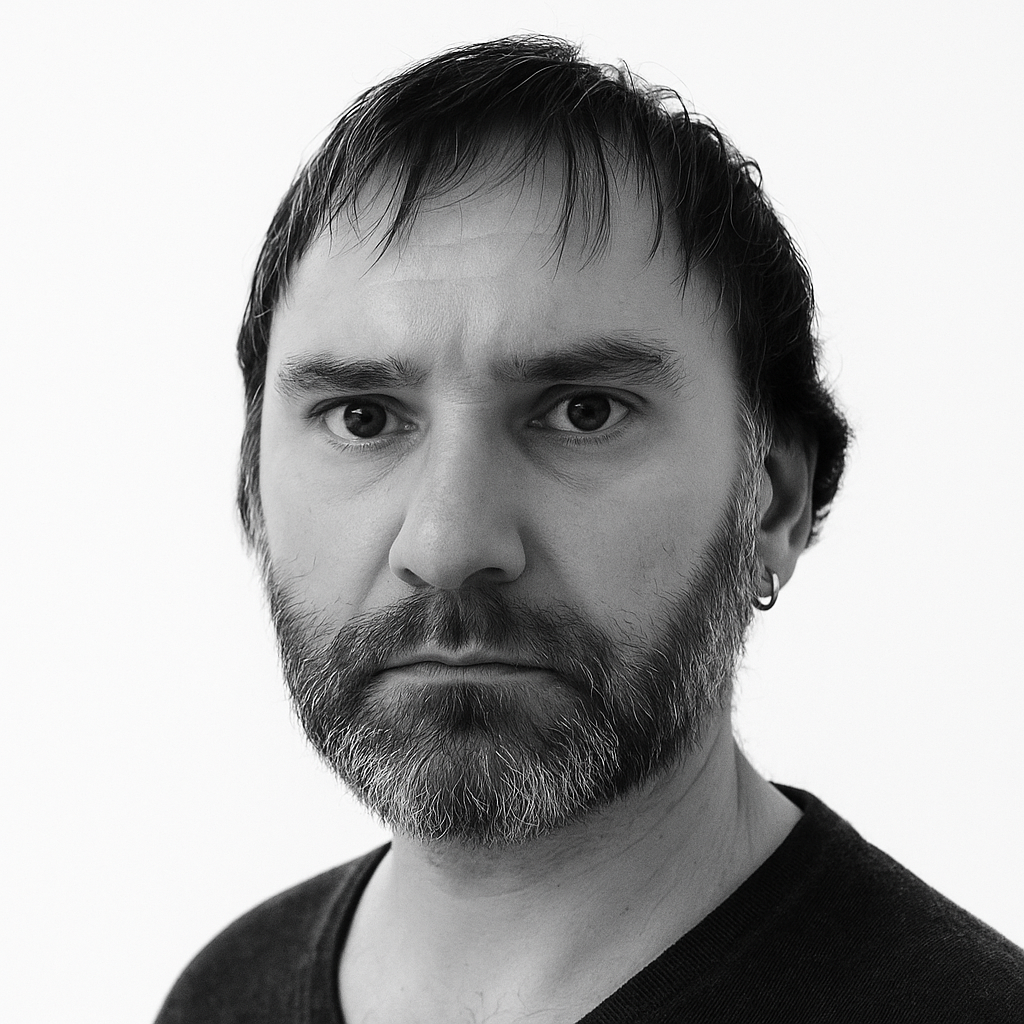
Simon J. Phillips