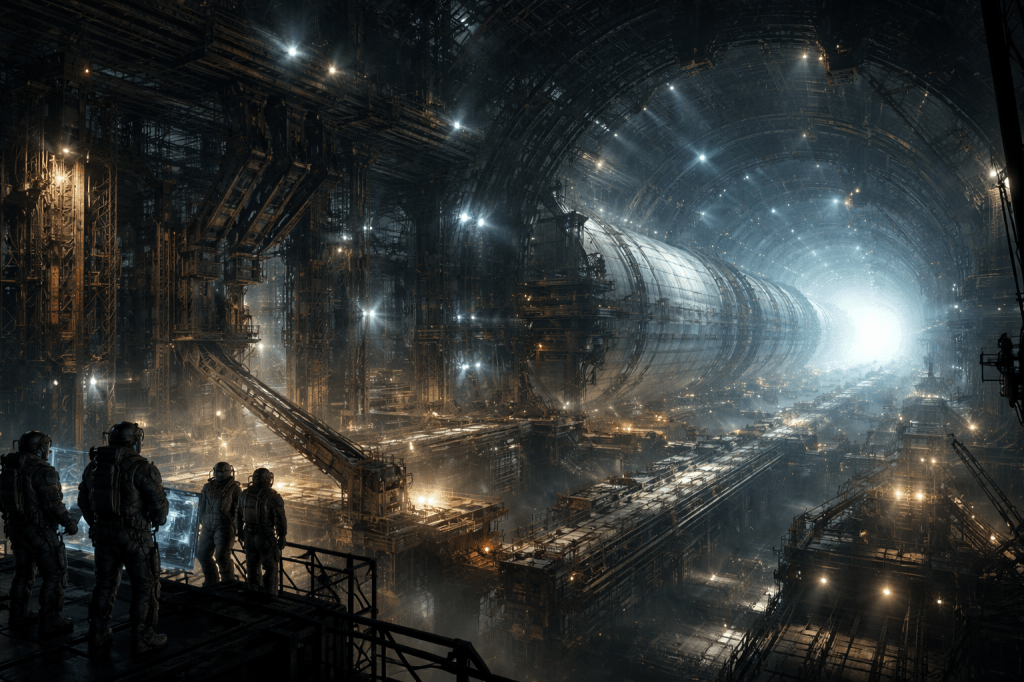
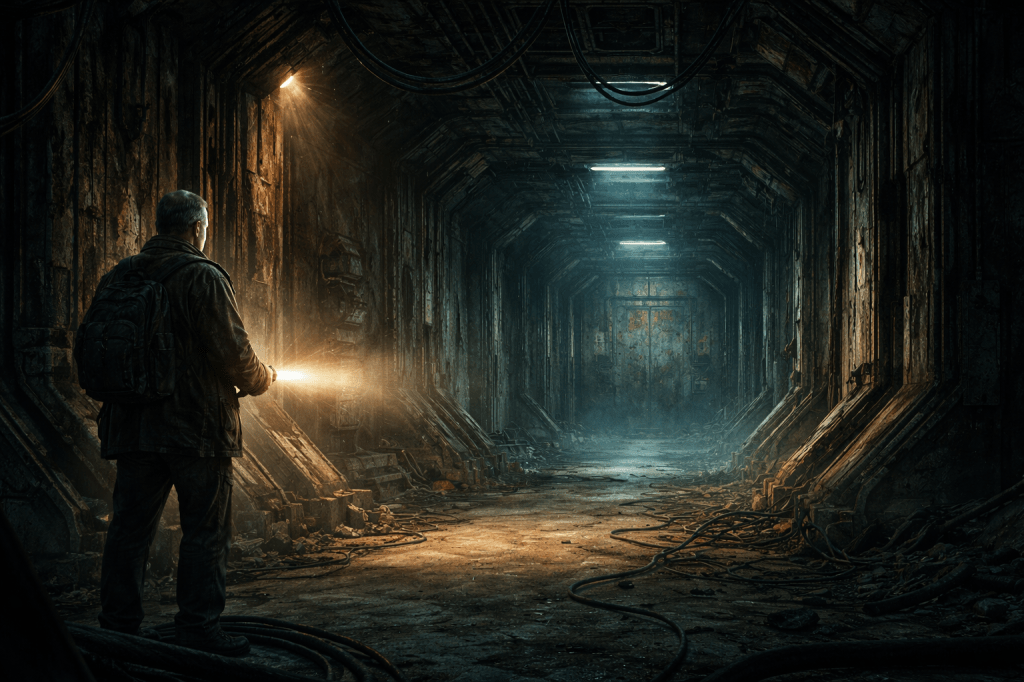
A sealed Fleet detachment arrives after the blackout and begins asking questions no one on Ashfall is meant to answer.
The Transport with No Insignia
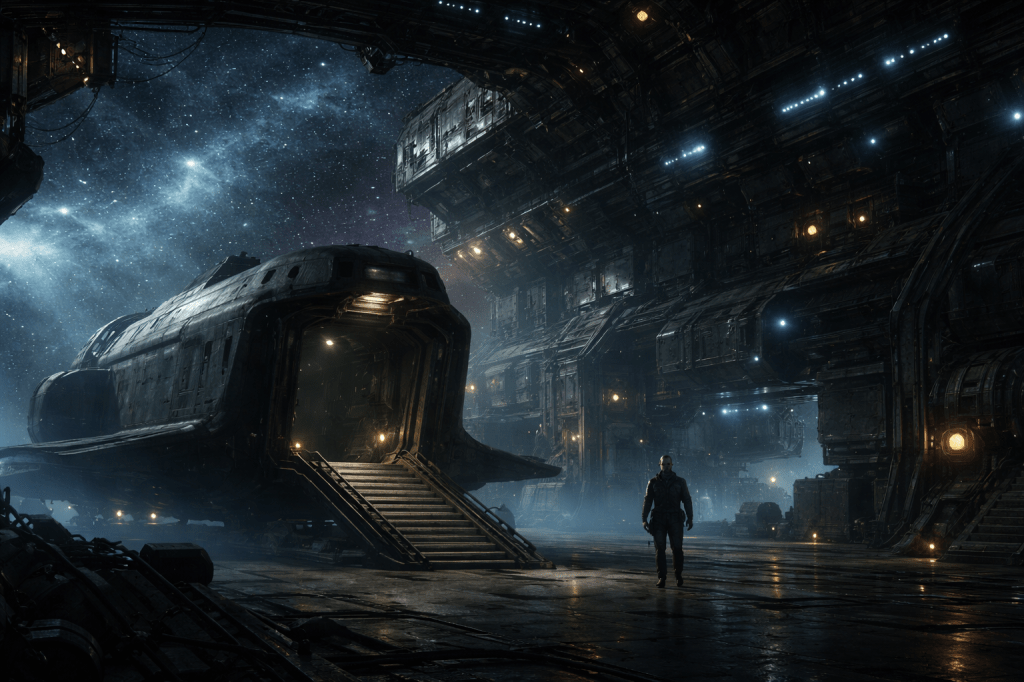
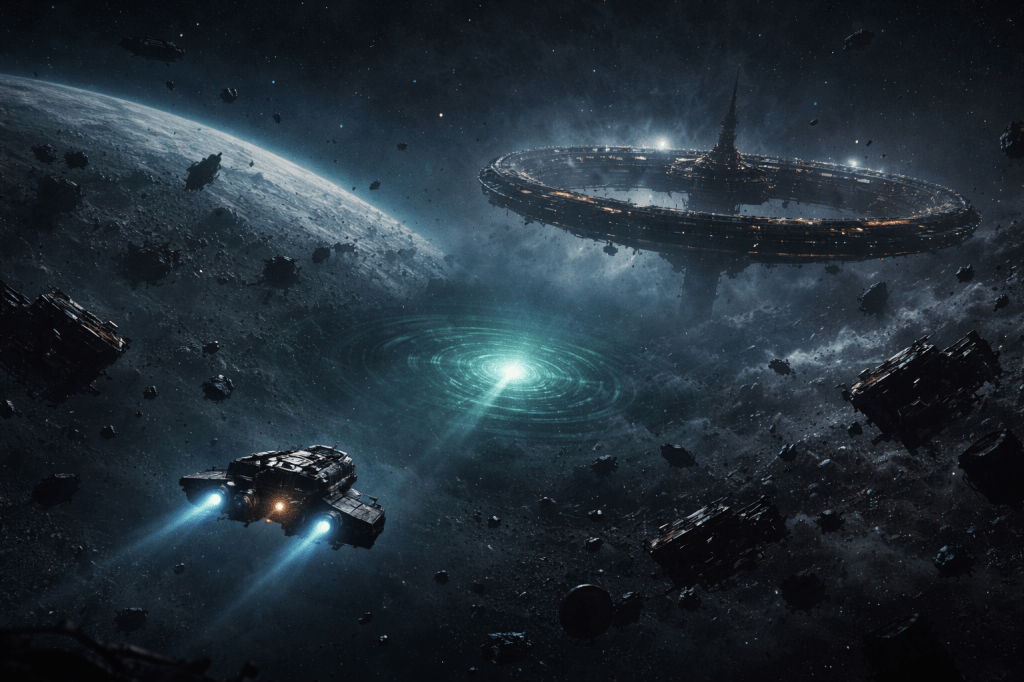
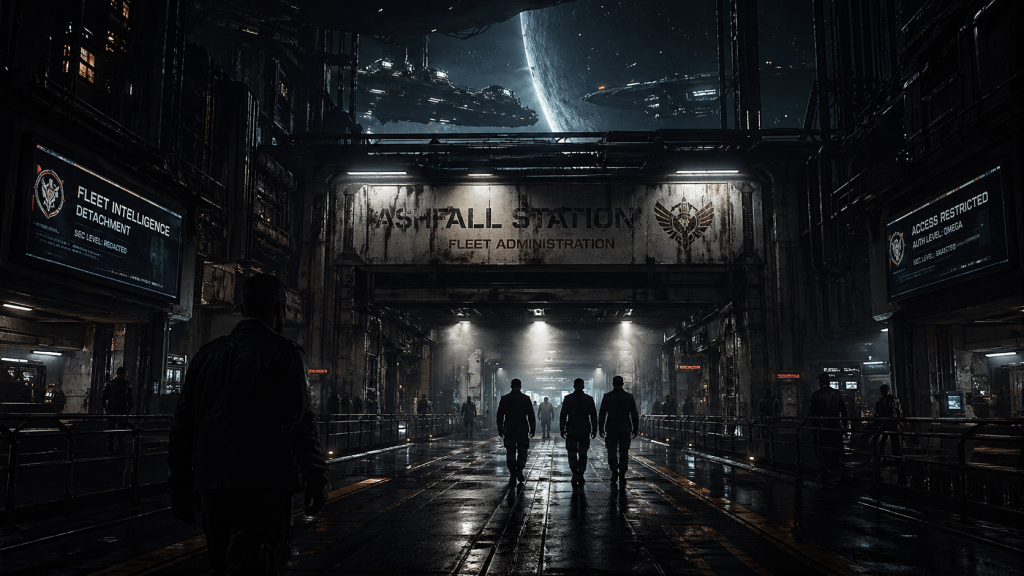
The sealed transport arrived during the first low-traffic cycle after the station-wide blackout, when Ashfall’s public lights had returned and most residents had begun the careful work of treating the darkness as another entry in maintenance history. It approached through the outer corridor with no escort visible on the traffic boards, a compact Fleet vessel with a matte hull and no divisional markings painted along its sides. Guidance beacons reflected in thin silver lines across its surface as it moved beneath the wide ribs of Dock Ring Three, where the bay lamps still carried the harsh brightness of recent repair. From the observation gallery above the docking arm, shift workers paused with coffee bulbs in hand and watched it glide into the berth reserved for command traffic, each of them silent in the way people became silent when authority arrived with its purpose concealed.
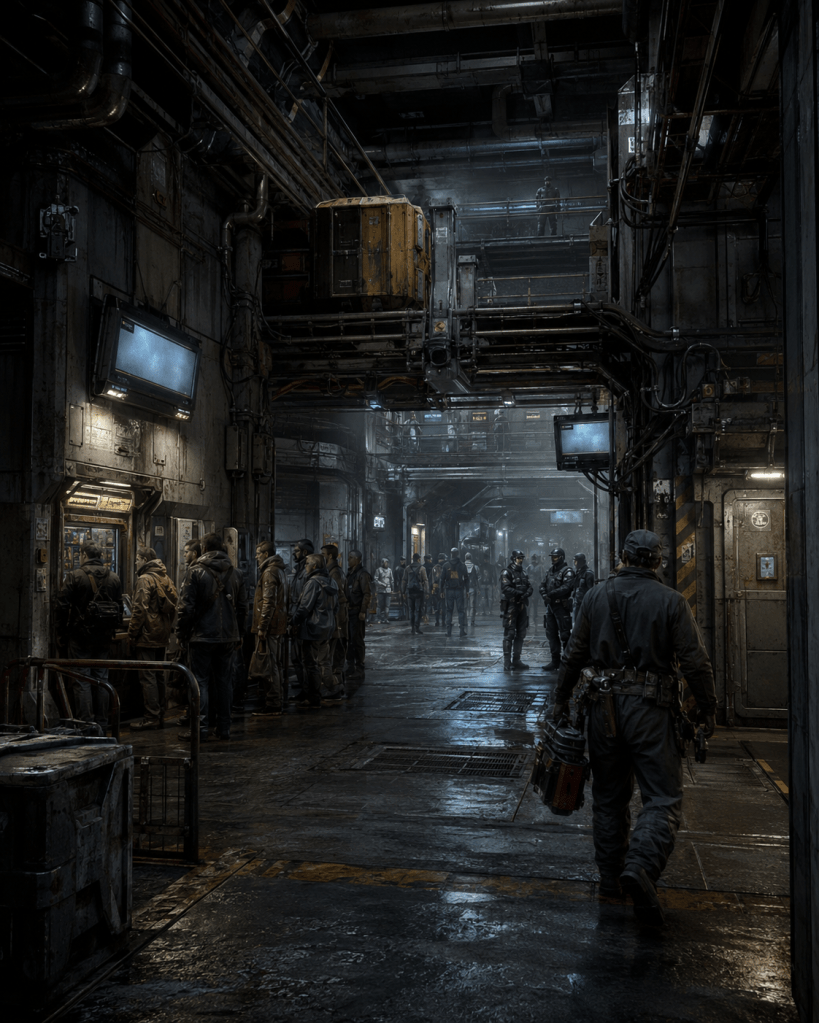
The docking clamps received the transport with a low concussion that travelled through the deck and into the gallery railings. Pressure seals engaged, amber lights changed to white, and the access bridge extended towards the vessel’s side hatch with precise mechanical patience. Around the bay, ordinary movement continued by habit. Freight loaders crossed between storage frames. A maintenance crawler rolled along the lower track with a replacement relay casing secured to its flatbed. Dock staff checked arrival boards and pretended their attention belonged to schedules, cargo weights, and clearance windows, while their eyes kept returning to the sealed vessel resting under the high industrial lamps.
Ashfall Station had seen Fleet arrivals before. Inspectors came during operational reviews. Logistics officers arrived to negotiate cargo priority. Security detachments passed through whenever the lower decks grew too restless for polite administrative language. This transport carried a different pressure. Its silence came first, then the absence of insignia, then the way local docking systems accepted its clearance before the bay controller spoke the authorisation aloud. In a station built from procedure, timing had meaning. The transport had entered Ashfall’s network before most of the dock crew knew it existed.
Senior Records Clerk Mara Venn watched the arrival from the corridor outside Bay Control, her slate held against her chest and her shift jacket zipped to the throat against the chill that had lingered in the upper rings since the blackout. She had come down to collect revised outage statements from the dock office, a routine task made heavier by the number of reports that had passed through her desk during the previous three cycles. Everyone had something to add once the lights returned. A sound in the walls. A door that opened during power loss. A relay cabinet found unlocked. A pressure fluctuation in a corridor whose systems claimed stability throughout the outage. Mara had spent two days attaching timestamps, witness names, and sector references to accounts that no department seemed eager to own.
The transport hatch opened with a soft mechanical release. Four figures stepped through the access bridge into the docking bay, dressed in dark Fleet issue without department colours. Their clothing followed standard command cut in broad outline, though the lack of visible assignment made each figure harder to place within the station’s familiar hierarchy. No weapons were openly carried, and none of them moved with the blunt intimidation of ordinary enforcement. They crossed the bridge at an unhurried pace, their attention passing over the bay with quiet assessment. Behind them came two equipment cases suspended between compact grav-sleds, sealed under black tags that displayed no cargo registry numbers.
Mara felt the workers around her draw their curiosity inward. People on Ashfall learned quickly when to stare and when to look busy, and the distinction could save a career or a ration allotment. The figures moved past the dock supervisor, who had stepped forward with a formal greeting already prepared, and accepted his words with brief nods that gave him nothing to answer. A local security officer approached, checked his wrist display, and went pale enough for the change to show beneath the white docking lamps. Within seconds, Bay Control adjusted its public arrival board. The transport vanished from the list of active vessels.
That unsettled Mara more than the ship itself. Records rarely vanished cleanly. They blurred, amended, migrated, gained restricted tags, or became inaccessible through permissions errors that left enough administrative residue for experienced clerks to follow. This entry disappeared as if the system had been instructed to forget it before anyone had committed the act of remembering. She watched the blank space on the board where the vessel designation should have remained, and the chill along her arms deepened.
The tallest of the Fleet officers turned towards the gallery level, and for an instant Mara thought his gaze had found her specifically. He was older than the others, narrow-faced, grey at the temples, with the composed expression of a man accustomed to entering rooms already adjusted in his favour. His eyes moved across the workers gathered behind the rail, then along the control windows, then towards the corridor that led deeper into the administrative spine. When he began walking, the others followed, and the dock resumed its ordinary noise around their departure with a slight delay, like machinery recovering after a missed beat.
By the time Mara returned to Central Records, the first interview summons had already appeared in the queue. Three maintenance technicians from the western support grid. Two freight workers from Dock Ring Three. One shift controller from emergency response. A lower systems engineer assigned to Substation West-Three. Each request carried a classification header Mara had only seen during fatal pressure incidents and internal corruption reviews, though the signature line belonged to no station department. She opened one file, then another, and found the same instruction repeated with exact wording. Personnel were to attend without delay. Personal copies of statements were to remain unavailable pending central review. Interview rooms were to be cleared of local recording access.
The records office around her continued its quiet work, although every clerk had noticed the new queue. Terminals glowed across the long room, each station separated by low partitions scratched from years of use. Above them, the restored lights shone too brightly, as if maintenance had overcorrected the system after the blackout and left the room exposed beneath a sterile glare. The air smelled faintly of replaced wiring and heated dust. Somewhere behind the walls, the environmental system hummed in a steady line that would have comforted her under ordinary conditions. Since the blackout, every sound inside the structure seemed to ask for interpretation.
“Mara,” Jalen from archive intake said, keeping his voice low as he approached her desk. “You have the blackout witness folder?”
She looked up. “Which copy?”
His expression gave the answer before he spoke. “The working set.”
Mara turned back to her terminal and entered the folder code. The access wheel rotated once, paused, then returned a restricted marker she had never applied. She tried the local mirror, the emergency backup, and the raw statement index gathered during the first recovery cycle. Each path returned the same result. Central review. Authority hold. No local access available.
“It was open an hour ago,” she said.
Jalen rested one hand on the edge of her partition and glanced towards the supervisor’s office, where the door remained closed and voices moved behind frosted glass. “They pulled Deck Fourteen, West-Three, Dock Ring Two, and the market gallery reports. Anything mentioning movement in the walls went with them.”
Mara kept her hands still above the terminal. “All of them?”
“All that I checked.” He paused, then lowered his voice further. “The missing survey team files are locked as well.”
She looked at him then. The survey crews belonged to a different category of unease, one that had begun outside the station and returned empty through its docking arms. Their files already carried restricted flags, though local summaries had remained available to departments responsible for operational continuity. Since those had closed as well, the investigation had reached beyond the blackout. It had begun gathering the station’s recent history into one place.
Before she could reply, the records office door opened and two of the unmarked Fleet officers entered with the calm entitlement of people who expected rooms to change around them. Conversation faded in layers. Keyboards slowed. The office supervisor emerged from behind the frosted glass with a face carefully arranged into professional cooperation. The older officer Mara had seen in the bay stood just inside the doorway while his companion carried a compact case to the central evidence terminal and set it down beside the intake scanner.
“Records access will be routed through our review team for the duration of this inquiry,” the older officer said. His voice held no threat and needed none. “Local staff will continue assigned duties. Any blackout, relay, structural deviation, or personnel absence materials requested through this office will be transferred directly to restricted archive channels.”
The supervisor nodded once. “May I ask which operational category the inquiry falls under?”
The officer regarded him for a moment with measured patience. “Infrastructure continuity.”
The phrase settled into the office with the emptiness of language chosen because it revealed nothing. Mara saw several clerks exchange quick looks before returning to their screens. Infrastructure continuity could mean power systems, dock stability, relay integrity, population control, or a dozen other things Ashfall required in order to continue appearing functional. It could hold an entire disaster inside it without bending.
A summons arrived on Mara’s terminal while the officer was still speaking. Her name appeared at the top. Interview Room C. Immediate attendance. Associated materials: blackout witness intake, external relay loss records, Deck Twelve structural closure references. She read the line twice, aware of Jalen still standing near her partition and the Fleet officer’s voice continuing somewhere beyond the sudden narrowing of the room.
She rose with her slate in hand, though the summons required no documents and gave no reason. The corridor outside Central Records seemed longer than usual, its restored lights bright against walls still marked by the emergency crews who had passed through during the blackout. At the far end, two security staff stood beside the interview wing with their eyes forward and their hands clasped behind their backs. They were local personnel, wearing local colours, yet they had the stillness of people temporarily serving a different power.
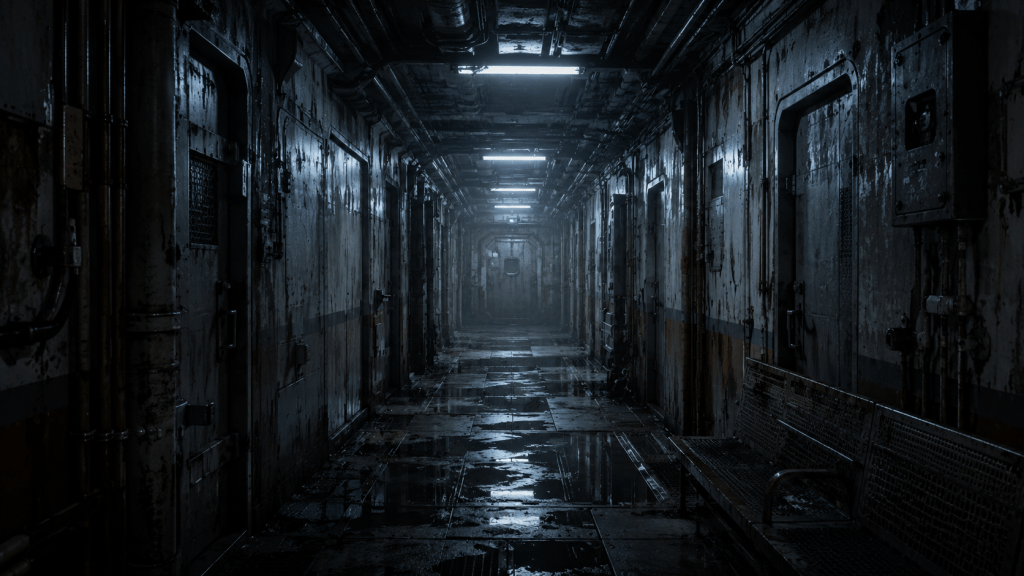
Interview Room C had once been used for internal staffing disputes and minor access violations. Mara had processed enough files from inside it to know the shape of the room before she entered. A table fixed to the floor. Three chairs. A wall terminal with local recording capacity. A ceiling lamp too harsh for long conversation. When the door slid open, the first thing she noticed was that the terminal had been removed from its mounting, leaving an empty bracket and a bundled line of disconnected cable hanging neatly beneath it.
The older Fleet officer sat on the far side of the table with a blank slate resting before him. He gestured to the chair opposite without introducing himself. Mara sat, placed her hands around her own slate, and waited for the room to define the rules. Through the wall, faint station noise travelled in softened layers: footsteps in the corridor, a distant lift, the low circulation of air through ducts still recovering from recent repair.
“You processed witness reports from the blackout recovery cycle,” he said.
“Yes.”
“You handled accounts describing movement within sealed or inaccessible structural spaces.”
“I handled accounts submitted through maintenance, security, dock operations, market control, and habitation response.”
He watched her for a moment. “That was broader than my question.”
“It was broader than one department,” she replied, and heard the caution in her own voice arrive a fraction too late.
The officer looked down at his slate, though she doubted he needed to read from it. “Several reports refer to sound travelling through walls before or during local power loss. In your review, did these accounts share language, source sectors, or timing patterns that suggested coordination between witnesses?”
Mara thought of the statements as they had first arrived, rough with fear, frustration, embarrassment, and anger. Freight workers who had laughed at themselves halfway through describing a sound that climbed through a wall. A market vendor who insisted the floor moved under her stall. A substation engineer who recorded pulse traffic through dead lines and then tried to retract the word dead from her own report. The accounts had reached her through separate channels, from separate shifts, with separate kinds of fear pressed between the lines. That was what made the pattern harder to dismiss.
“No,” she said. “They came from separate sectors and different reporting channels.”
“Yet you associated them during intake.”
“The timestamps overlapped. The descriptions matched in ways the reporters had no opportunity to compare.”
He made no visible note. “You also accessed relay loss records during blackout review.”
“The outer network closure affected several departments. Cross-reference was required.”
“Required by whom?”
Mara held his gaze and felt, with sudden clarity, how narrow the safe answers had become. “By the work.”
For the first time, the officer’s expression shifted, though only slightly. Beyond the interview room wall, the station gave a faint tremor as some distant system changed load. Mara felt it through the chair and the soles of her boots. Both of them remained silent until it passed.
When the officer spoke again, his voice had softened without becoming kinder. “During your review, did you encounter any reference linking the blackout to the sealed Deck Twelve corridor, the expansion junction irregularities, or the missing survey personnel?”
There it was. The shape beneath the questions. Mara had expected the blackout. She had expected the wall sounds and perhaps the relay closures. She had expected Fleet to gather the recent damage into a clean administrative category. She had expected, because expectation was how clerks survived, that the inquiry would pretend each incident belonged to its own file. Instead the officer had named the hidden chain aloud inside a room stripped of local recording.
She answered carefully. “I saw reports from separate departments. Some involved old structures. Some involved relay systems. Some involved power irregularities.”
“That avoids the question.”
“It preserves the record.”
He leaned back slightly. The ceiling light sharpened the lines of his face and left his eyes darker beneath his brow. “The record is precisely what we are discussing.”
Mara felt the room contract around the sentence. Somewhere outside, Ashfall continued its ordinary performance of recovery. Freight resumed along repaired lanes. Markets reopened under restored lamps. Workers returned to corridors where they had heard things moving beyond the walls. Files closed, reopened, shifted, vanished, and returned with pieces missing. The station breathed around all of it, wounded and vast, while those with authority moved through its records as though searching for a truth they had already decided ordinary people could never hold.
The officer lowered his gaze to the blank slate between them. “Begin with the first statement you remember that described movement inside the station before the lights failed.”
Mara looked at the dead wall bracket where the local recorder had been removed, then back at the man across the table. The station hummed through the floor beneath her, steady now, almost reassuring, except that she had read too many reports to mistake steadiness for safety.
She began to speak, and outside the interview room the quiet investigation settled deeper into Ashfall Station, drawing its questions through the corridors like a net pulled slowly through dark water.
Station Record: Fleet Intelligence Review; Post-Blackout Inquiry Log
Ashfall Station entered a controlled recovery phase following the multi-ring blackout that affected public galleries, freight sectors, maintenance corridors, and lower support systems across several parts of the installation. Emergency reserves restored partial function during the initial outage window, after which engineering departments began replacing damaged relays, reviewing substation response data, and stabilising power distribution across the major rings. Public communications described the event as a legacy-grid disruption intensified by ageing infrastructure, while internal maintenance logs retained broader references to structural movement, pulse-like electrical drift, and unexplained activity within sealed sections of the station.
Within the first recovery cycles, station departments submitted a large volume of witness statements concerning the blackout and its surrounding conditions. Reports originated from maintenance crews, dock workers, freight personnel, habitation staff, emergency controllers, and lower-deck engineers. Although descriptions varied according to location and role, many accounts referred to metallic movement within walls, floors, overhead trunks, or sealed service runs during periods of lighting failure. Several witnesses also described directional motion, with sounds passing ahead of them through hidden structural spaces before fading deeper into the station.
Initial local review treated these statements as supplemental material attached to the blackout investigation. Engineering teams compared witness reports against relay failure maps, emergency lighting recovery sequences, and recorded load redistribution through substations tied to the older support grid. Several points of overlap appeared between sectors where unusual movement had been reported and junctions where pulse irregularities entered the modern grid through infrastructure listed as inactive, obsolete, or absent from current operational schematics.
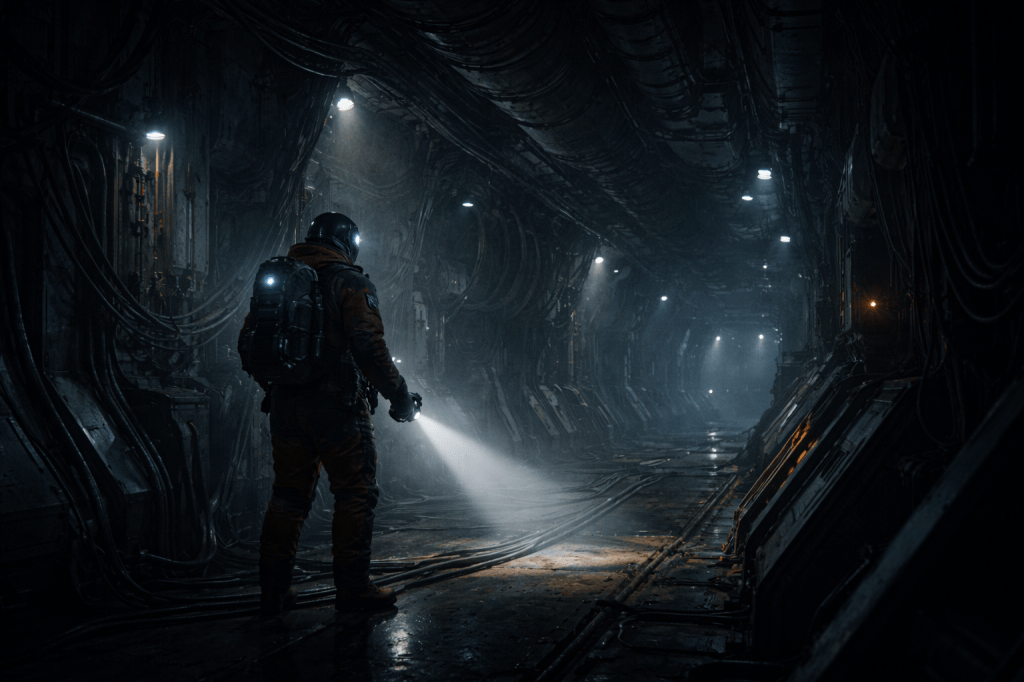
During this period, access to multiple record sets changed without public notice. Maintenance statements concerning Deck Fourteen, Substation West-Three, Dock Ring Two, and the western support corridors were placed under central review. Local copies of several witness files became unavailable through ordinary departmental channels. Outage maps containing references to buried electrical routes were withdrawn from shared engineering systems, then returned in shortened form with restricted sections removed from staff visibility.
A sealed Fleet transport arrived at Dock Ring Three shortly after these changes began. Station arrival boards displayed no public vessel designation following docking completion, though internal traffic systems recorded temporary command-priority clearance within the bay during the relevant cycle. Personnel observed a small intelligence detachment entering the station under sealed authority and moving directly into administrative, records, security, and engineering review areas. The detachment wore unmarked Fleet issue and carried equipment cases registered through authority tags unavailable to local cargo or evidence systems.
Following arrival, interview summons were issued to selected station personnel connected to the blackout response. These included lighting-grid technicians, emergency controllers, substation engineers, dock staff, freight workers, records clerks, and personnel assigned to departments that had submitted reports of structural sound or unexplained access changes during the outage. Interview rooms used for the inquiry were removed from local recording access, and personal copies of statements were withheld pending central review.
Questions asked during these interviews extended beyond the blackout itself. Archived testimony indicates that Fleet officers requested information concerning earlier incidents across Ashfall Station’s recent operational history, including the loss of survey crews within the outer relay network, closure of affected relay sectors, structural deviations encountered during the Expansion Project, the sealed Deck Twelve corridor, and repeated reports of electrical disturbances within older service zones. This wider scope suggests that the blackout was being examined as part of a longer pattern rather than as a single infrastructure failure.
Records staff later noted that several files connected to these incidents shifted authority status during the inquiry window. Access logs tied to Deck Twelve structural discovery, relay return anomalies, and expansion junction surveys were moved into restricted channels. Some entries remained visible at index level while their contents became unavailable. Other records returned with reduced detail, altered routing references, or classification markers indicating central archive custody.
The inquiry produced no public conclusion. Station communications continued to describe the blackout as a managed infrastructure event associated with legacy grid complexity and recovery demand. Freight operations resumed in stages, market galleries reopened, and public lighting returned across the major habitation routes. Even so, additional security presence appeared in older support corridors after shift change, and several lower-deck access points remained under temporary restriction throughout the following cycles.
Personnel interviewed during this period were given no shared explanation for the questions asked or the materials removed from local review. Many returned to duty with instructions to preserve operational discipline and avoid unauthorised speculation concerning station infrastructure, relay losses, or restricted structural zones. Informal accounts from the same period indicate that workers across multiple sectors became increasingly cautious when discussing the blackout, especially in areas where public terminals or Fleet monitoring units remained active.
By the time the detachment departed Ashfall Station, the official archive contained only a narrow procedural record of their visit. The transport’s arrival and departure remained absent from public station traffic summaries, and the inquiry itself appeared under a limited classification heading concerned with infrastructure continuity. No formal finding was attached to the accessible blackout report for that cycle.
Later archive review would identify the visit as a significant moment in Ashfall’s pre-incident history. It gathered multiple irregularities under a single restricted inquiry and placed earlier events into connection with one another inside Fleet-controlled records. For the ordinary crews of the station, the visit left behind no explanation. It left only altered files, unanswered questions, and a deeper quiet around the sections of Ashfall that had already begun to move beyond the reach of routine repair.
About the Creator
The Future Chronicle is written and curated by Simon Phillips, a writer of science fiction and speculative storytelling who explores the quiet edges of human expansion, where ageing stations, distant worlds, and forgotten technologies continue their slow existence beyond the reach of the central worlds.
Many of the stories presented in these Chronicles exist within a wider fictional universe that follows the lives of investigators, engineers, and frontier workers living far from the comfort of the inner systems, where the machinery of civilisation continues to function long after its original purpose has begun to fade.
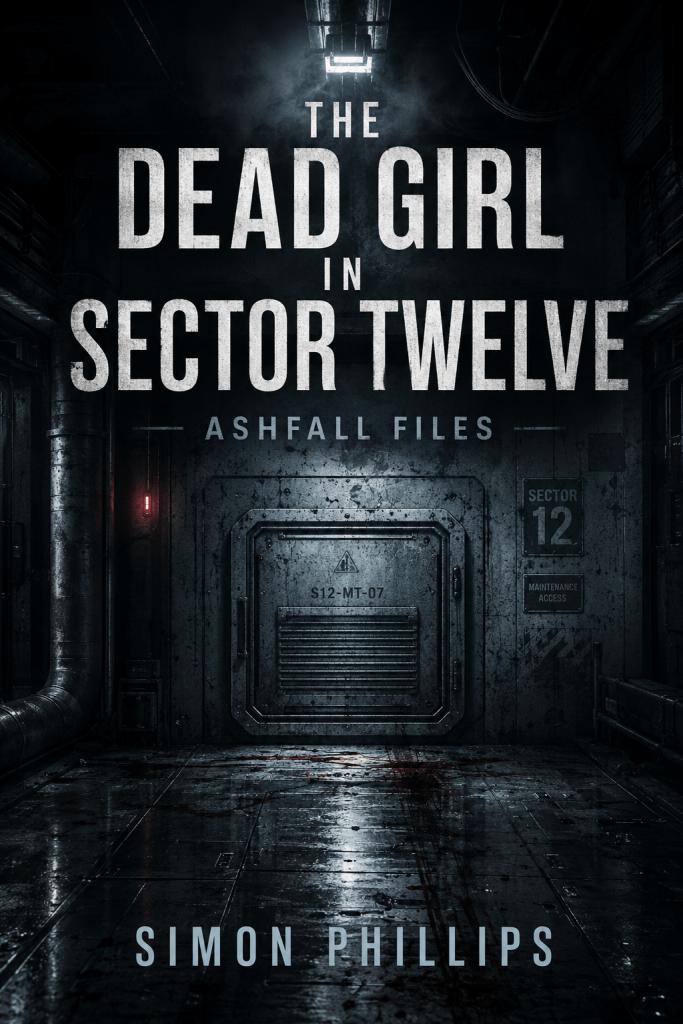
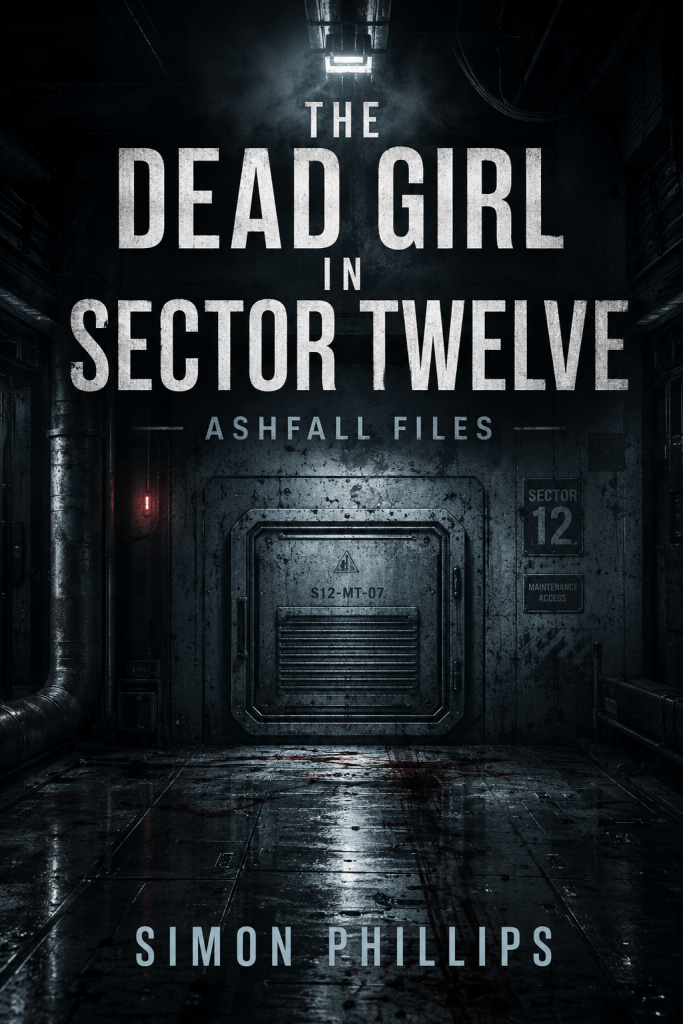
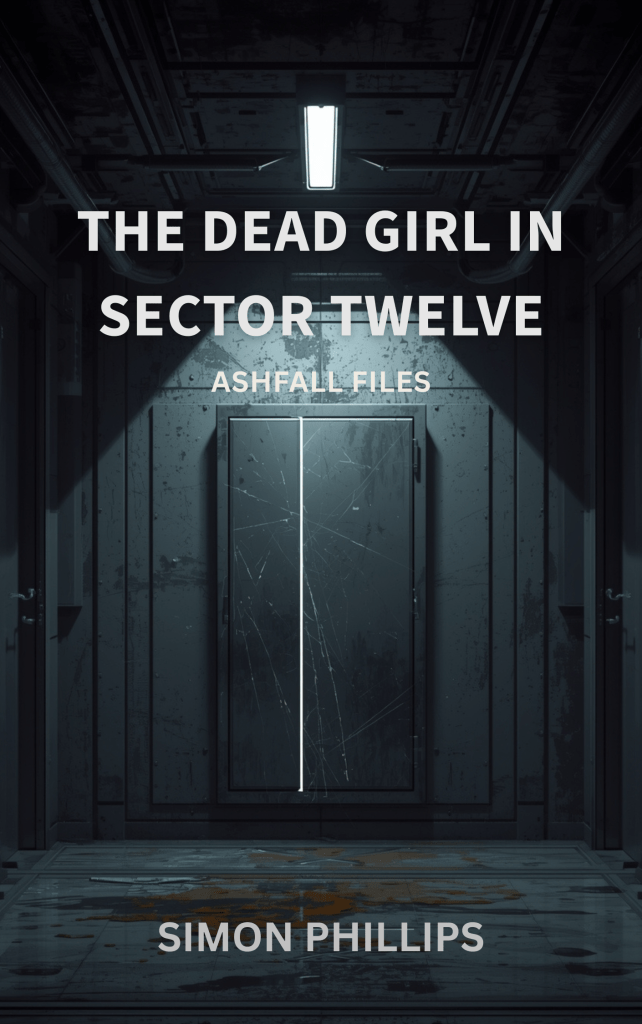
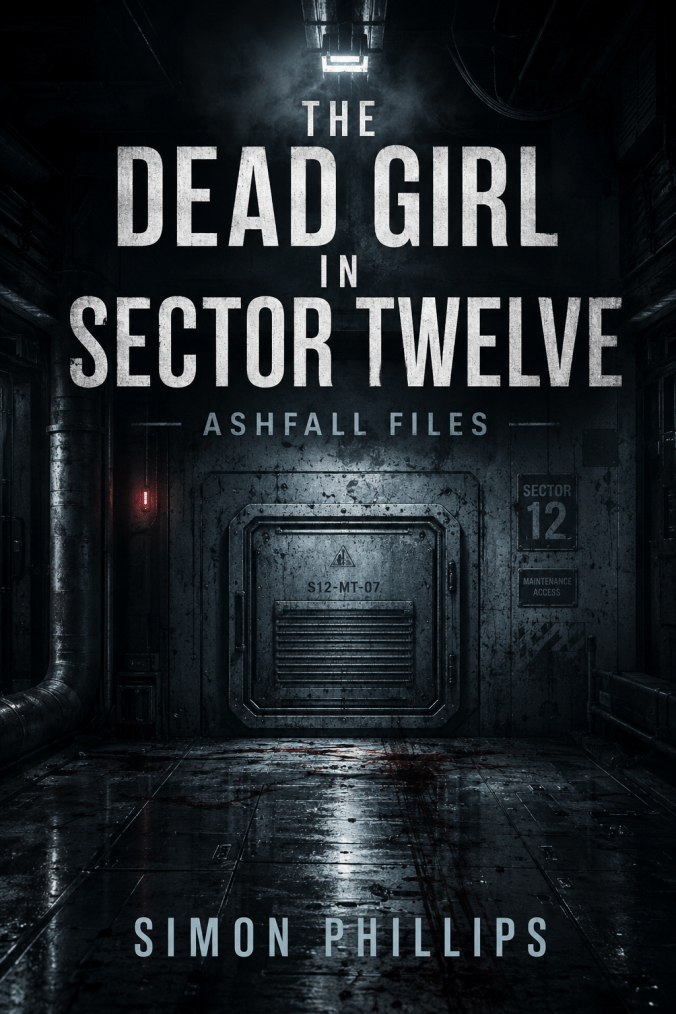
One such story unfolds aboard Ashfall Station, an ageing orbital installation whose corridors and industrial sectors form the setting for the science-fiction mystery novella Ashfall Station: The Dead Girl in Sector Twelve. What begins as a routine investigation gradually reveals that something hidden within the station’s structure may have been present for far longer than the official records suggest.
Readers who wish to explore the full investigation and its unfolding events can find the novella below.
Explore the book:
Ashfall Station: The Dead Girl in Sector Twelve
You can watch his YouTube channel here:
Author Simon Phillips
Continuing the Chronicle
The following Chronicle continues the reconstruction of the restricted Fleet inquiry that followed Ashfall Station’s multi-ring blackout, when a sealed intelligence detachment arrived without public notice and began gathering testimony from personnel across the station.
At first, the investigation appeared to concern the outage alone. Emergency recovery records, lighting-grid reports, and substation logs formed the visible centre of the review. Yet the questions asked in interview rooms soon reached beyond the blackout itself. Witnesses were asked about missing survey crews, relay sector closures, the sealed corridor on Deck Twelve, irregularities recorded during the Expansion Project, and the metallic movement heard inside the station’s buried structure before the lights failed.
Later review placed this inquiry among the final moments before Ashfall’s scattered irregularities were drawn together inside Fleet-controlled records. What the officers discovered was never released through public channels. For those called into the rooms, the experience left behind only the sense that the station had been measured against a truth its ordinary crews were never meant to understand.
Readers supporting The Future Chronicle can continue the record below.

Subscribe to continue reading
Subscribe to get access to the rest of this post and other subscriber-only content.