Immersive narrative history for readers who want to step inside the past, not simply read about it.
The Forgotten Chronicle is Simon J. Phillips’s historical Chronicle branch: a growing archive of story-led history, forgotten events, lost places, Viking raids, Anglo-Saxon kingdoms, archaeology, myth, folklore, and turning points that shaped the world quietly before anyone understood their full meaning.
Each Chronicle begins with atmosphere. A shore before the ships arrive. A hall before the doors are broken. A monastery before the first warning reaches the gate. From there, the story opens into the wider historical record.
History Told as a Story You Can Step Inside
The Forgotten Chronicle is not a textbook, a list of facts, or a quick summary of famous events. It is narrative history written with atmosphere, memory, and historical weight.
Each entry begins inside a moment. The reader is placed near the sound of oars on dark water, the silence of an abandoned road, the fear inside a threatened town, or the unease before a kingdom changes forever. Only after the scene has taken shape does the wider meaning come into view.
The aim is simple: to make history feel lived again.
Some Chronicles stand alone. Others form longer historical arcs, usually built as ten-part sequences, allowing a reader to follow an age, a conflict, a kingdom, or a cultural shift from its first signs to its lasting echo.
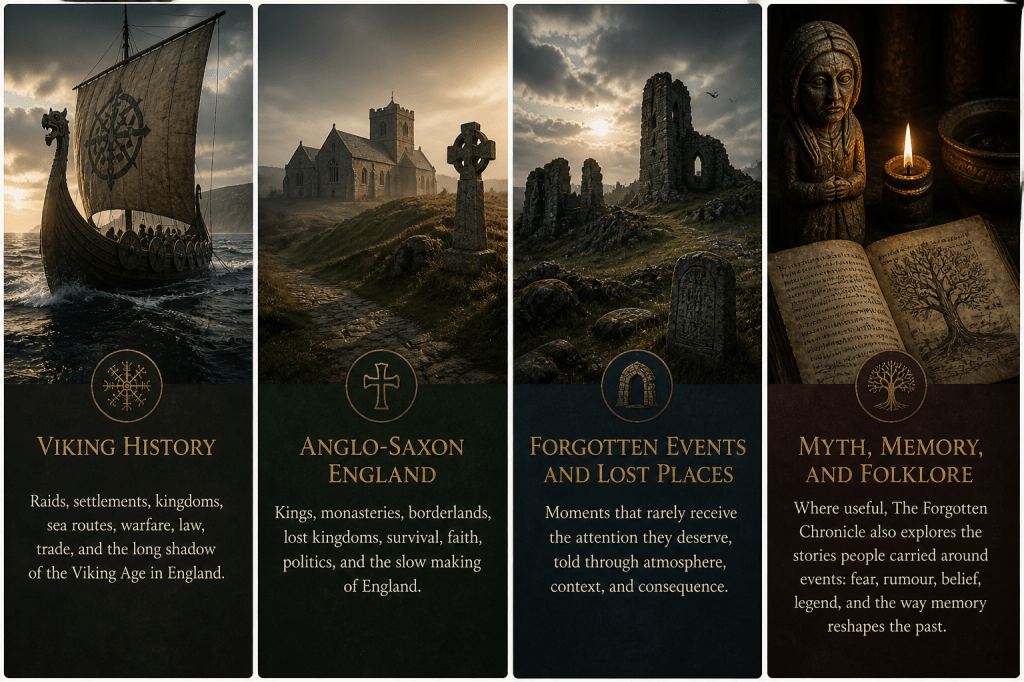
How Each Chronicle Is Read
Each Chronicle usually opens with a free atmospheric section. This gives new readers a complete sense of the place, tone, and historical moment.
The continuation may sit inside the paid WordPress archive, where the Chronicle moves deeper into the event, its context, and its lasting meaning.
This structure allows the page to remain open and discoverable while also building a serious historical reading archive for paid readers.
Current Historical Arc
The Viking Age in England
The first major arc of The Forgotten Chronicle follows the Viking Age in England: not as a simple chain of raids and battles, but as a long historical pressure that changed monasteries, towns, kingdoms, language, trade, law, and memory.
Next Arc: Anglo-Saxon England
A deeper movement into the kingdoms, faith, politics, rivalries, and fragile foundations that shaped England before, during, and after the Viking Age.
Latest from The Forgotten Chronicle
Read the latest entries from the historical Chronicle archive below.
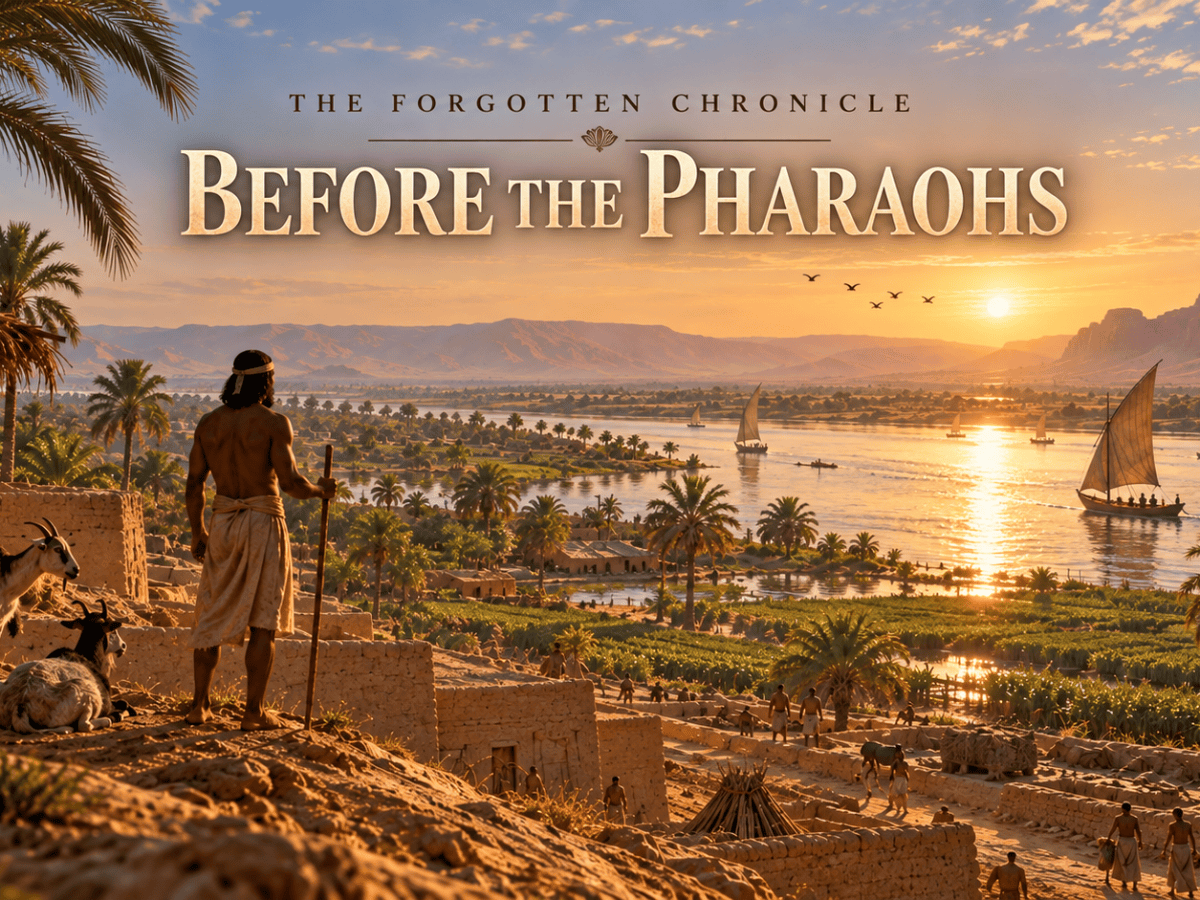
The Forgotten Chronicle: Before the Pharaohs
Before the pharaohs, the Nile was already shaping a world of farming villages, busy trading routes and growing rivalries.
In *Before the Pharaohs*, a potter and his sister set out along the river, where an ordinary journey reveals the first signs of a changing world. Long before Egypt became a unified kingdom, the foundations of…
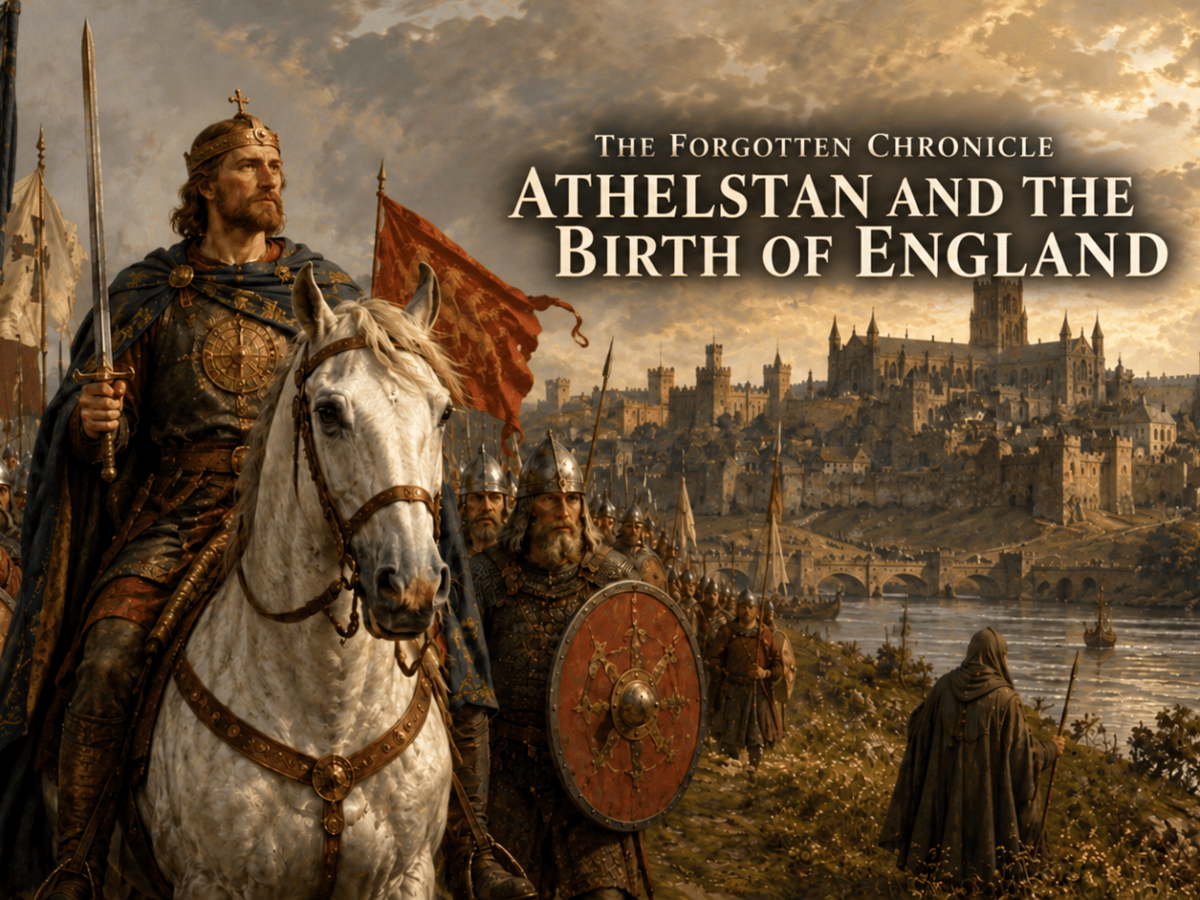
The Forgotten Chronicle: Athelstan and the Birth of England
York was the final great barrier between Athelstan and a realm united beneath one crown. In 927, the city fell. Entering its gates was only the beginning. The new king still faced uncertain loyalties, northern rivals and the struggle to turn conquest into a kingdom capable of enduring. Athelstan and the Birth of England follows…
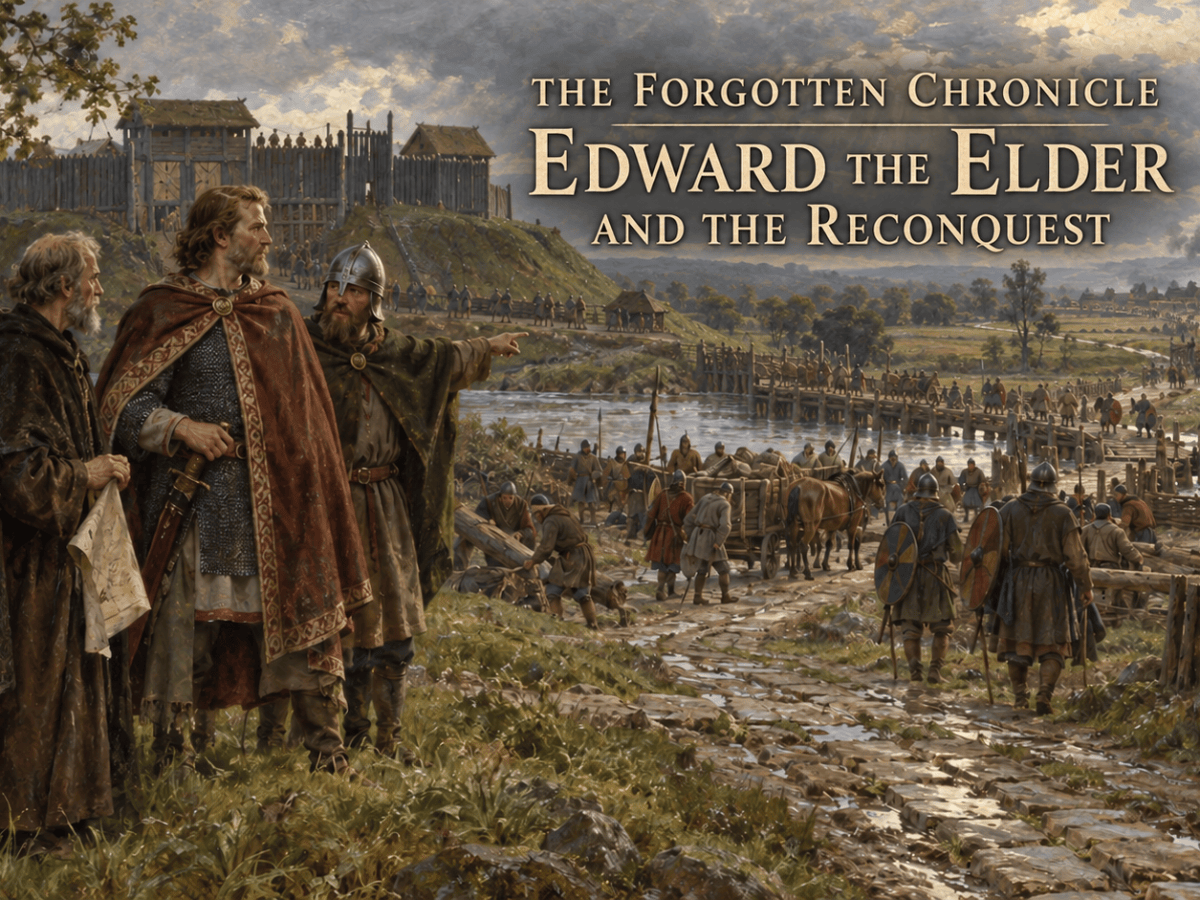
The Forgotten Chronicle: Edward the Elder and the Reconquest
Alfred saved Wessex. His son had to discover how far its recovery could reach.
Edward the Elder advanced through fortified towns, guarded rivers and coordinated campaigns with Æthelflæd, steadily breaking Viking power across the Danelaw. His victories rarely produced a single legendary moment—yet they transformed the political map inherited by his son.
Edward the Elder…
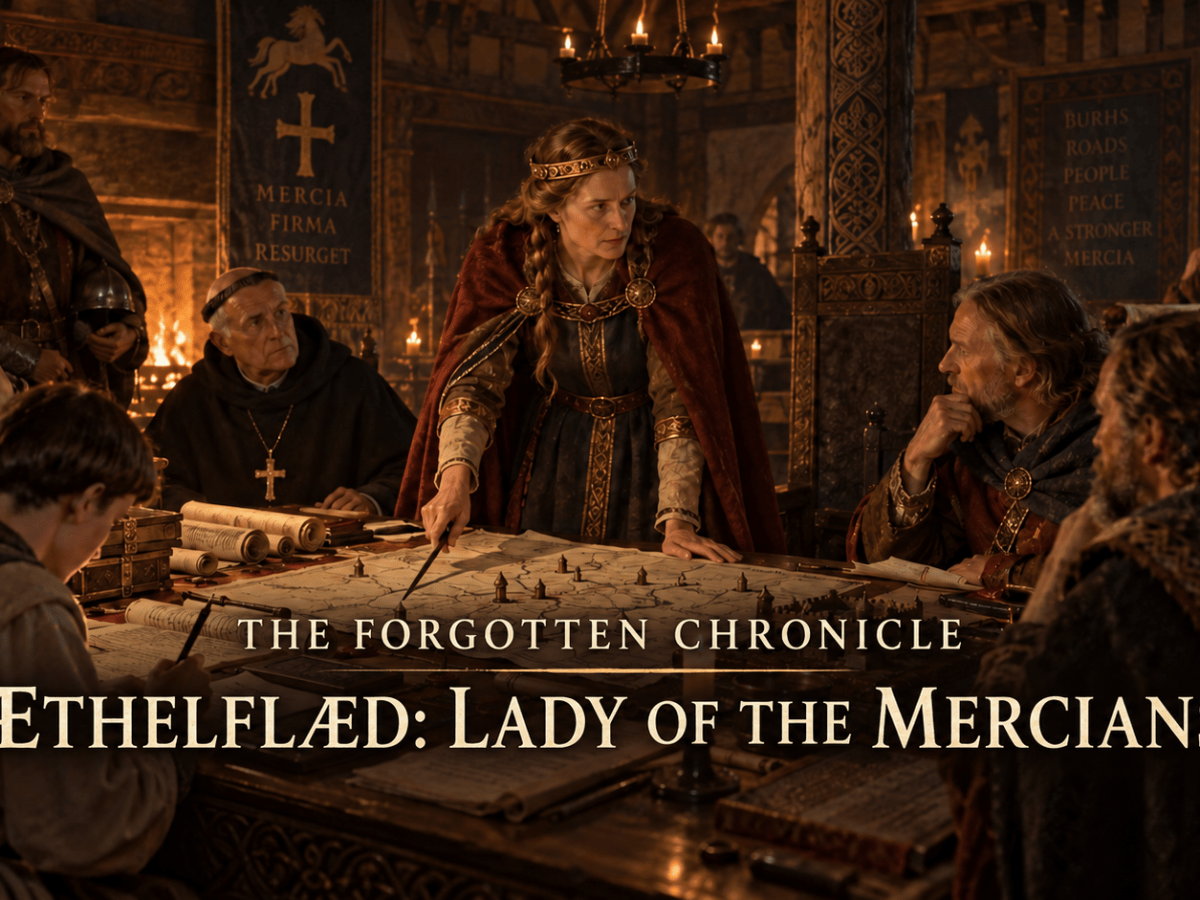
The Forgotten Chronicle: Æthelflæd: Lady of the Mercians
Alfred’s daughter inherited no crown, yet Mercia accepted her authority.
Through fortified towns, guarded roads and campaigns against Viking strongholds, Æthelflæd turned a wounded kingdom into a force of recovery. Her victories helped open the road towards England, even as Mercia’s independence approached its end.
Read Æthelflæd: Lady of the Mercians.
#Aethelflaed #LadyOfTheMercians #Mercia #AngloSaxonHistory…
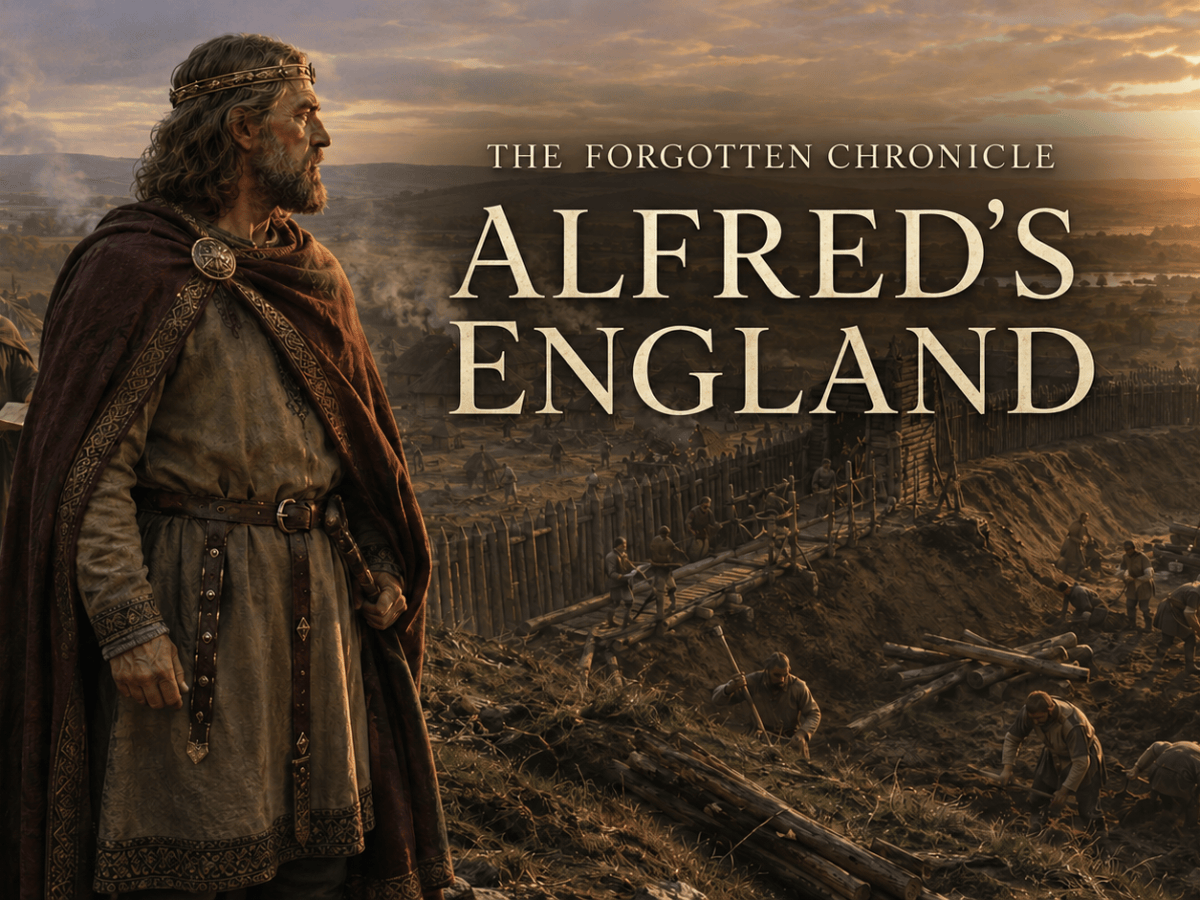
The Forgotten Chronicle: Alfred’s England
Alfred had survived the marshes and defeated Guthrum at Edington. Now came the harder task: rebuilding a kingdom that could survive the next invasion.
Alfred’s England follows the fortified towns, laws, learning, ships and organised defences through which Alfred transformed Wessex from a wounded realm into the foundation of a wider English future.
Read the…
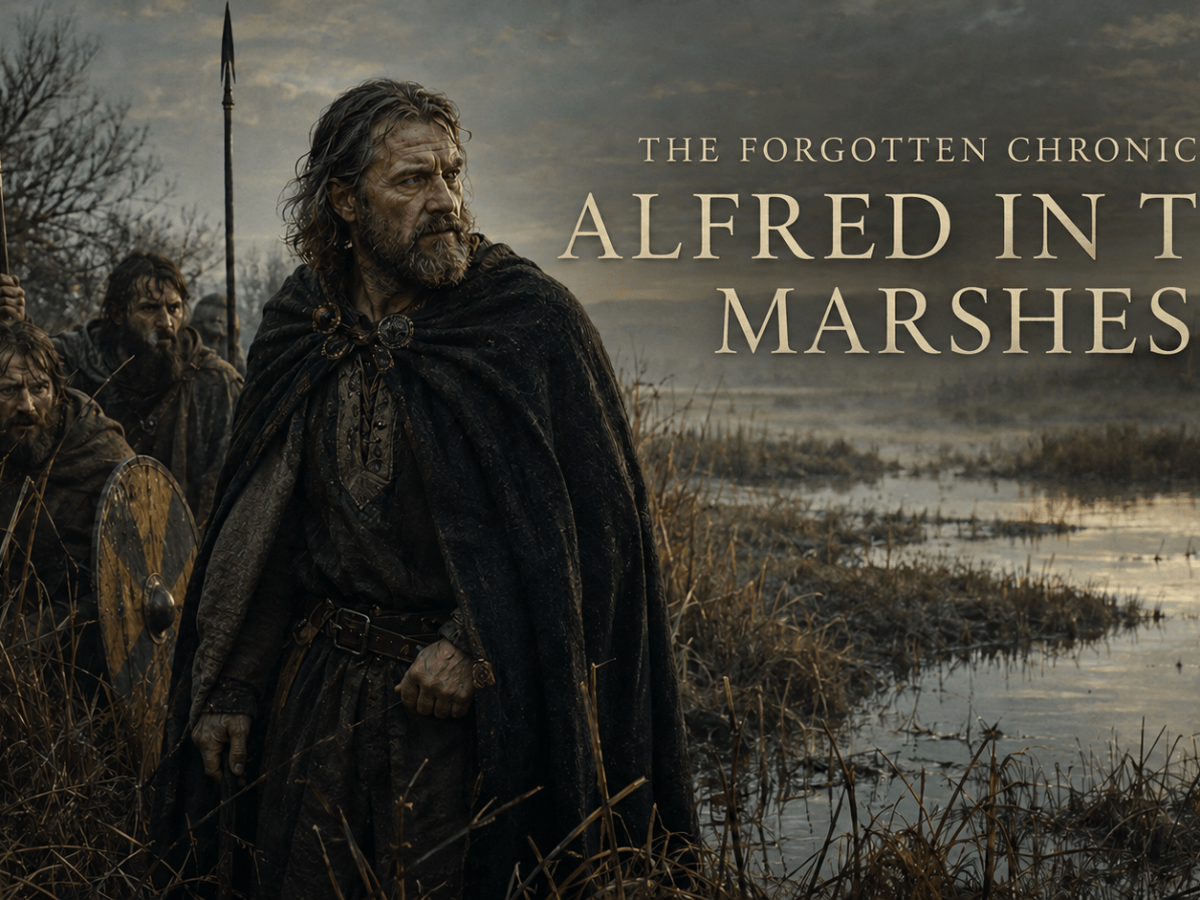
The Forgotten Chronicle: Alfred in the Marshes
In January 878, Guthrum struck at Chippenham and drove Alfred from the heart of Wessex. His followers scattered, royal authority faltered, and the kingdom came close to disappearing.
Alfred in the Marshes enters the hidden refuge of Athelney, where a fugitive king gathered loyal men among reeds, mist and winter water, preserving the resistance that…
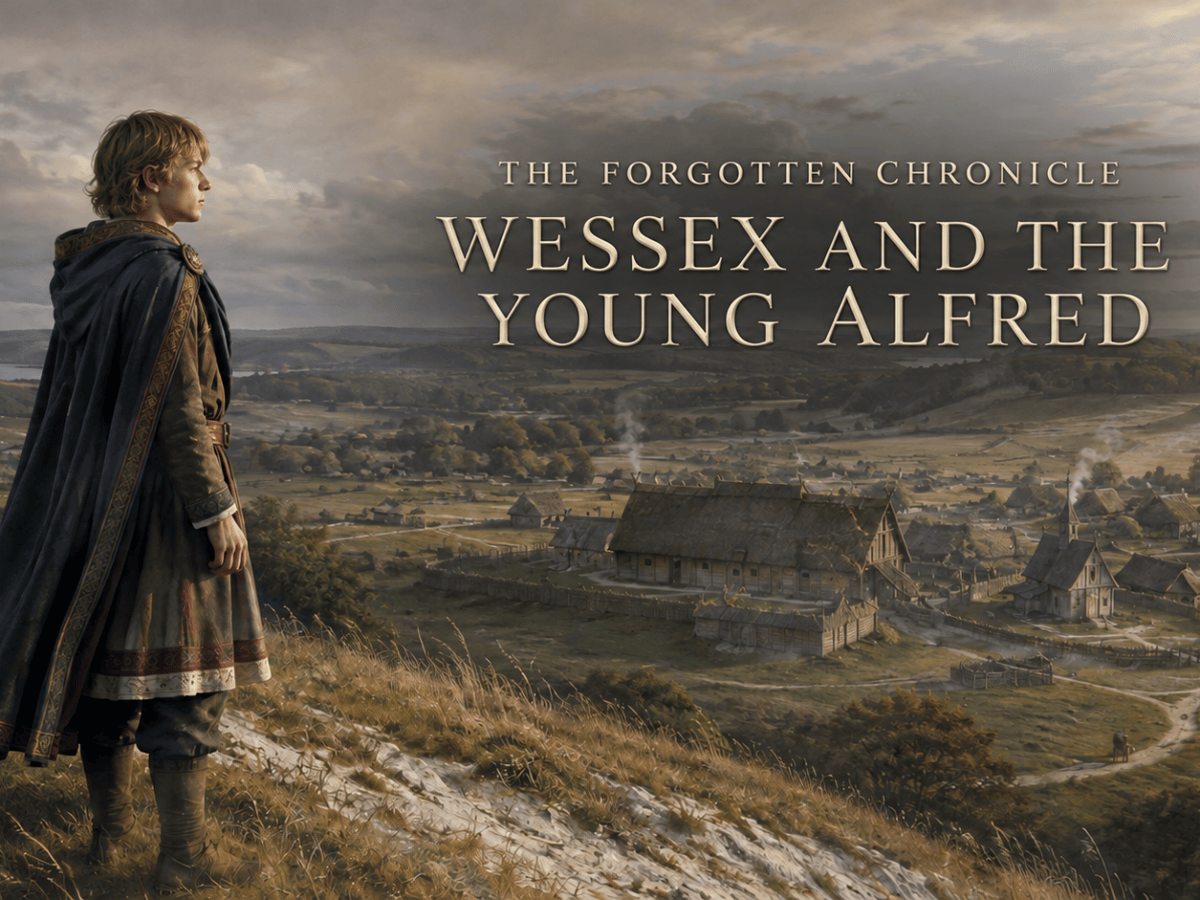
The Forgotten Chronicle: Wessex and the Young Alfred
Before the marshes, the battles and the name Alfred the Great, he was the youngest son of a king, growing up far from the crown.
Wessex shaped him through faith, family tension, illness, learning and gathering rumours of Viking conquest. As neighbouring kingdoms fell, the young prince moved closer to a future no one had…
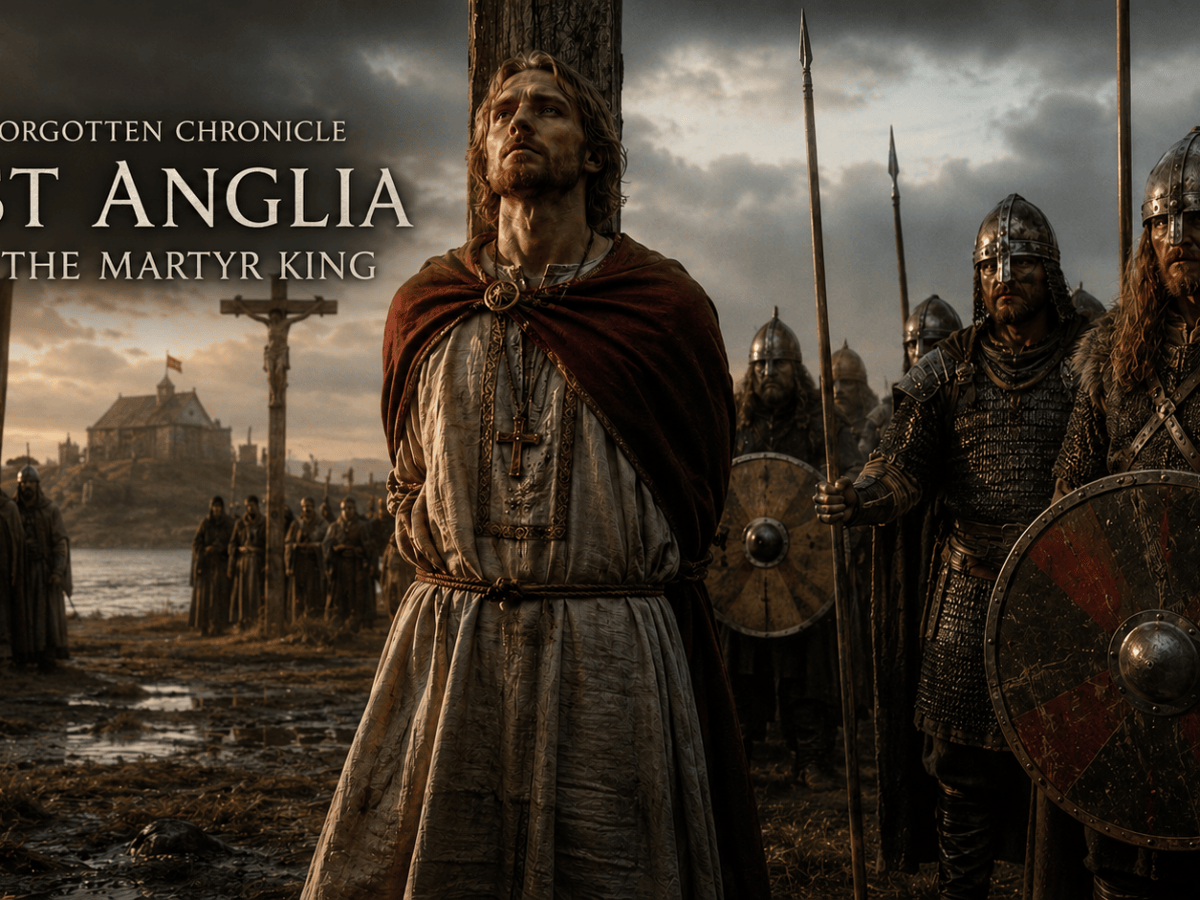
The Forgotten Chronicle: East Anglia and the Martyr King
East Anglia had already given the Great Heathen Army shelter and horses. When the Vikings returned, they came as conquerors. King Edmund was killed, his kingdom fell, and his death began its passage from battlefield loss into sacred memory.
East Anglia and the Martyr King explores how a defeated ruler became one of Anglo-Saxon England’s…
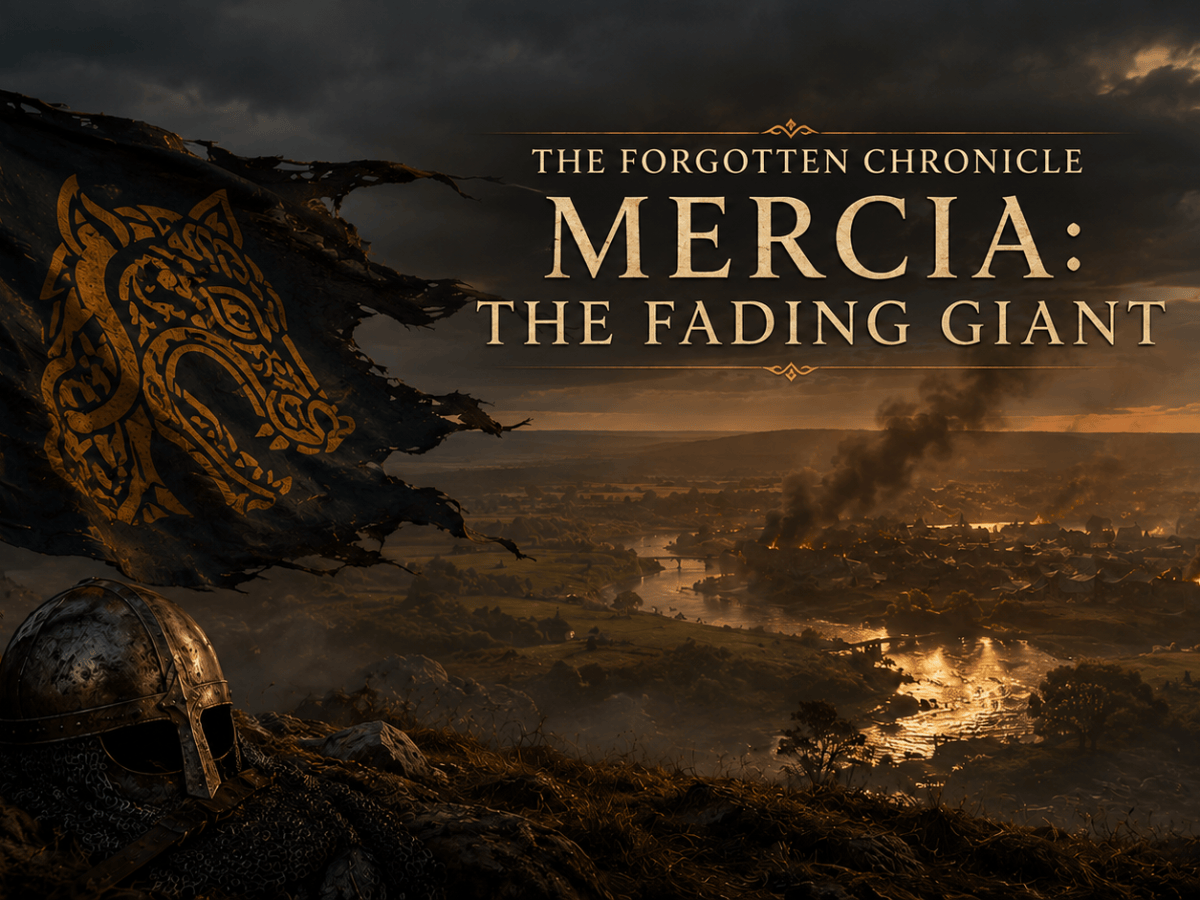
The Forgotten Chronicle: Mercia; The Fading Giant
Mercia once bent much of Anglo-Saxon Britain around its will. By the ninth century, its banners still flew and Offa’s legacy still marked the land, yet power was slipping towards Wessex as Viking armies pressed deeper inland.
Mercia: The Fading Giant follows a kingdom surviving inside a slow loss of supremacy, surrounded by the visible…
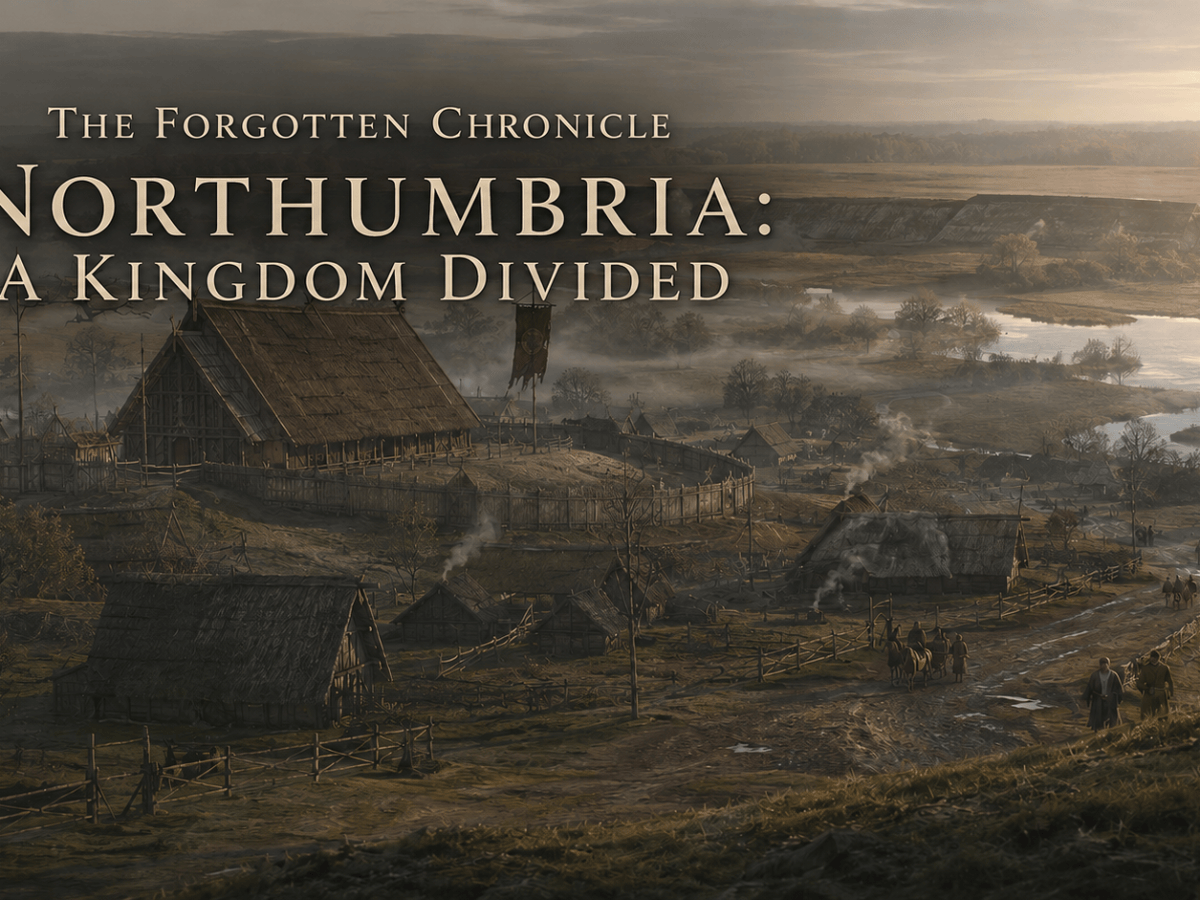
Northumbria: A Kingdom Divided
Northumbria still possessed warriors, sacred centres and the great city of York. Yet behind that strength, two rival kings were tearing the kingdom apart. As Ælla and Osberht fought for the crown, the Great Heathen Army approached a realm already weakened from within.
*Northumbria: A Kingdom Divided* enters the halls, streets and divided loyalties behind…
