An Epic High-Fantasy Saga by Simon Phillips
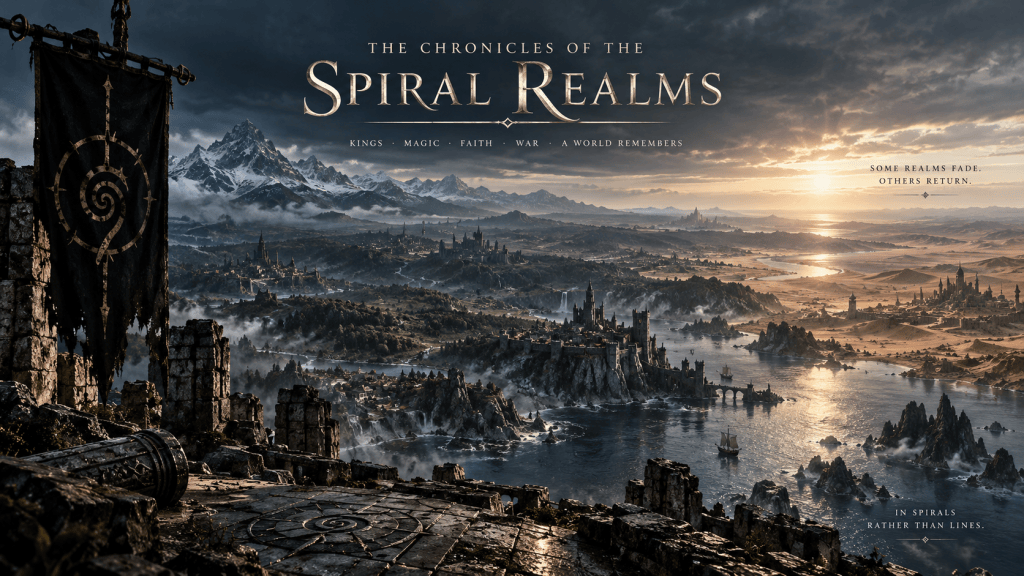
Magic remembers what history buried
Across Ældorra, kingdoms stand upon foundations older than their crowns, while the people who rule them inherit laws, faiths and magical traditions whose deepest origins have slipped beyond living memory. Bremyra watches its borders beneath the weight of royal absence, Njorvik warbands cross the Frozen Sea beneath banners shaped by clan loyalty and conquest, the Church of Christiana guards a spiritual inheritance whose archives reach further into history than most rulers suspect, and the Order of Magicians preserves powers descended from an empire whose ruins still scar the world. Each institution believes it understands the ground beneath its feet, even as old symbols begin returning through stone, blood, dreams, sealed chambers and the strange behaviour of magic itself.
At the centre of that changing age stands Simion, an Order magician whose return to Bremyra places him among people he once knew before robes, rank and obligation changed the shape of his life. Prince Patrick carries a kingdom through the absence of his father and elder brothers, Princess Elana faces a future shaped by dynastic responsibility while forces within her life begin crossing boundaries set long before her birth, and Týrnan Valgrim leads the Frostbane from the frozen north while the ambitions surrounding his people begin to outgrow the values that once gave their wars meaning. Their lives first meet the larger story through councils, harbours, marriage alliances, old manors, military roads, royal chambers and gathering armies, giving the saga a human foundation before the buried history of Ældorra begins pressing through the present.
The Chronicles of the Spiral Realms follows that widening movement across generations, kingdoms and changing structures of power, carrying the story from mortal politics and organised magic towards the consequences of a divine history that never vanished as completely as the living believed. The opening cycle, The Veil of Kings, begins where the first fractures become visible, while the larger saga reaches far beyond those six books as war, memory, faith, family and magic draw Ældorra towards another turning of the Spiral.
ÆLDORRA
A World Built on Forgotten Ruin
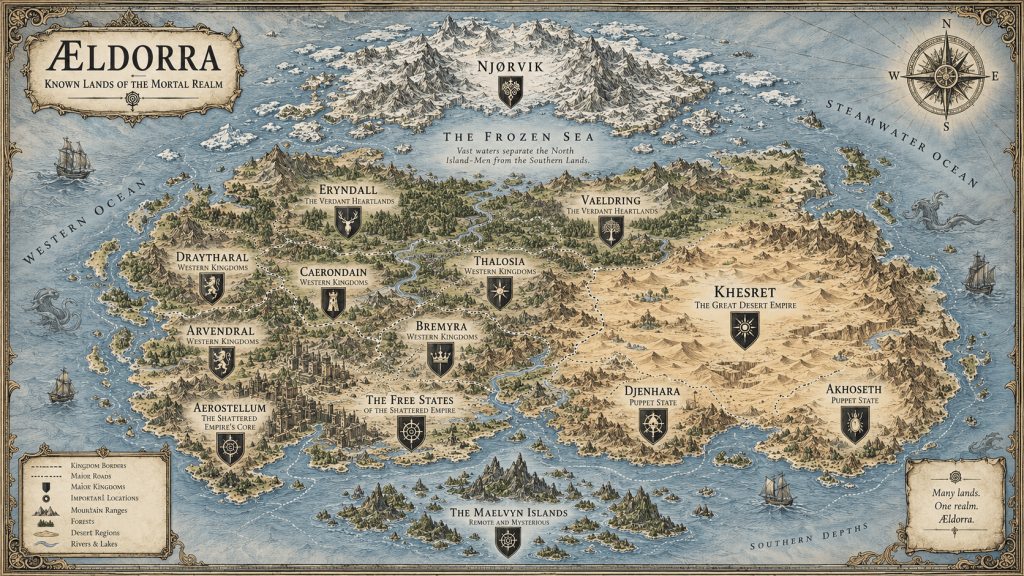
Ældorra is a world of distinct kingdoms, climates, roads, coastlines, political traditions and inherited rivalries, where the early story moves through places that feel lived in long before they feel mythic. Bremyra rises from cold water and steep stone, its harbour, castle, workshops, roads and religious centres giving the western kingdom a physical weight that shapes the people who belong to it. Arvendral, Thalosia, Draytharal and Caerondain form part of the western political world, while Vaeldring and Eryndall extend across greener heartlands further north. Beyond the Frozen Sea lies Njorvik, where longboats, clan law, hard winters and martial custom shape communities whose relationship with faith and warfare differs sharply from the courts further south.
The world extends far beyond the western courts. Khesret rises as the Great Desert Empire, while the Free States, Aerostellum, Dunehara, Akhoreth and the Maelvyn Islands widen the southern reaches of the map and place Bremyra inside a far larger political landscape than its rulers can safely ignore. The distances between these regions matter because news moves slowly, armies move at enormous cost, and a name heard first as a foreign tongue can later become the centre of decisions capable of changing several kingdoms at once.
The physical world remains essential to the identity of the series because its great changes emerge through ordinary places where people still have immediate work to complete. Armies require food, horses, roads, camps and river crossings; rulers face petitions, grain stores, border reports, marriages and obligations that survive every private crisis; healers work in rooms heavy with herbs, linen and exhaustion; priests preserve books in stone buildings; magicians enter abandoned chambers whose faded sigils retain traces of an authority older than the kingdoms around them. The divine scale grows through this material world, allowing every later revelation to carry the sense that something immense has been waiting beneath places people have used for generations.
THE IMPERIUM ARCANA
The Empire That Left Its Shadow Across the World
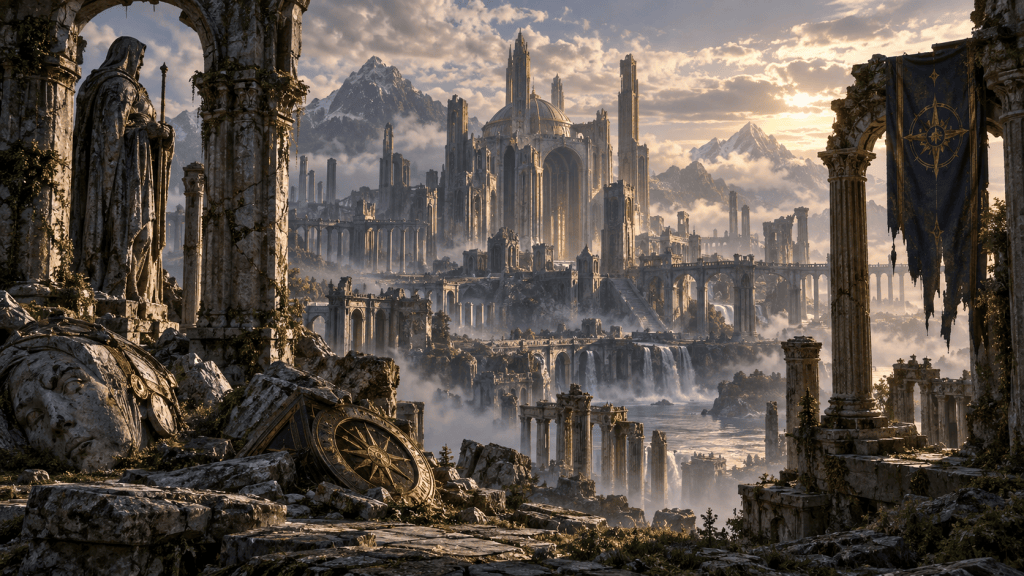
Long before the kingdoms of the present age settled into their current borders, the Imperium Arcana held authority across Ældorra through a civilisation shaped by magic and divine connection. Its magicians stood at the centre of political and spiritual order, its cities carried arcane power through stone and daily life, and its authority reached across lands that later generations would divide into separate kingdoms and cultures. The Imperium became the great buried foundation beneath the modern world, with the Order of Magicians emerging after its fracture and the old relationship between divine authority and mortal magic fading into memory. The present kingdoms inherit the consequences of that collapse even when their rulers know only fragments of the civilisation that came before them.
What survives in the present is fragmented. Ruins remain where cities once stood, magical structures survive after their original purpose has been forgotten, sealed writings pass through generations whose readers possess only pieces of their meaning, and institutions preserve customs long after the events that created those customs have become uncertain. Aerostellum and the remains associated with the Shattered Empire hold some of the clearest material traces of this earlier age, while the Order and the Church each carry different parts of an inheritance that once belonged to a far wider system.
The importance of the Imperium lies in the pressure it places on the present. Every time Simion enters an old chamber, every time the Archbishop opens a record whose language reaches beyond current doctrine, and every time a symbol appears where modern history offers no explanation, the past becomes active again. The people of Ældorra live among the remains of a civilisation whose failure shaped their world, and the deeper story asks what happens when the truths buried with that civilisation begin returning through people and institutions that have built their authority upon incomplete memory.
THE SPIRAL
Memory Returning Through History
The Spiral is one of the oldest and most persistent signs moving through the saga, appearing in places where history, magic and buried knowledge begin to overlap. It may be found in ruined stone, ancient mosaics, ash, water, dreams, sealed spaces, battlefield traces or records whose writers understood only part of what they were preserving. Its power as a symbol comes from recurrence, because a mark encountered in one age can return centuries later under a different name, carrying enough familiarity to disturb those who recognise it while still withholding the explanation they seek.
Within the deeper continuity, the Spiral is tied to memory, cycles, seals and the return of divine knowledge, while the story allows readers to encounter those meanings gradually through the lives of the characters. A symbol appears before a doctrine explains it, a place feels wrong before an archive gives that unease a history, and magic responds before the Order can provide a reason. Across the deeper history of the saga, this memory survives through ruins, dreams, ash, water and other remnants that pass from one age into another. The Spiral becomes the sign that those traces belong to something larger than coincidence, even when the people who encounter them have only fragments with which to interpret what they see.
For the people living inside the story, the Spiral becomes dangerous because it challenges the belief that history is safely behind them. Kingdoms record victories, churches preserve doctrine, magicians teach inherited techniques and families pass names through generations, yet the Spiral suggests that older forces can survive all of those structures and return when the world reaches the conditions that once gave them shape. The series therefore treats memory as a living pressure far beyond decorative lore, allowing the past to reach the present through people who often understand the cost long before they understand the cause.
SIMION
The Magician at the Centre of the Turning
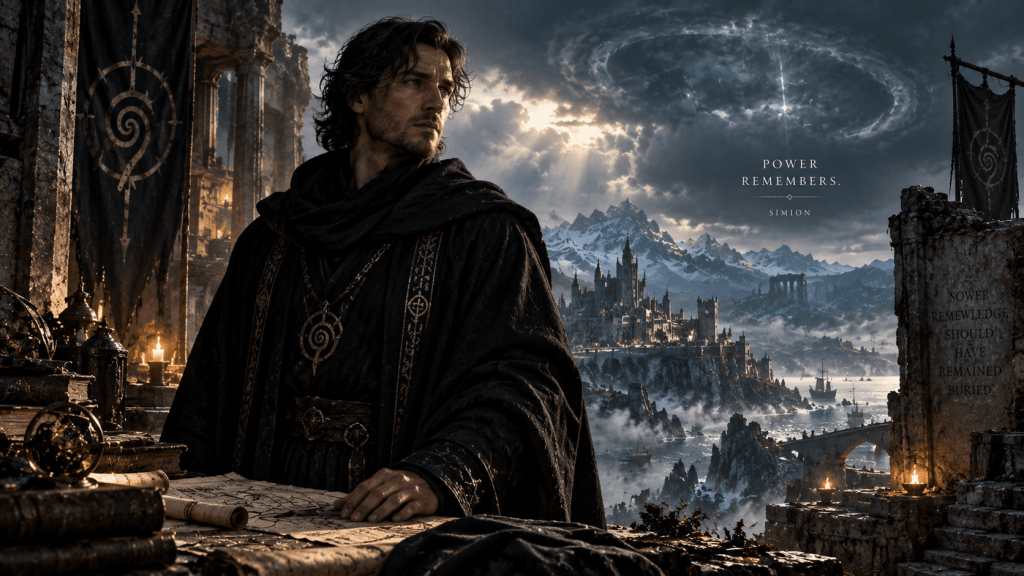
Simion first enters the present story through Bremyra’s frost-rimed harbour, wearing the black robes of the Order while carrying little of the confidence strangers might expect from them. He once belonged to the castle kitchens, knew Patrick and Elana during childhood, and left that life when the Order claimed a different future for him. Years of training gave him rank and discipline, yet they also left him aware of the strange mismatch between his own abilities and the standards by which magicians usually measure themselves. Arts that others treat as ordinary can demand exhausting concentration from him, while moments of far greater power emerge with a force that leaves teachers, priests and rulers searching for explanations.
His return to Bremyra begins under instructions from the Council of Five and quickly turns towards the disappearance of three magicians connected to disturbances around remnants of the old Imperium. The investigation carries him through the old magician’s manor, royal chambers, Church suspicion and buried places beneath the kingdom, gradually drawing his personal history into the same current as the larger mystery. His first days in Bremyra show a man carrying uncertainty beneath institutional authority, whose presence begins altering the direction of events before he understands why the world seems to react differently around him. The castle remembers him as a kitchen boy even while the people around him now see the black robes of the Order, creating a tension between the life he once knew and the stranger role gathering around him.
That contradiction remains essential to his place across the full saga. Simion can be powerful enough to frighten those around him and still feel unprepared for the responsibilities that power creates; he can recognise the weight of magical danger while struggling with domestic expectations, friendship, loyalty and the fear of failing those closest to him. His relationship with Elana returns him to a more vulnerable part of himself, his growing trust with Patrick places him inside the political life of Bremyra, and his connection with the Order forces him to confront an institution that understands the rules of magic more confidently than it understands their origin.
As later cycles widen the scale of the story, Simion remains the human centre through which that widening becomes emotionally meaningful. His importance grows through the tension between the man he believes himself to be and the forces beginning to answer him, allowing the series to explore power as burden, isolation and responsibility instead of simple fulfilment. The question surrounding him is therefore larger than the measure of his strength, because the true pressure lies in how much of his ordinary human life can survive once history begins asking more of him than any magician was trained to carry.
PATRICK
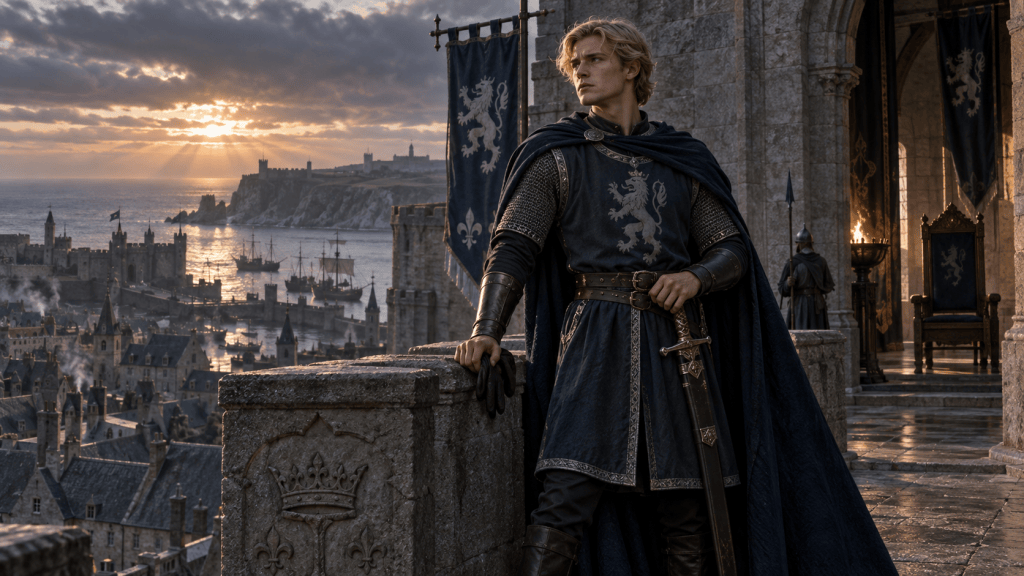
The Burden of Mortal Rule
Prince Patrick begins far from the certainty of a triumphant king. He sits at his father’s desk while King Cedric and his elder brothers remain absent, dealing with petitions, diplomatic letters, border reports and marriage pressures that continue arriving regardless of whether he feels ready to answer them. Third in line when his life was still moving according to expectation, he finds authority gathering around him through absence, and every decision forces him further into a position that once belonged to somebody else.
His importance to the wider saga comes from the way political power remains physical and immediate around him. Patrick cannot answer a border threat with mythology, and he cannot feed a kingdom through prophecy; he must speak with captains, weigh reports, judge envoys, reassure councillors and decide how many soldiers can be moved before another part of the realm becomes vulnerable. As the second book opens, Bremyra already feels war through poison, diplomatic manoeuvring, military preparation and the quiet erosion of safety inside the royal household. Patrick’s decisions begin carrying consequences far beyond the council chamber, because every concession, troop movement and alliance alters the security of people who will never enter the rooms where those choices are made.
Patrick also gives the series an important counterweight to Simion. One man is being pulled towards a mystery rooted in magic and forgotten history, while the other must hold together the ordinary structures people depend upon every day, even as those structures begin failing around him. Their growing respect therefore carries more than friendship, because each sees in the other a form of responsibility he cannot fully share. Simion may understand pressures hidden from the court, while Patrick understands the cost of translating danger into decisions that affect villages, soldiers, families and borders.
Across the larger saga, Patrick represents mortal authority facing forces whose scale may eventually exceed any crown. His value lies in endurance, judgement and the willingness to remain at the centre of difficult choices when easier men might retreat into ceremony or violence. Through him, the series keeps returning to a grounded truth: kingdoms survive through people who continue governing while history changes around them.
ELANA
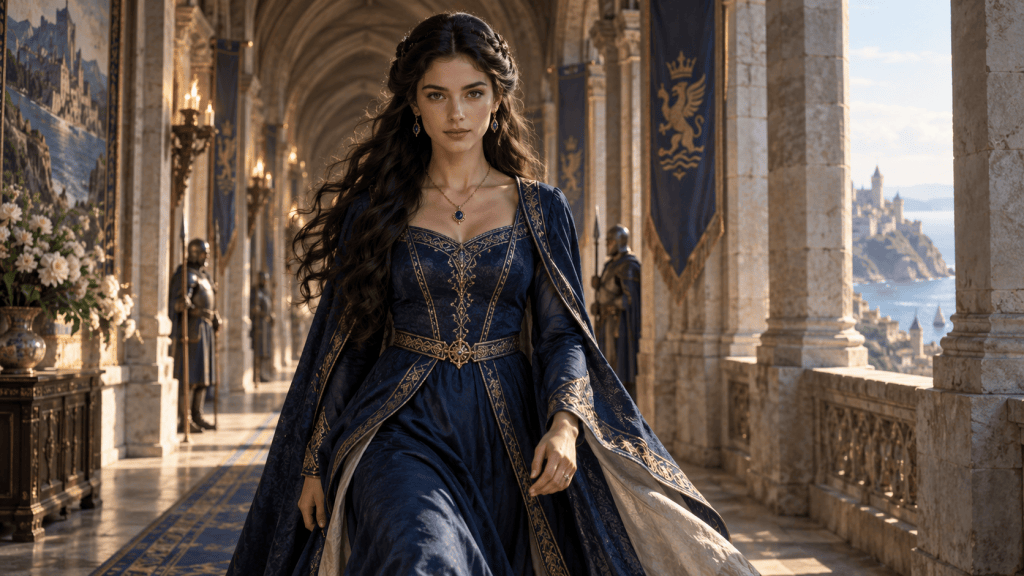
Family, Duty and a Power Outside the Rules
Princess Elana enters the story as a royal daughter whose future has already been shaped by alliance, family and political expectation, yet her presence quickly reaches beyond the familiar role such structures assign her. She sees more in Patrick’s strain than many members of the court, remembers Simion as the kitchen boy who once ran through Bremyra’s gardens, and responds to the returning magician as a person before she responds to the authority carried by his robes. That recognition gives their connection an intimacy rooted in shared history, allowing the story to place warmth and vulnerability beside the growing pressure of magic and war.
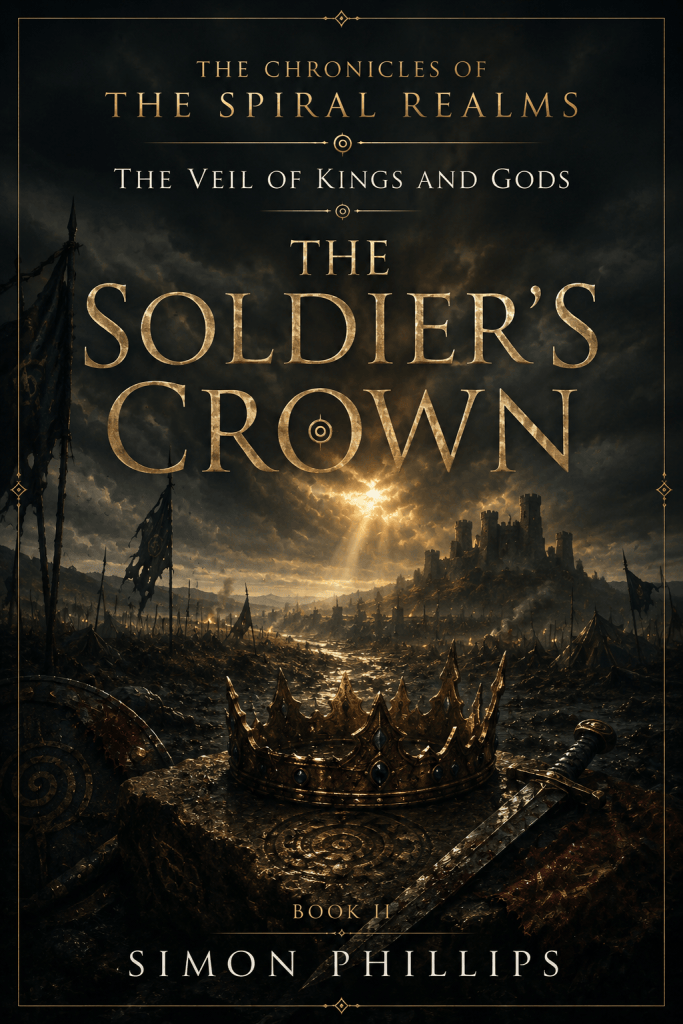
Her political importance develops alongside that personal connection. Elana belongs to a royal family whose marriages influence alliances, whose private choices can alter public relationships, and whose safety becomes part of the wider struggle gathering around Bremyra. In The Soldier’s Crown, her instinctive use of healing magic while Simion lies poisoned brings another layer into focus, because compassion crosses directly into territory controlled by inherited law. The moment binds personal fear, forbidden ability and institutional power inside one room, creating a pressure that reaches far beyond romance.
Elana’s wider role in The Chronicles of the Spiral Realms is therefore connected to the human cost of systems that believe order depends upon rigid boundaries. She stands inside monarchy, family, Church influence and magical restriction while remaining capable of choices that emerge from loyalty and mercy instead of doctrine. As the saga grows, her presence keeps Simion connected to a life measured through people and relationships, while her own responsibilities ensure that she remains an active part of the political and emotional structure of the world.
Her strength is most effective when it remains grounded in those pressures. She is perceptive, capable and deeply connected to the people around her, while every widening part of the story gives those qualities greater consequence. Through Elana, the reader sees how private love and public duty can become inseparable once institutions begin deciding which acts of compassion, loyalty or power are acceptable.
TÝRNAN VALGRIM
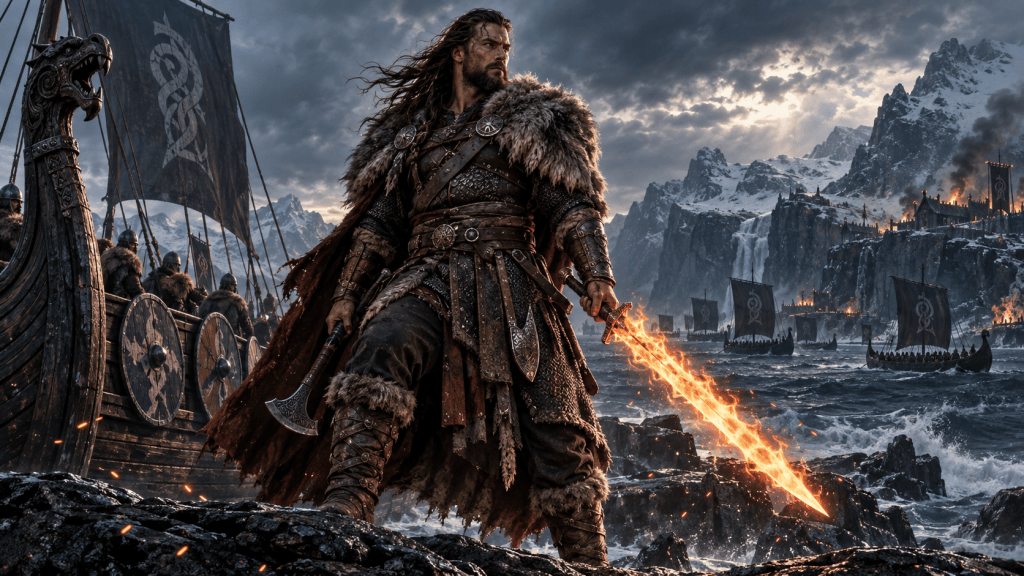
Warleader of the Frostbane
Far beyond Bremyra’s court, Týrnan Valgrim leads the Frostbane through a culture shaped by cold seas, clan loyalty, warrior law and the practical demands of survival. His authority comes through men who have watched him make decisions under pressure, and his early conflict grows from the widening gap between the discipline he expects from his warriors and the ambition spreading through the northern tribes. The sea voyage south gives that conflict a physical beginning, with storms testing the ships before conquest tests the values of the men aboard them.
Týrnan carries faith in Tharok, reverence for the traditions of his people and a hard understanding of violence, yet he also recognises that strength loses meaning once cruelty becomes its own purpose. This becomes clearer in The Soldier’s Crown, where the greater northern encampment has begun sliding into disorder under the High Chieftain’s influence. Warriors kill for spectacle, cruelty spreads through the camp, and Týrnan finds himself trying to preserve discipline inside his own warband while orders send him towards the distant borders of Khesret.
That position gives Týrnan a wider function than the role of invading warlord. He is responsible for people whose survival depends upon strength, even as the structures commanding that strength become increasingly corrupted by ambition and forces he cannot yet identify. His path allows the saga to explore warfare from inside the culture carrying it forward, showing the pride, bonds and necessity that can hold warriors together alongside the moral damage created when conquest outgrows restraint.
As the conflicts of Ældorra widen, Týrnan becomes one of the characters through whom the meaning of war itself changes. Battles begin as struggles for land, survival and command, then slowly acquire consequences extending beyond what any chieftain can see from the field. His growing unease therefore matters as much as his ability with steel, because he stands close enough to violence to recognise when it has begun serving something larger than the men who believe they control it.
THE ORDER OF MAGICIANS
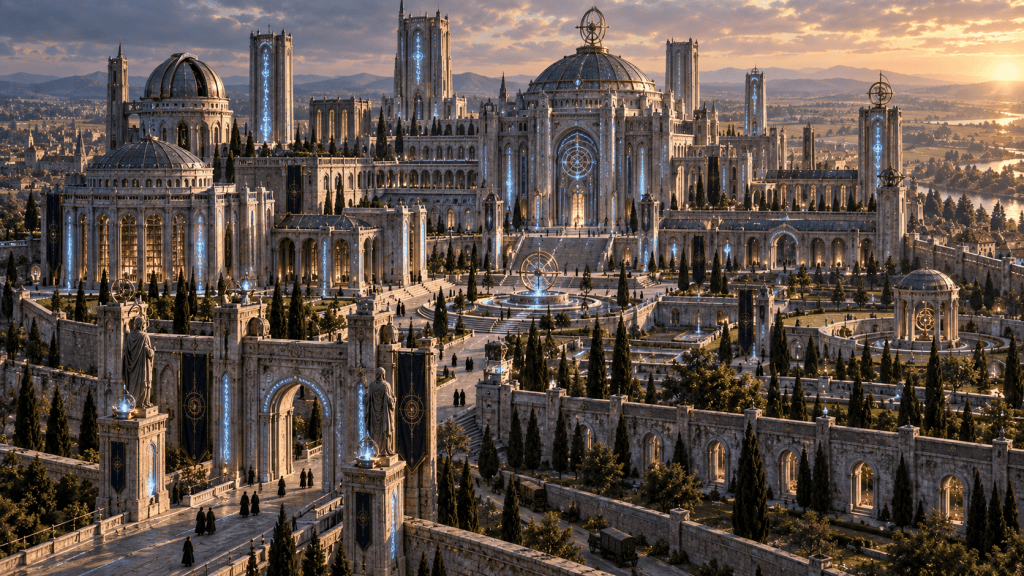
Power Inherited from a Lost Age
The Order of Magicians stands among the most powerful institutions of the early saga, carrying traditions descended from the old Imperium Arcana while living in a world that has forgotten much of the civilisation from which those traditions came. Its members train within hierarchy, discipline and formal magical practice, while the Council of Five governs an organisation capable of influencing kingdoms even when those kingdoms would prefer distance. Magicians are respected, feared and frequently distrusted, creating a social tension that follows Simion through ordinary rooms long before any overt confrontation begins.
The Order genuinely preserves knowledge that might otherwise have vanished. Its libraries, training, rituals and inherited techniques allow generations of practitioners to reach the Vein and shape magic through structures refined over centuries. Yet the same continuity that gives the institution strength has also made it confident in rules whose oldest purpose has become obscure, leaving a widening gap between practical mastery and historical understanding. Its deepest weakness lies in the belief that control and understanding are the same thing, a tension that grows increasingly important as Simion encounters powers and memories the institution struggles to classify. The more the world changes around the Order, the more its inherited certainty becomes a test of whether tradition can adapt before fear turns preservation into punishment.
This makes the Order more compelling than a simple source of opposition. Its members are custodians, teachers, investigators and political actors, many of whom sincerely believe that structure protects the world from dangerous misuse of magic. The deeper problem emerges when inherited authority becomes more important than the truth those structures were created to preserve, because an institution built to guard magic can eventually become one of the forces least prepared for magic to change.
THE CHURCH OF CHRISTIANA
Faith, Healing and the Archives of an Older World
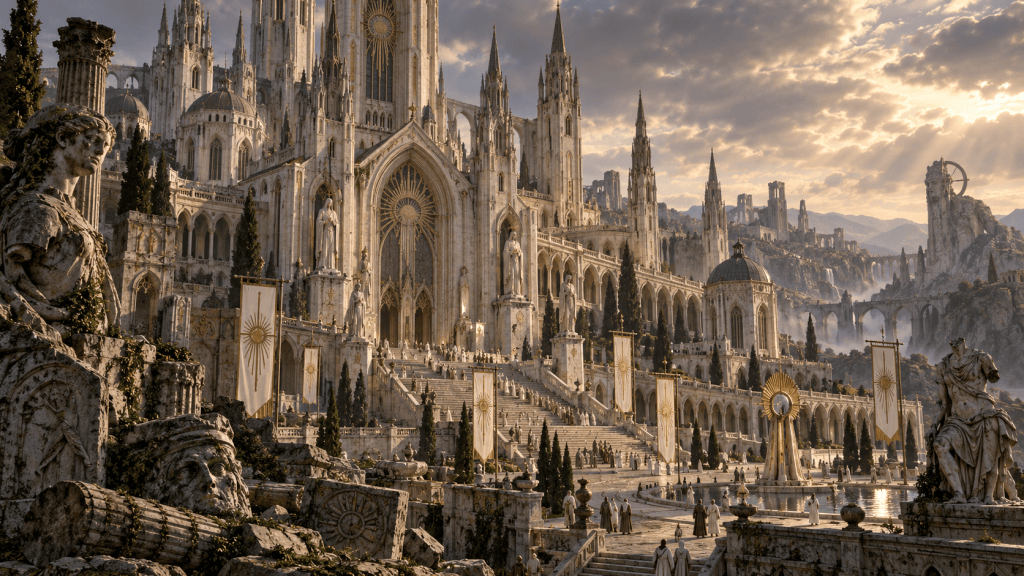
The Church of Christiana stands beside the Order as another great inheritance from the old world, holding spiritual authority across kingdoms where doctrine, healing and ritual remain closely tied to everyday life. In Bremyra, Archbishop Alaric Thorne initially meets Simion through generations of suspicion between Church and Order, giving their early encounters the weight of institutions that have shared history while preserving very different versions of it. The tension between them remains grounded in politics, responsibility and inherited memory, allowing faith and magic to occupy the same world while resisting any easy division into opposing sides.
Alaric’s importance grows as the story begins revealing that the Church has preserved records extending into areas the Order itself may have forgotten. His work as a healer exposes him to magical corruption that resists familiar understanding, while his access to religious history leads him towards documents and traditions whose meaning reaches into the vanished relationship between mortals and gods. Alaric becomes one of the principal gateways into this buried divine history, with his discoveries developing through archives, fragments and theological pressure as the saga widens. His questions grow from the work of a priest and healer, which keeps the larger revelations tied to responsibility, belief and the fear of learning that sacred history has been preserved incompletely.
The Church therefore carries its own contradiction. It offers genuine healing, continuity, belief and social structure, while centuries of doctrine can place boundaries around truths that once belonged to a broader divine world. As Alaric moves deeper into that inheritance, the story gains a perspective capable of asking whether faith can survive the recovery of history in its fuller form, especially when sacred institutions discover that memory has preserved more than doctrine ever allowed them to explain.
MAGIC AND THE VEIN
What the World Can Use, and What It Has Forgotten
Magic in Ældorra belongs to the fabric of the world, flowing through a deeper lattice known as the Vein and becoming accessible through training, inherited structures, incantations and formal practice. For most magicians, the relationship is disciplined and learned: knowledge shapes access, technique shapes control, and repeated practice creates the confidence required to work safely with forces capable of changing bodies, spaces and the physical environment. This gives magic a practical presence in the story, where its effects carry effort, danger and consequence instead of existing as effortless spectacle.
Simion complicates that understanding because his relationship with magic repeatedly escapes the expectations surrounding ordinary practice. He may struggle with a trained technique that another magician considers basic, then reach towards something far more powerful with an ease that unsettles witnesses and teachers alike. The effect is less a question of stronger spells than a question of access, because the deeper continuity places his difference in the way he reaches the Vein itself.
That difference allows the series to treat magic as an archaeological problem as well as a source of power. Every spell belongs to a practice inherited from earlier generations, every institution carries assumptions about what magic can be, and every ancient site creates the possibility that current teaching represents only a surviving fragment of a much larger understanding. The more Simion encounters old structures, sealed writings and forces beyond formal instruction, the more the story shifts from asking how magic works towards asking how much of its true history has been lost.
WHEN THE GODS BEGIN TO MATTER AGAIN
Divine Silence Beneath Mortal History
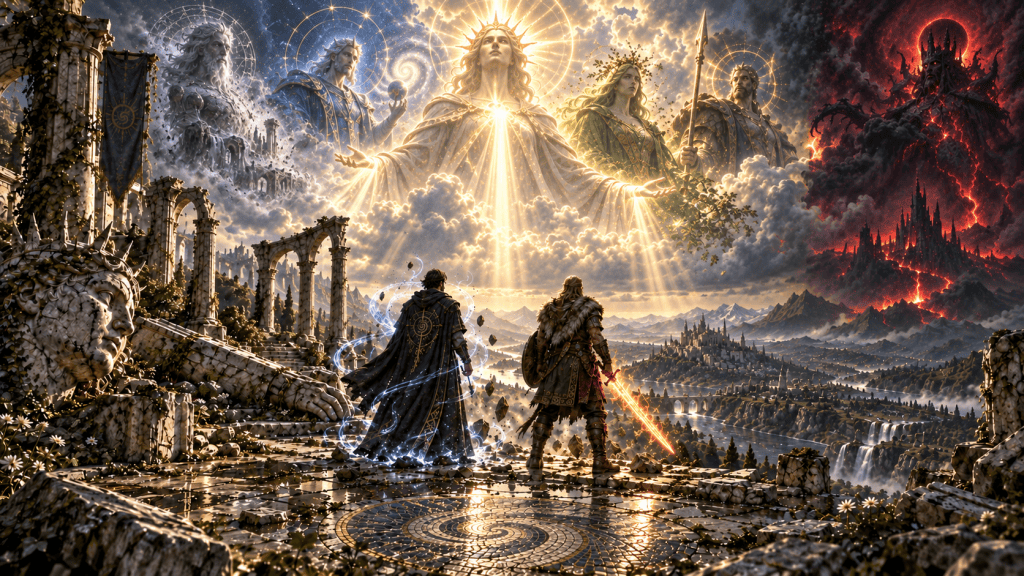
The people of Ældorra live among religions, divine names and inherited sacred traditions, yet the gods themselves remain distant enough for silence to feel normal. Njorvik warriors invoke Tharok before storms and battle, the western kingdoms live beneath the influence of Christiana’s Church, and ancient records preserve memories of divine beings whose relationship with the world has become difficult to separate from myth. This distance allows the early story to remain grounded in human conflict, because rulers still believe armies, alliances, magic and political judgement will decide the future.
The oldest surviving history suggests a more dangerous reality. The fall of the Imperium Arcana was bound to a divine conflict that reshaped the world, and the darkness sealed beyond mortal reach was never erased from existence. At the centre of that ancient catastrophe lies Azaroth, a fallen divine power whose corruption became bound to the collapse of the old age and the weakening of restraints that once protected the mortal world. His presence belongs deep beneath the early political story, giving the growing violence of Ældorra a second meaning that becomes clearer only as characters uncover what earlier generations buried.
The importance lies in the widening pressure instead of the complete explanation. Mortal wars begin creating consequences that exceed territorial victory, old symbols return where they should have remained meaningless, Church records and magical ruins begin pointing towards the same buried history, and individuals find themselves touched by forces that their institutions can describe only through fragments. The saga grows from kingdoms towards divine consequence gradually, allowing readers to feel the scale expanding while the deepest answers remain protected for the books themselves.
THE VEIL OF KINGS
The Six-Book Opening Cycle of The Chronicles of the Spiral Realms
The Veil of Kings is the opening cycle through which readers first enter Ældorra and meet the people who will carry the wider saga forward. Across six books, the cycle begins with Simion’s return to Bremyra, Patrick’s growing burden of authority, Elana’s movement between royal duty and forbidden possibility, and Týrnan’s march from the Frozen North into a campaign whose consequences spread far beyond the ambitions of the men who began it. These threads develop alongside the Order, the Church, Khesret, the buried Imperium and the first clear signs that mortal conflict is moving across a much older foundation.
The purpose of the opening cycle is to let that scale grow through lived experience. Readers enter through a cold harbour, a tired prince at his father’s desk, a warleader watching ships leave the northern shore and a princess preparing for a political future shaped by other people’s decisions. From there the story passes into vanished magicians, poisoned wounds, old books, contested borders, gathering armies, hidden archives and magical events that strain every accepted explanation, allowing the mythic dimension to emerge through consequences already rooted in character and place.
The six books form the first major movement of the saga, while the permanent series remains larger than the cycle that opens it. Later cycles will continue beyond these events as the political, magical, religious and divine structures of Ældorra change under pressures already beginning here, giving the page room to grow with the series while preserving a clear entry point for readers arriving today. The Veil of Kings therefore stands as the six-book opening cycle beneath The Chronicles of the Spiral Realms, giving new readers a clear beginning while preserving the larger identity of a saga designed to continue through later cycles.
THE VEIL OF KINGS READING ORDER
BEYOND THE VEIL OF KINGS
The Spiral Continues
The Veil of Kings opens the world at the point where mortal institutions still appear capable of containing the dangers around them. Kings can raise armies, the Order can issue decrees, the Church can rely upon doctrine and healing, and political marriages can still be treated as tools for stabilising borders. The deeper saga grows from the moment those structures begin encountering pressures for which inherited authority provides fewer answers, forcing characters to choose between preserving the world they know and responding to truths that may require that world to change.
Later cycles will carry The Chronicles of the Spiral Realms beyond the first six books and into a broader history shaped by prolonged war, the return of buried divine knowledge, the changing place of magic and the consequences inherited by future generations. Those later movements will deepen the pressures already visible in the opening cycle, carrying the world through the weakening of old institutions, changing generations and a divine struggle whose full shape remains beyond the horizon of the early books. The series can promise that widening scale while leaving the exact costs, transformations and losses for readers to encounter in their proper place.
This section should remain permanent even while future cycle names are still being developed, because it tells readers that The Veil of Kings is the opening movement instead of the boundary of the fictional world. Once the next public cycle is confirmed, its title, books and visual identity can be added directly beneath this section, allowing the page to grow into a long-term shelf for the full saga.
READ THE CHRONICLES OF THE SPIRAL REALMS
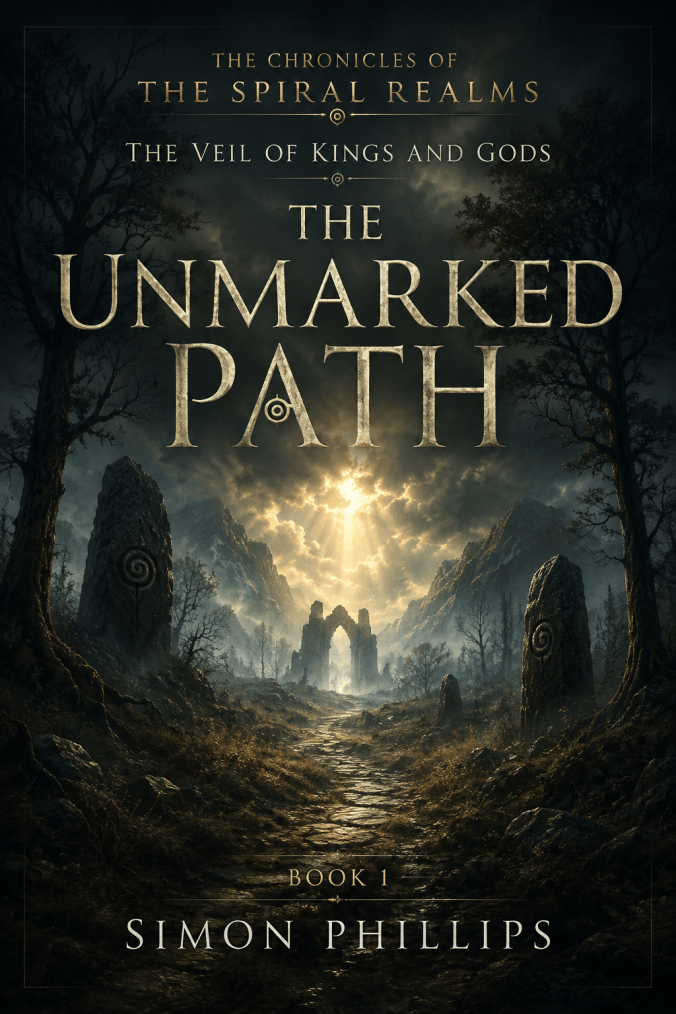
The strongest purchase route begins with The Unmarked Path while the broader page continues selling the scale of the entire saga. Readers who arrive through character art, a Chronicle post, a search result or a later book should always be able to move back towards the main hub, see the correct reading order and enter the series from the first available book.
If a dedicated Amazon series page is confirmed later, it can sit beside the Book One route as a secondary option. Until that point, the direct Book One purchase button remains the clearest entry into the published fiction, while every later book receives its own button within the reading-order shelf.
LATEST FROM THE CHRONICLES OF THE SPIRAL REALMS
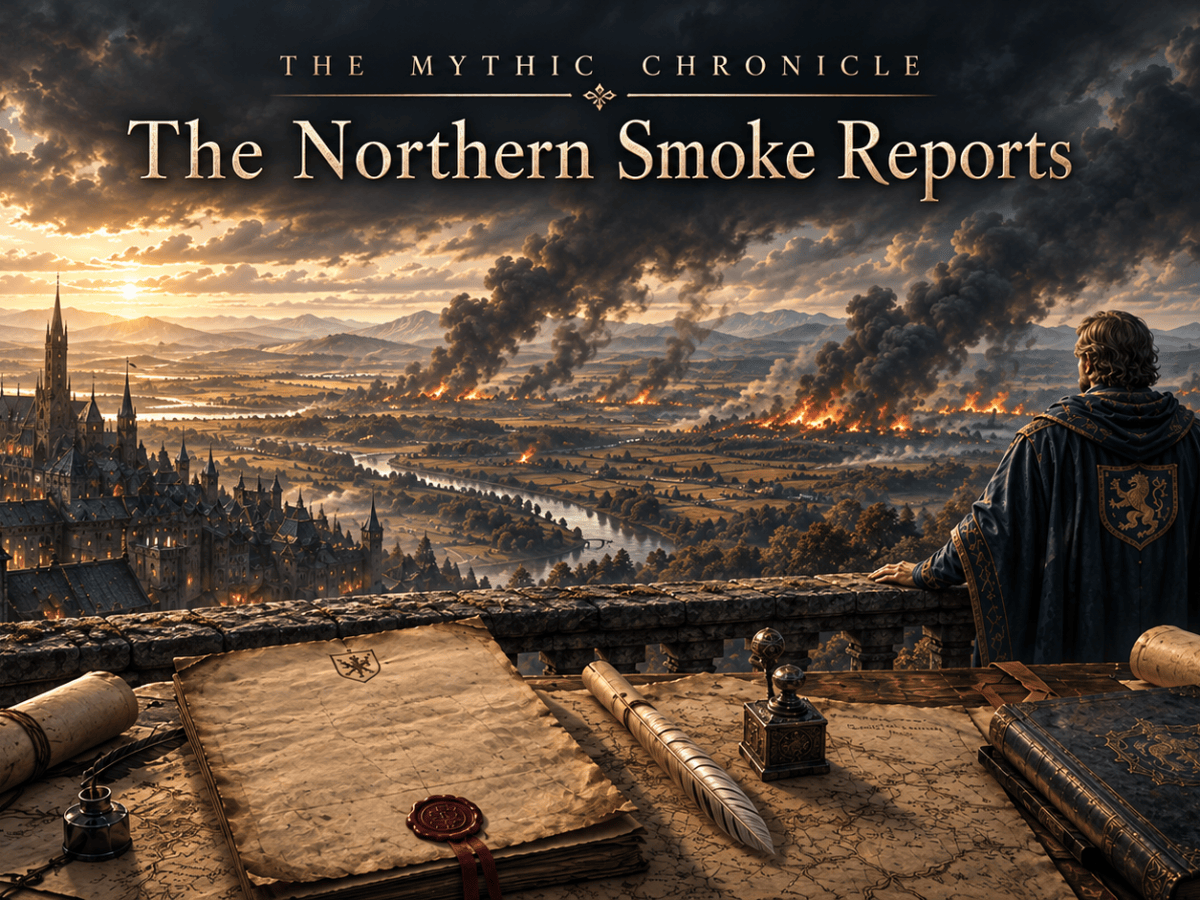
The Mythic Chronicle: The Northern Smoke Reports
Smoke has begun rising across Vaeldring. One rider reports longships beyond the northern headlands. Another brings word of burned villages and abandoned watchtowers. Refugees are already moving south while armed companies carry food, iron and captured carts inland. Inside Bremyra Castle, the reports are still filed under a cautious heading: Northern Reports, Uncertain Strength. The…
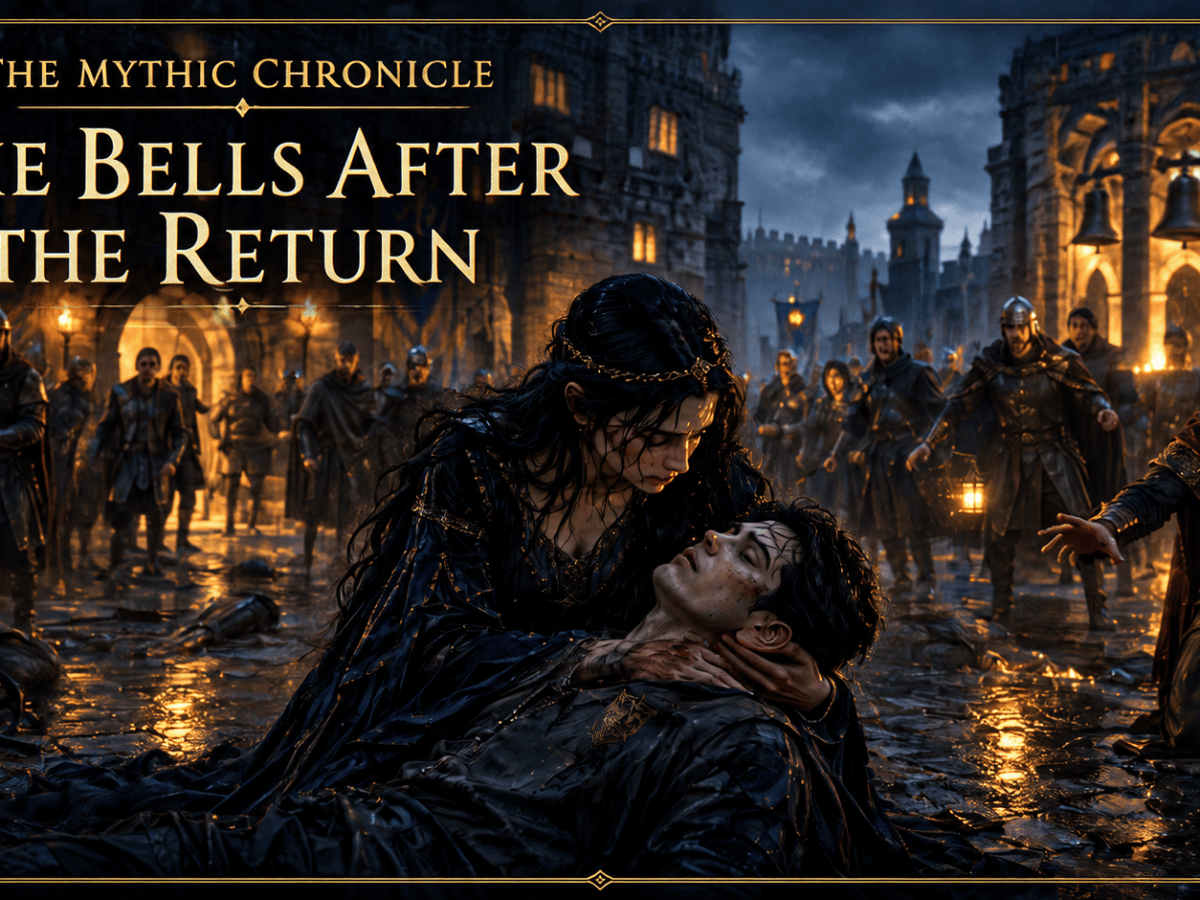
The Mythic Chronicle: The Bells After the Return
The road to Vaeldring has already been broken. Now the king’s watch must account for what remains.
Beyond Grey Ash Rise, poisoned arrows lie among the dead, while a curve of burned grass crosses ground too wet to sustain an ordinary fire. At its centre, two living trails end in the ash, with no footprints…
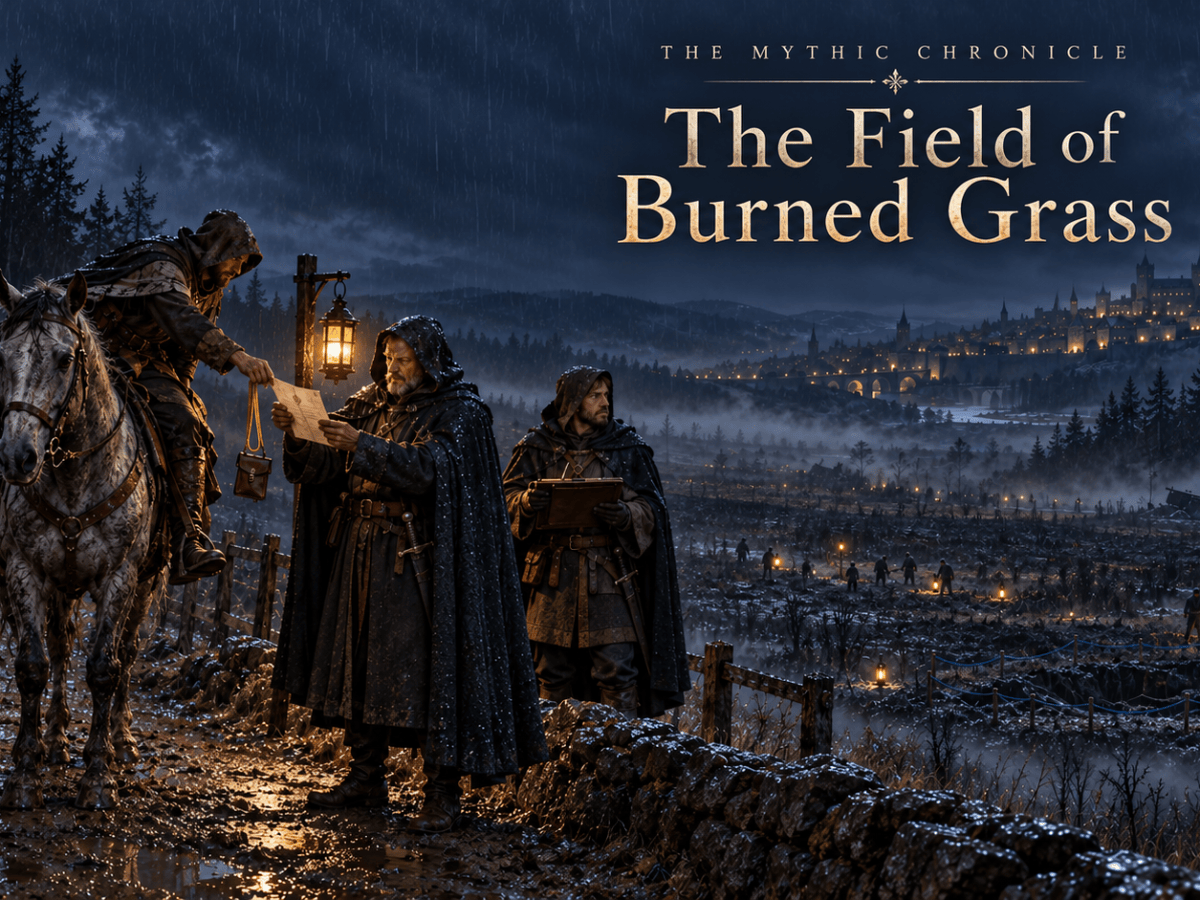
The Mythic Chronicle: The Field of Burned Grass
The road to Vaeldring has already been broken. Now the king’s watch must account for what remains.
Beyond Grey Ash Rise, poisoned arrows lie among the dead, while a curve of burned grass crosses ground too wet to sustain an ordinary fire. At its centre, two living trails end in the ash, with no footprints…
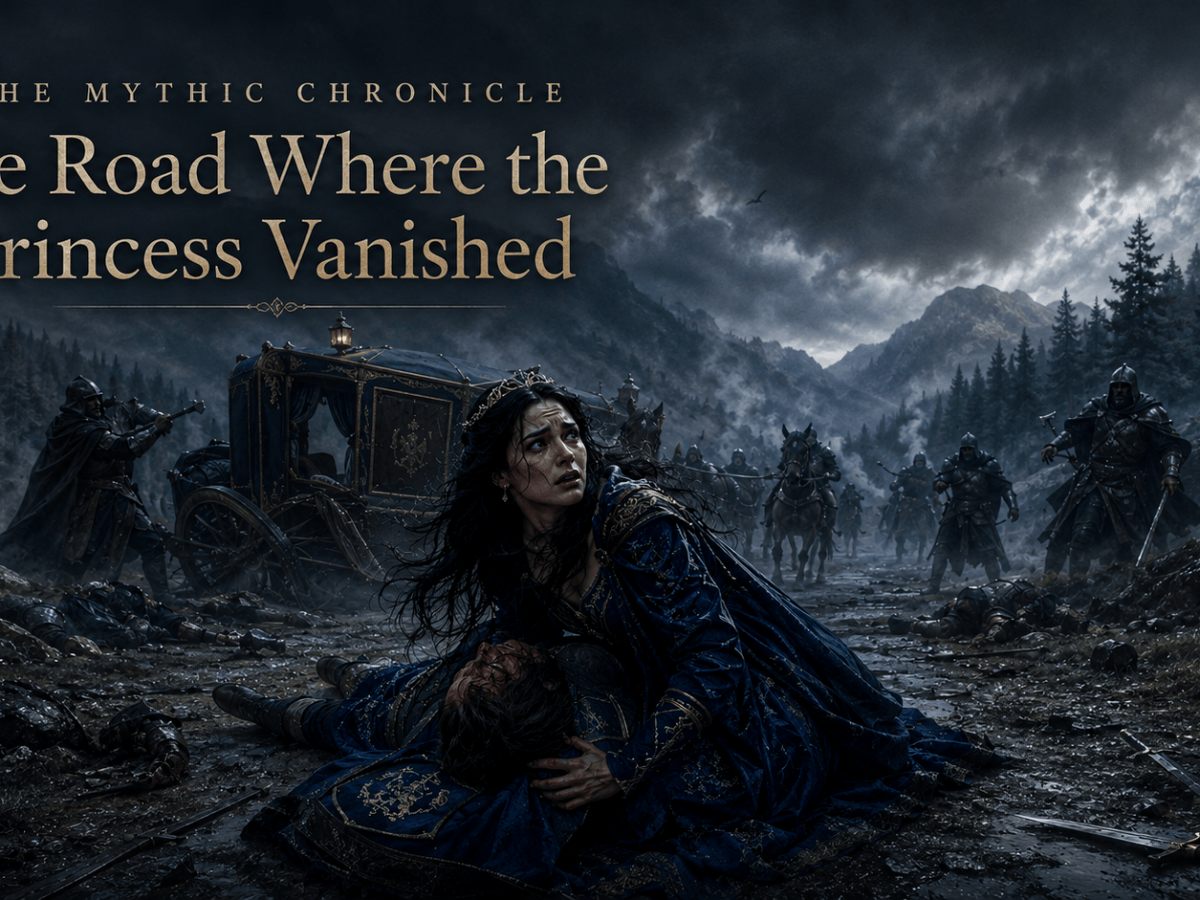
The Mythic Chronicle: The Road Where the Princess Vanished
Princess Elana leaves Bremyra beneath royal guard. Beyond the last tally post, the road goes quiet.
A horn is heard through the trees. Birds rise at once. A riderless horse returns carrying torn blue cloth, while wheel tracks and blood lead towards a broken carriage deeper in the pines.
The Road Where the Princess Vanished…
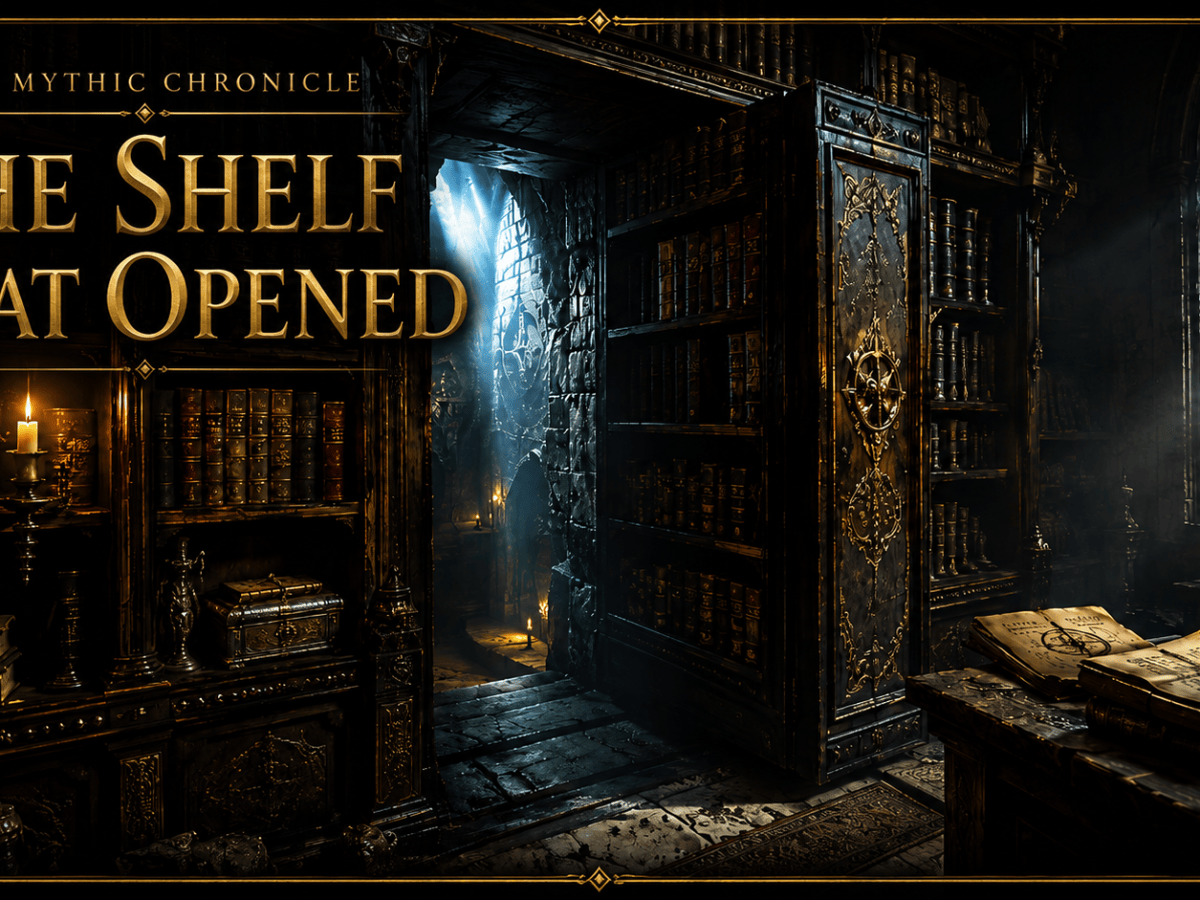
The Mythic Chronicle: The Shelf That Opened
A routine inventory in Bremyra Castle’s royal library reveals something no catalogue records.
One western shelf has shifted. Cold air moves through the join. Behind the books waits older stone, a concealed mechanism, and the suggestion of a passage descending beneath the castle.
In *The Shelf That Opened*, the fifth record from *The Sealed Road…
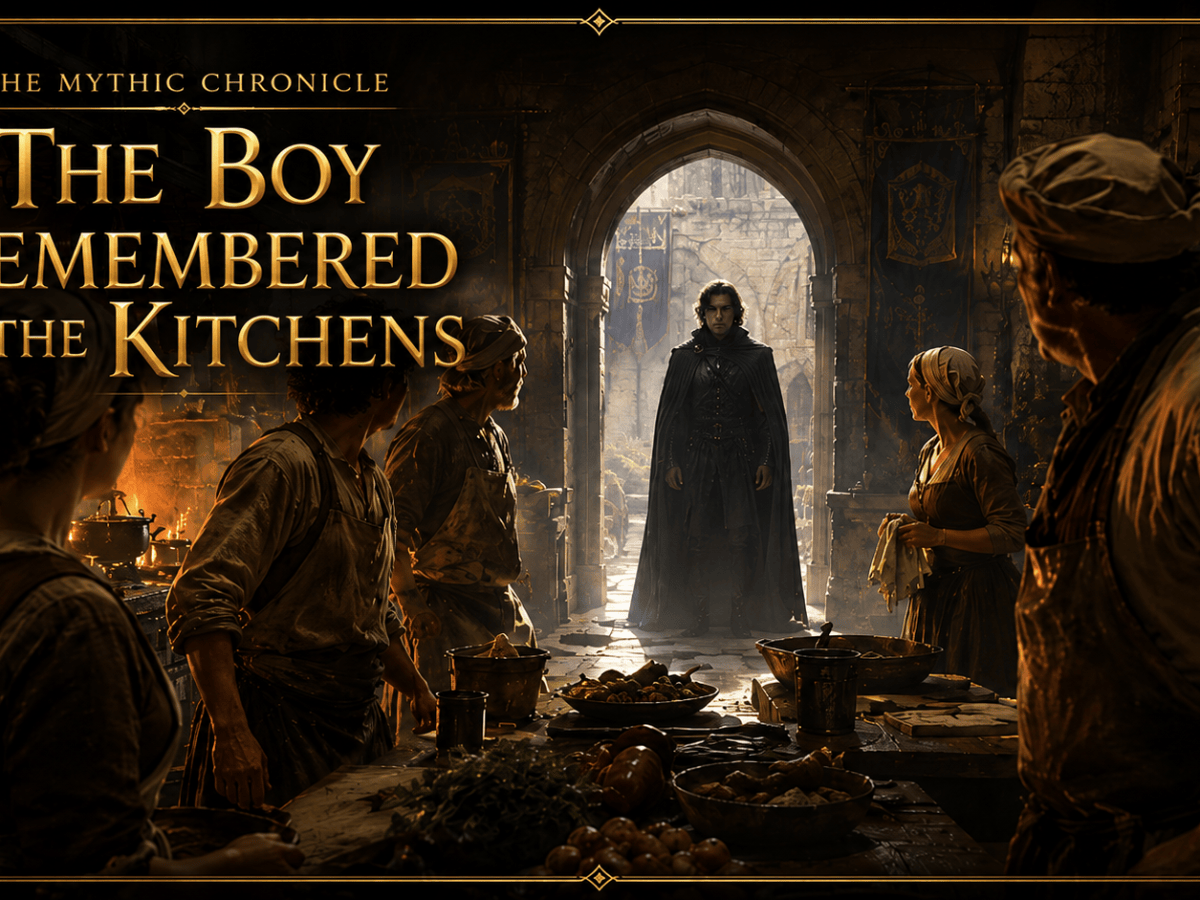
The Mythic Chronicle: The Boy Remembered in the Kitchens
The court sees a magician. The kitchens remember the boy.
When Simion returns to Bremyra Castle under the authority of the Order, the servants below stairs recognise a past that rank and official records have almost erased. Among bread boards, hearth smoke and an unexplained cold beneath the western stair, an older name begins to…
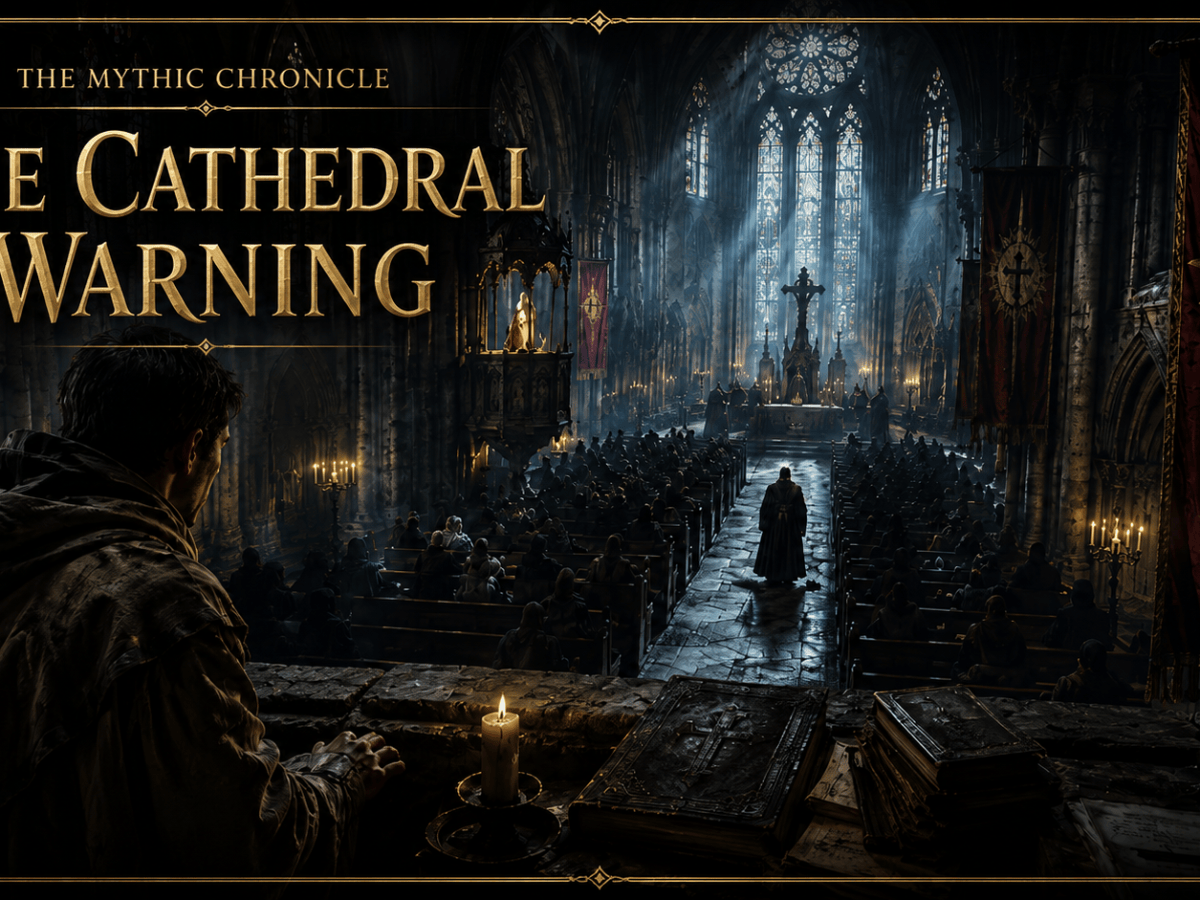
The Mythic Chronicle: The Cathedral Warning
The Order has returned to Bremyra, and the cathedral answers by locking its undercroft, clearing the nave and summoning the newly arrived magician beneath Archbishop Alaric’s authority. Yet as candles lean towards a sealed stair and something stirs beneath the choir, the Church’s warning begins to reveal a deeper fear. Read The Cathedral Warning, the…
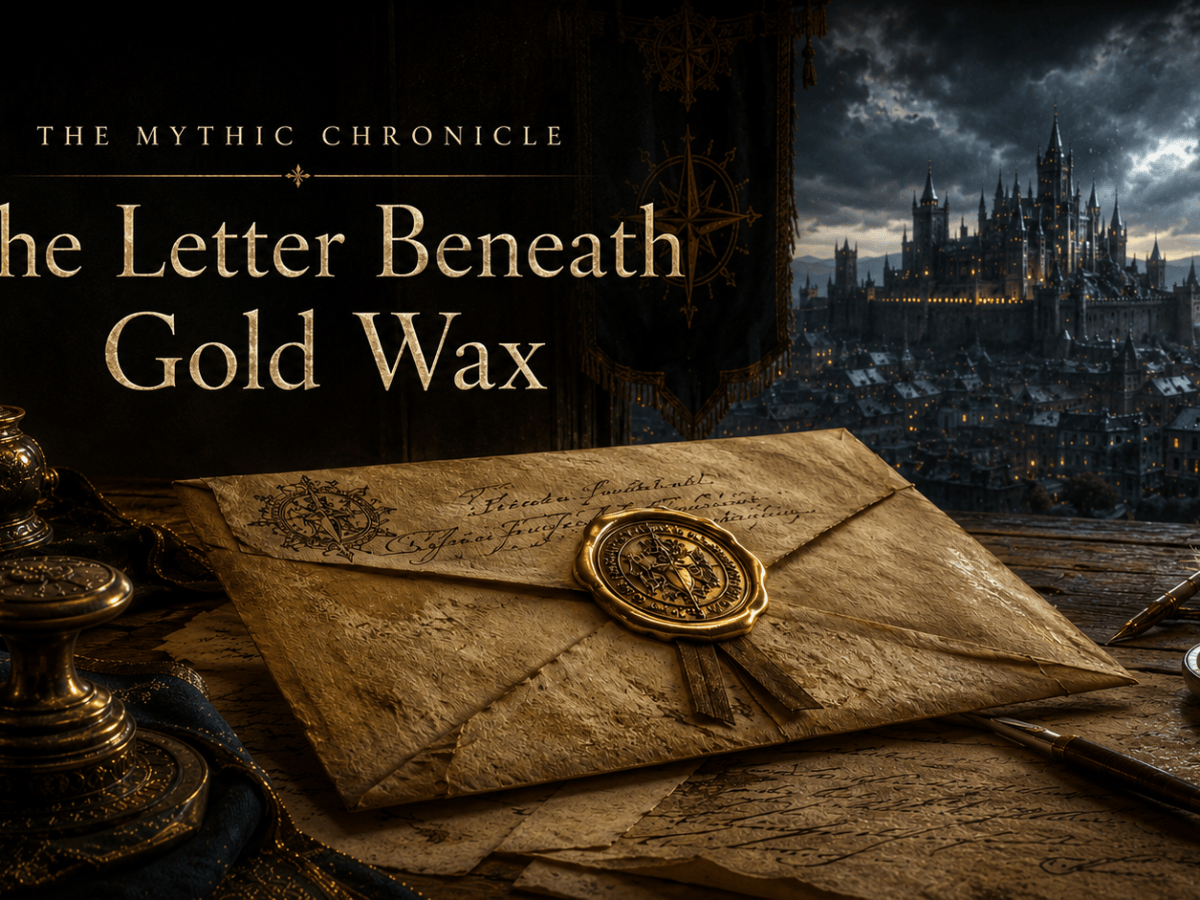
The Mythic Chronicle: The Letter Beneath Gold Wax
Snow falls across Bremyra Castle as a rider delivers a cedar case sealed beneath flawless gold wax. The clerks recognise the authority of the Council of Five before anyone knows what the letter contains. Yet by the time Prince Patrick breaks the seal, the castle has already begun to change around it. Read The Letter…
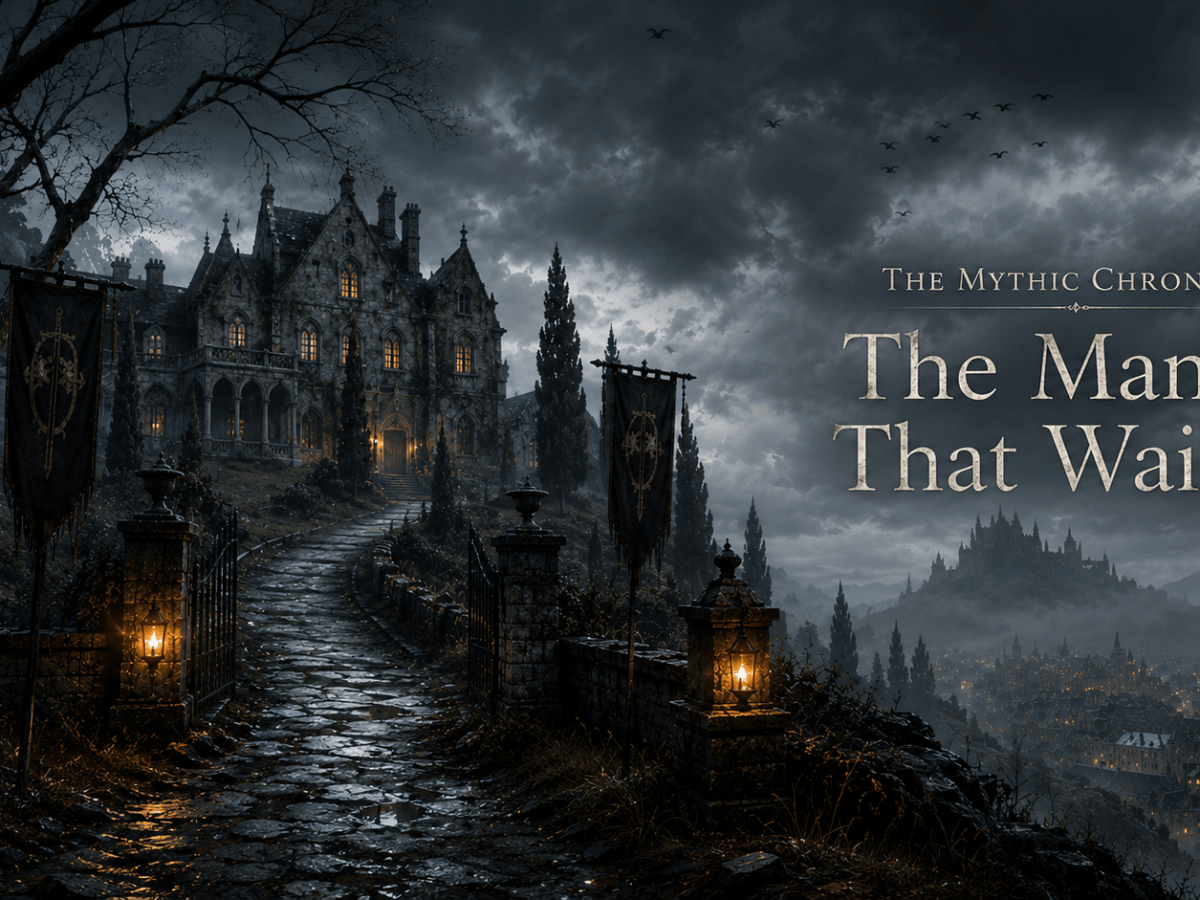
The Mythic Chronicle: The Manor That Waited
High above Bremyra, an abandoned manor is reopened for a guest whose name the servants have not been told. Fires catch too quickly. Closed doors ease open. A lamp burns in the western suite before any hand lights it. In The Manor That Waited, an old Order house begins to stir before the returning magician…

When the Castle Called His Name: The Hidden Passage Beneath Bremyra
A whisper follows Simion through the winter-dark corridors of Bremyra Castle, drawing him towards a library door that seems to breathe beneath the torchlight. Behind its shelves, something ancient has begun to remember him.
Watch the illustrated mini-read, then step into The Unmarked Path, Book I of The Veil of Kings and Gods.
#HighFantasy #DarkFantasy…
