The Unclassified: Slow-Burn Epic Fantasy Where an Ancient Book Opens into a Hidden Magical Realm

An old book rests beneath the controlled light of a London conservation studio, surrounded by brushes, weights, linen thread, magnifying lenses, and the accumulated certainty of professional knowledge. Its leather carries no title. Its script belongs to no language its reader recognises. Darker marks sit between the lines, holding the lamplight longer than ordinary ink should ever manage.

Silas Thorn understands damaged books. He understands altered bindings, hidden repairs, brittle fibres, fading ink, and the patient labour required to preserve something that has survived the carelessness of previous generations. What he does not understand is why the book feels warm beneath his hand, why its markings appear to draw light inward, or why the page begins to open into a depth that cannot exist within paper.

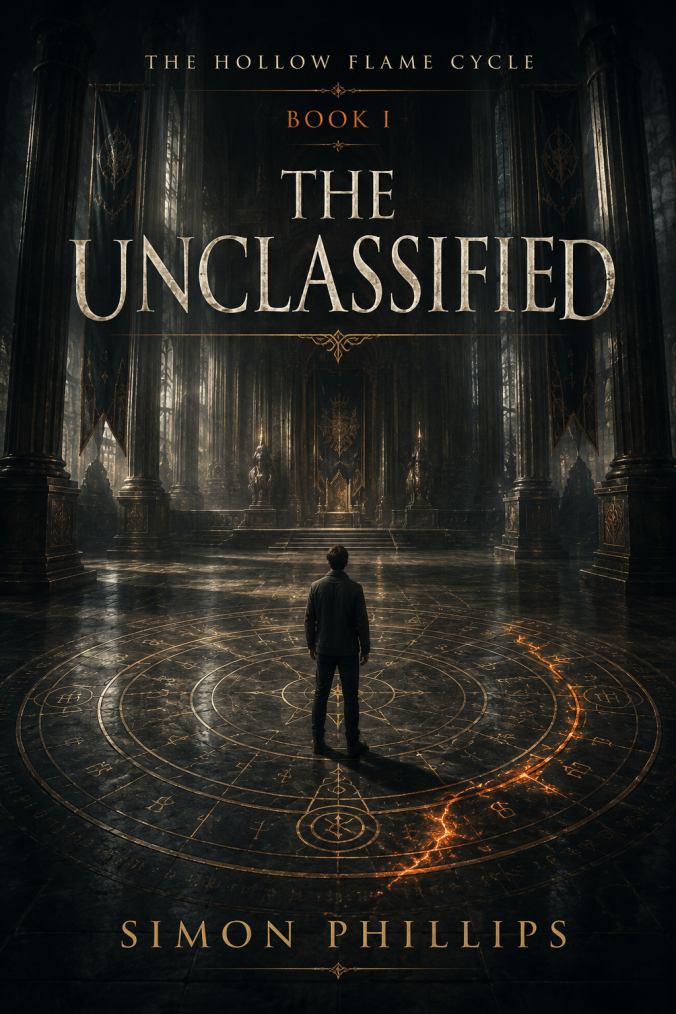
The Unclassified, Book One of The Hollow Flame Cycle, begins as an atmospheric fantasy about old books and buried history before widening into a slow-burn epic fantasy of hidden realms, royal authority, magical institutions, and a man whose arrival threatens every accepted explanation surrounding him.

The crossing does not welcome Silas into an adventure. It removes him from everything he knows and places him inside a civilisation that already believes his presence must mean something.

A Book That Refuses the Rules of Preservation

Silas approaches the unidentified volume as a manuscript conservator, rather than as someone searching for magic. That distinction shapes the entire story.

He does not open the book because he longs to escape modern life, discover secret powers, or fulfil an old prophecy. His father finds it among family possessions connected to Silas’s grandmother, wrapped and hidden behind an old trunk. Silas takes it back to his studio because careful examination is his profession. The response is completely reasonable within the life he understands.

That ordinary foundation gives the impossible greater weight.

The book’s transformation develops through physical details that Silas would naturally notice. Its construction seems unusually intact. The script carries discipline despite resisting identification. Darker marks hold light differently from the surrounding ink. Heat rises through the page and into the tools placed near it. The air above the surface shifts. Straight lines begin to bend.

Every stage moves Silas further from professional curiosity towards the recognition that the object is answering him.

The resulting tension belongs partly to supernatural fantasy, partly to hidden-world fantasy, and partly to the intimate unease of an intelligent person watching reliable knowledge fail beneath his hands. Silas has spent his working life bringing damaged history back into stable form. He now faces an artefact that seems to have been waiting for him to touch it.

The book does not merely contain a doorway. Its behaviour suggests intention, recognition, or some buried connection that Silas cannot yet name.


Silas Thorn Carries the Logic of London into the Impossible

Silas is an unusual centre for an epic fantasy story because his first strength is attention.

He is neither a trained fighter nor an ambitious seeker of power. He is a British manuscript conservator whose habits have been shaped by restraint, evidence, and respect for material history. He notices how an object has been handled. He recognises when thread belongs to a later repair. He understands that damage often carries several generations of human decisions within it.

Those skills continue to matter after the crossing.

When Silas is drawn through the altered page and falls onto the polished stone of an enormous foundation chamber, he does not suddenly adopt the language or confidence of a fantasy hero. He searches for a door. He looks for the vanished book. He studies the architecture surrounding him and tries to find something that will return the world to measurable proportions.

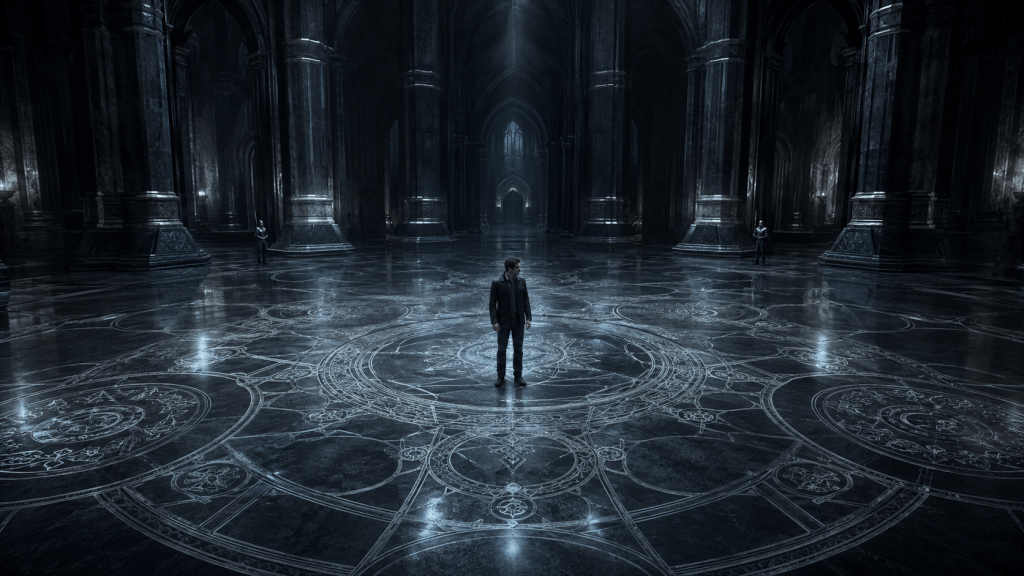
The book has disappeared. London is beyond reach. Beneath him lies an intricate inlay of unknown sigils, set within the secured foundations of a royal palace.

Silas’s displacement remains personal even as it becomes political. He has a father who expects him to return. He has a profession, a familiar city, and an ordinary life that continues somewhere beyond the crossing. The story allows that loss to remain present. His first desire is not to master the hidden realm. He wants to understand what happened and find a path home.

That human response makes him a stronger emotional anchor. Readers enter the magical civilisation through someone who observes before claiming knowledge and admits uncertainty instead of disguising it. He cannot explain the book, the crossing, or the foundation chamber. He can only describe what he saw and insist upon the limits of what he knows.

The realm, however, has little patience for an answer that leaves so much unresolved.


The Palace Foundations Receive What the Crown Never Summoned

Silas does not appear at an abandoned ruin, an unguarded border, or a forgotten doorway. He arrives inside the protected heart of royal authority.

The palace foundations are layered with ward-lines and structural sigils that should answer only to recognised invocation. Their purpose is political as well as magical. They protect Crown space, carry the weight of inherited authority, and form part of a system whose reliability has endured across generations.

Then the east quadrant records a brief deviation.

The ward-lines move away from their expected pattern before returning to stability. No physical breach is found. None of the outer seals show disturbance. No authorised ritual has been conducted. When the palace guards enter the foundation chamber, they find an unknown man standing at the centre of the inlay.

The foundations have received Silas even though the Crown never summoned him.

That detail changes the crossing from a private supernatural event into a crisis of authority. Silas may be frightened and confused, yet his confusion cannot remove the political meaning of where he has appeared. If the palace wards admitted him, either the protections have failed or they recognised something their current keepers do not understand.

Both possibilities are dangerous.

This is where The Unclassified separates itself from fantasy stories that treat arrival in another world primarily as an invitation. Silas’s crossing creates procedure, investigation, jurisdiction, and fear. The hidden realm is a functioning civilisation with laws, offices, guards, archives, councils, and competing forms of magical authority. An impossible person appearing inside its protected centre cannot remain a private curiosity.

His existence has become a matter of state before he has learned the name of the kingdom holding him.

Lirael Vaerenthis Turns Fear into Law and Procedure

Princess Lirael Vaerenthis encounters the disturbance first through a report.

Her morning begins with questions of administration, disputed authority, altered ward-stones, and the Guild’s habit of acting before consulting the Crown. She is politically trained, disciplined, and acutely aware that small procedural changes can conceal larger claims of power.

When the foundation ward-lines fluctuate, Lirael does not respond through panic or superstition. She orders a quiet inspection. She requests a physical survey independent of the magical sentinel array. She insists that even the absence of visible evidence must be recorded.

Her response reveals one of the book’s most compelling ideas: competent institutions can behave rationally and still remain dangerously incomplete.

Lirael does many things correctly. She keeps the disturbance controlled. She prevents rumours from moving ahead of evidence. When Silas is found, she orders that no harm should come to him. She provides food, water, guarded accommodation, and formal inquiry instead of allowing frightened officials to decide his fate in a corridor.

Yet every careful response places Silas more firmly inside Crown authority.

Protection and restriction arrive together. He is treated humanely, while his freedom depends upon people who cannot classify him. Lirael recognises that fear could lead to dangerous decisions, but she also knows that compassion cannot erase the security implications of his arrival.

Their first conversation carries that conflict. Silas speaks as a displaced man who wants to return home. Lirael listens as a royal official responsible for a palace whose foundations have behaved impossibly. He insists that he invoked nothing. She knows the inlay should never answer by accident.

Neither is unreasonable. Their difficulty lies in the fact that both may be telling the truth.


Seréne Vaerenthis Listens for Meaning Beneath the Stone

Where Lirael approaches the crossing through law and structure, Princess Seréne Vaerenthis approaches it through older texts and meanings that formal authority has allowed to recede.

Before she sees Silas, Seréne is studying first-generation accounts of the palace foundations. Those records describe thresholds as structures that do more than keep danger outside. They suggest the foundations were designed to sense what pressed against them and that the stones listen as well as seal.

The difference is subtle, yet it changes the meaning of Silas’s arrival.

If the foundations are only barriers, his appearance represents a failure or breach. If they possess some older responsive function, they may have admitted him deliberately.

Seréne carries this possibility into the royal hearing. She watches Silas differently from the councillors who search for deception and differently from Lirael, whose duty requires an immediate policy response. Seréne notices the effort beneath his stillness, the scholar’s bearing within his unfamiliar clothing, and the way he studies the hall as someone seeking stable ground.

Her response remains restrained. She does not declare him innocent, prophetic, or trustworthy. When asked for judgement, she says that she would hear more because the questions raised by his arrival cannot be exhausted within the first hour.

That decision establishes her place within the central character braid. Lirael gives the crisis structure. Seréne preserves the possibility that the structure itself may be based upon an incomplete understanding of the past.

Silas stands between them, unaware that their differing responses may shape far more than the terms of his confinement.
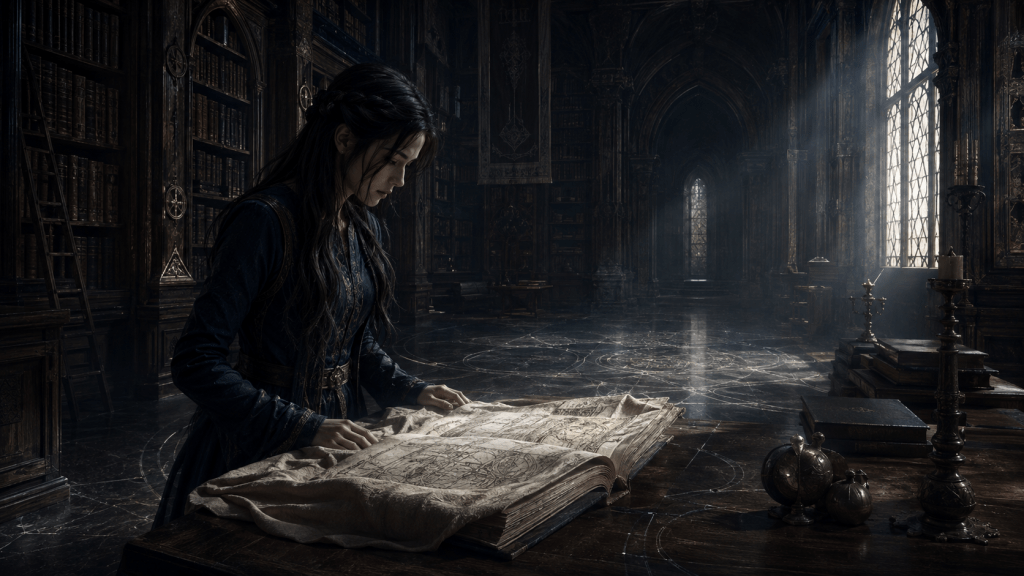

London Becomes the Impossible World Inside the Royal Hall

One of the most distinctive movements in The Unclassified occurs when Silas is questioned before the sovereign and assembled court.

From Silas’s perspective, the palace is impossible. Its sigils, ward-lines, magical foundations, ritual authority, and vast architecture belong to stories. From the court’s perspective, London is equally difficult to comprehend.

Silas describes elected officials, Parliament, written law, archives, universities, steel bridges, electrical power, and streets illuminated without flame. He explains a society where authority can be challenged through debate and where scientific systems provide functions the court associates with magic.

The exchange turns familiar modern life into a form of speculative worldbuilding.

Electricity sounds implausible to people who understand illumination through magical craft. Government without succession binding seems structurally insecure. A world that dismisses magic as fiction becomes difficult to reconcile with the man who has crossed from it through a book.

Silas cannot prove London exists. The court cannot dismiss him because its own foundations received him.

The scene allows both worlds to remain strange. Modern Britain is not treated as the unquestionably superior civilisation, while the magical realm is never reduced to an archaic kingdom awaiting modern instruction. Each possesses systems, traditions, assumptions, and forms of knowledge that the other finds difficult to accept.

Silas has crossed between worlds, yet the more significant divide may lie between the explanations each civilisation has learned to trust.


Crown and Guild Gather Around an Unclassifiable Man

The Crown can decide where Silas sleeps, who guards him, and which questions he must answer. It cannot explain why he arrived.

That limitation brings the Guild into the palace.

The Guild exists beside royal authority rather than beneath it. Its knowledge of sigils, ward-lines, and magical structures gives it a necessary role, although its independence also makes every intervention politically sensitive. Lirael already suspects the Guild of treating technical expertise as permission to act within Crown territory. Silas’s arrival gives both institutions a legitimate claim to involvement.

The sovereign therefore chooses controlled residence and supervised inquiry. Silas will be protected, watched, and questioned while Crown and Guild attempt to understand the crossing.

Then High Mage Elarion enters the hall.

His arrival carries no extravagant display. The court shifts because everyone recognises what his presence represents. The Crown possesses Silas physically, while the Guild may possess the knowledge required to interpret him. Neither institution can proceed comfortably without the other.

Silas remains at the centre while older powers arrange themselves around him.

This political tension gives the story a scale larger than its immediate events. No battle is required to demonstrate the instability beginning within the realm. The disturbance exists in jurisdiction, withheld knowledge, altered foundations, and the quiet recognition that established authorities may no longer understand the systems they govern.


The Hidden Realm Feels Like a Civilisation Rather Than an Escape

The magical realm of The Echo of Fire and Shadow is introduced through institutions and ordinary activity rather than spectacle alone.

The palace contains clerks, petitioners, ledgers, archivists, servants, maps, formal hearings, restricted libraries, administrative chambers, and layers of working authority. People dispute grazing rights and river levies while ancient ward-lines rest beneath their feet. Political life continues around magic because magic has already become part of civilisation.

That approach gives the hidden realm credibility.

Silas has not entered a decorative medieval landscape waiting for an outsider to transform it. He has entered another form of organised society, one whose magical systems have shaped government, architecture, security, communication, and inherited law. Its people possess knowledge he lacks, while remaining blind to possibilities their own history may have concealed.

The palace itself becomes part of the story’s pressure. Its foundations hold older meanings. Its corridors control movement. Its great hall converts uncertainty into judgement. Its libraries preserve versions of history that official doctrine has narrowed over time.

Nothing has visibly collapsed by the end of Book One. The palace still stands. The ward-lines remain intact. The sovereign has issued a measured decree. The Guild has been called.

Yet the civilisation has been forced to acknowledge a man who should never have reached its centre.


Three Perspectives Surround a Single Unanswered Crossing

The story moves through Silas, Lirael, and Seréne because no single perspective can contain what has happened.

Silas gives the crossing its human cost. He remembers London, his father, the conservation studio, and the ordinary certainty of a world where pages remain pages.

Lirael reveals the political consequences. She understands that an unexplained person inside royal wards may create fear, rumour, and institutional conflict long before anyone discovers the truth.

Seréne senses the historical depth beneath the event. She recognises that the foundations may carry meanings that modern authority has preserved imperfectly.

Together, their viewpoints create a character-driven epic fantasy in which mystery develops through interpretation. The central question is larger than identifying who opened the passage. The deeper pressure comes from the different meanings attached to Silas before anyone has truly learned who he is.

To himself, he is a conservator who fell through a book.

To the Crown, he is an uninvited presence inside protected space.

To the Guild, he may be evidence of a magical event outside recognised boundaries.

To Seréne, he may be connected to something the foundations remembered even after the realm forgot.

Each interpretation brings consequences, and none yet provides an answer.


Epic Fantasy Built from Restraint, Memory and Political Consequence

The Unclassified will appeal especially to readers who enjoy atmospheric epic fantasy, hidden magical realms, ancient books, royal politics, magical institutions, slow-burn character development, and mysteries that widen through consequence instead of immediate explanation.

Its tension comes from competence meeting the impossible. Silas behaves intelligently. Lirael responds responsibly. The sovereign maintains order. Seréne refuses premature certainty. The Guild arrives when its expertise becomes necessary.

The danger persists because sensible decisions cannot resolve a truth that lies outside the systems making them.

This gives the opening of The Hollow Flame Cycle its particular identity. Magic is never presented as a convenient route to effortless power. Authority is neither foolish nor all-knowing. History is preserved, although preservation cannot guarantee that its meaning has survived intact.

At the centre remains Silas Thorn, a quiet man from London whose professional life has taught him that old damage must be handled carefully. He has now entered a realm shaped by an ancient history that may recognise him before he can recognise anything within it.


Begin The Hollow Flame Cycle with The Unclassified
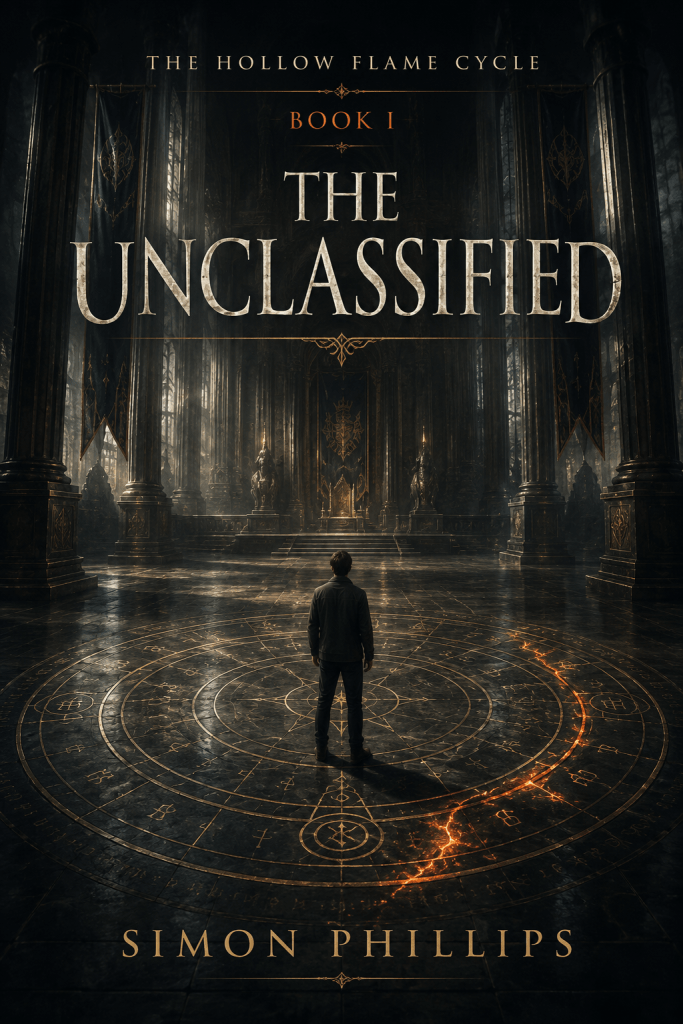
Book One closes its immediate movement with Silas contained, protected, watched, and surrounded by questions. The Crown has acted. The Guild has entered the palace. Lirael has imposed structure. Seréne has begun looking beneath the official explanation.

The crossing remains unresolved.

Readers can begin The Echo of Fire and Shadow through The Unclassified: A Story from The Hollow Flame Cycle on Amazon Kindle.

The story begins with an old book beneath a conservator’s hands, yet its true disturbance reaches far beyond the page. A hidden realm has received someone it never summoned, and the institutions built to control magical uncertainty must now decide whether Silas Thorn represents a breach, a warning, or the return of something their own history no longer knows how to name.
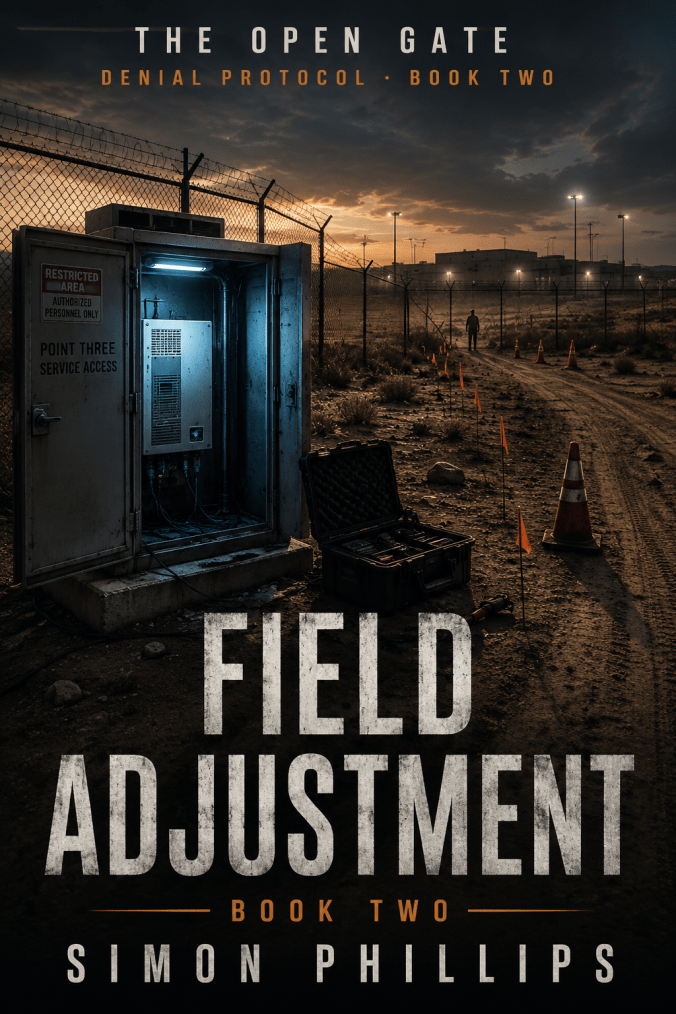
Field Adjustment: Dimensional Horror and Institutional Denial in The Open Gate Book Two

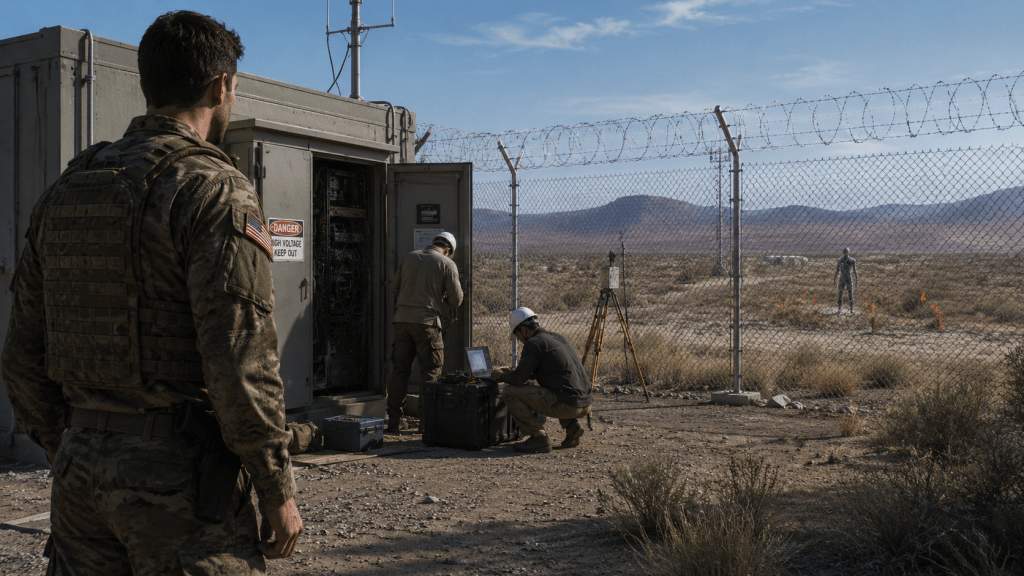
A faded perimeter cabinet, three contractor vehicles and a sealed equipment case should amount to an ordinary maintenance assignment inside a restricted government installation. The paperwork certainly presents it that way. The work has been authorised as a perimeter reliability upgrade, involving sensor replacement, route clearance and contractor support. Every phrase is clean, practical and reassuring.

The equipment begins responding before it has been connected.

That narrow division between what people physically experience and what an institution is willing to record is where Field Adjustment begins to tighten. Book Two of The Open Gate develops its dimensional horror through military procedure, controlled journalism and compartmentalised scientific work, allowing the danger to advance without abandoning the recognisable world surrounding it.

Buildings remain open. Roads continue carrying traffic. Reports are completed, visitors receive badges, researchers correct models and soldiers follow orders. The system does not fail in a sudden, dramatic collapse. It adapts to the contradiction, absorbs it into approved language and continues working.

For readers drawn to slow-burn science-fiction horror, restricted research facilities, institutional secrecy and unsettling events that resist easy explanation, Field Adjustment is available as an ebook through Amazon UK.


When an Anomaly Becomes a Management Problem

Prior Condition, the opening book in The Open Gate, established a world in which several people began noticing details that did not fit the explanations surrounding them. Ethan Ward encountered physical unease along the facility perimeter. Maya Ward gathered civilian reports that appeared ordinary until placed beside one another. Dr Adrian Hale completed technical corrections without being shown the larger system receiving them.

Those contradictions could still be treated as isolated problems. A camera failed because of interference. A power dip belonged to the local grid. A strange movement near a fence could be heat distortion. An unusual data spike remained within tolerance once the model was adjusted.

Field Adjustment begins after the institution has decided that these irregularities require a response. That response is not public acknowledgement, evacuation or even meaningful caution. Contractors are sent to replace perimeter equipment. Access routes are controlled more carefully. Public affairs offers a managed display of transparency. Scientific work moves into more restricted rooms.

The danger has become consistent enough to require action, yet the language surrounding that action continues to deny what the response itself reveals.

This is one of the book’s most effective tensions. The facility behaves as though everything remains under control precisely because it has developed procedures for dealing with events it cannot openly describe. Strange behaviour becomes field variance. A troubling visual becomes a monitoring discrepancy. Removal from duty becomes fatigue management. Professional suppression becomes concern for access terms and visitor safety.

The wording is plausible in every individual situation. Taken together, it begins to reveal an institution constructing an alternative version of reality while the physical world continues pressing against it.


Ethan Ward and the Failure of the Official Record

Ethan experiences the crisis through military routine. His task is to escort contractors along the eastern service route while they replace equipment at several perimeter points. He checks badges, watches tools, monitors movement and keeps the work within the boundaries established by the assignment.

His role does not require him to understand what the contractors are installing. It requires him to keep people where their clearance permits them to stand.

This makes him especially effective as the soldier perspective. Ethan is not presented as a conventional action hero waiting for permission to fight. He is competent, observant and accustomed to treating the perimeter as a sequence of practical responsibilities. He knows how many people should be present, where they should be standing and what the ground normally feels like beneath a military vehicle.

When the equipment reacts too early, static touches exposed skin and vibrations move beneath the service road, his experience tells him that something has changed. The institutional response tells him that the work remains routine.

The conflict becomes more serious when Ethan’s own sight contradicts the monitoring system. He sees something within a restricted area where nobody should be present. Davis, his patrol partner, sees enough to know that Ethan is not simply inventing the experience. Yet the official response remains unchanged: monitoring shows clear.

That phrase carries greater force than an overt threat would have done. Ethan has followed procedure. He has reported what he witnessed. Another soldier has partially confirmed it. The institution does not accuse him of lying, nor does it begin an obvious cover-up in front of him. It simply places the monitoring record above the people standing on the ground.

Ethan’s growing distrust emerges from that difference. He knows what he saw, but he also knows how easily an incident disappears once it has been given an acceptable description. His military training allows him to recognise physical danger, while the system around him is designed to prevent that recognition from becoming institutional knowledge.


Maya Ward and Transparency as a Form of Control

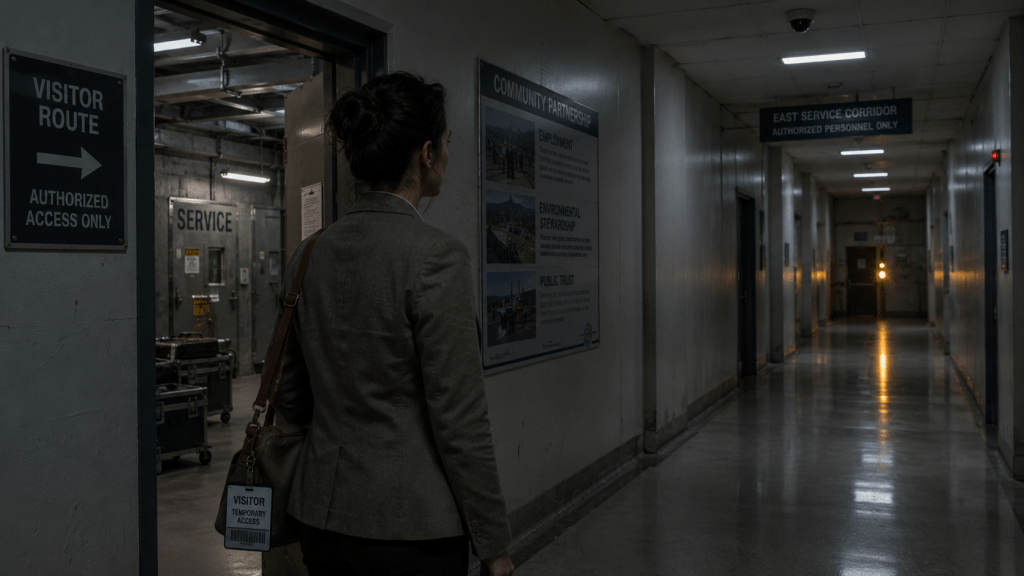
Maya enters the facility through an entirely different route. Where Ethan carries military clearance, Maya receives a visitor badge and a sanctioned public-affairs tour. Her editor presents the opportunity as the access she has been requesting, but the permitted story has already been defined: employment, community partnership, environmental monitoring and public trust.

The facility does not conceal its existence from her. It displays selected parts of itself.

That distinction is central to Maya’s section of the book. The visitor route is polished, carefully managed and filled with language designed to demonstrate openness. Public-affairs staff answer questions, explain environmental programmes and guide local representatives through approved corridors. Screens show maps, measurements and civic information. The tour appears to offer transparency because everything visible has been prepared for visibility.

Maya notices the working edges around that performance. A route changes without explanation. Staff members move with controlled urgency. Internal wording briefly appears on a public display. Radio traffic refers to the east service corridor, visual clearance and the need to keep visitors away from a particular area.

Her investigation does not depend upon hacking systems or performing exaggerated acts of espionage. She listens, notices the physical structure of the building and recognises when the official tour begins moving around something it has not acknowledged.

When she steps outside the visitor route, the institutional response is swift and remarkably calm. Her movement becomes a route exception, then an operational concern, then a media-conduct issue. Public affairs reaches her editor before she has fully left the site. Her access is not merely withdrawn; it is used to undermine the credibility of anything she may have observed.

The suppression works because it remains professionally believable. Her editor faces legal, financial and access pressures. The facility can claim that Maya violated the agreed route. She possesses fragments rather than publishable proof. The truth is not disproved. It is made unusable.

Maya’s response gives the book one of its most important human developments. When official channels can no longer hold what she has witnessed, she begins preserving it privately. Journalism has not ceased to matter to her, but publication is no longer the only measure of whether a record should exist.


Adrian Hale and the Danger of Successful Science

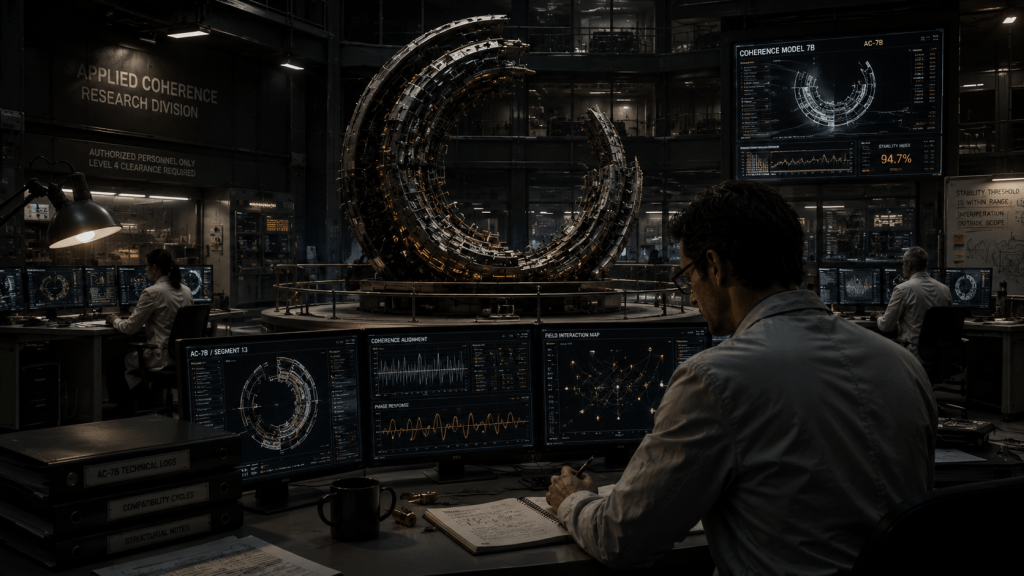
Dr Adrian Hale experiences the same pressure from inside the scientific system. His technical ability has already made him valuable. A correction he completed in the earlier book has held under further load, leading the facility to transfer him into Applied Coherence, a deeper and more restricted section of the research programme.

The move appears to be professional recognition. Adrian receives new access, more complex models and work that better suits his abilities. Every reward also reduces his understanding of the whole.

He is shown a larger structure while being assigned a smaller permitted portion of it. His notes must remain structural. Interpretation sits outside his scope. Wider questions are redirected towards local tolerances, compatibility cycles and managed ranges.

Adrian’s danger does not arise from recklessness or cruelty. It arises from competence separated from moral context.

He can identify where a model is correcting too late. He can refine a threshold, stabilise a segment and improve the way different systems respond to one another. The facility does not need to force him into obvious wrongdoing. It gives him a problem that can be solved and withholds the meaning of the system that benefits from the solution.

This makes the scientific thread particularly unsettling. Failure might have forced the programme to stop. Adrian’s success allows it to continue.

The institutional structure rewards that success with deeper access and further responsibility, even as the language around him grows narrower. Another researcher, Nolan Vale, begins asking questions that move too close to interpretation. His concern is not treated as a scientific debate. It becomes an access matter, a personnel movement and a quiet reassignment.

The work continues around his absence.


The Quiet Violence of Institutional Language

Institutional horror is often most convincing when nobody believes they are behaving like a villain. Field Adjustment builds its pressure through ordinary people fulfilling professional roles.

The shift officer accepts the monitoring record because that is the authorised version available to him. The personnel officer processes leave through welfare language. Public affairs protects access agreements and controls the organisation’s public exposure. Maya’s editor attempts to protect the newspaper from a confrontation it cannot afford. Researchers keep their notes within permitted scope. Contractors finish the installation because their responsibility ends at the equipment.

Each decision can be defended locally.

The horror emerges from the combined result. A figure can be witnessed and removed from the record. A reporter can be invited inside and professionally discredited for seeing beyond the presentation. A scientist can recognise structural instability and be rewarded for making the system accept it.

Nobody needs to announce a conspiracy. The organisation’s existing incentives produce the necessary silence.

This gives Field Adjustment a distinctive place within institutional science fiction. It is concerned with how organisations protect continuity before truth, particularly when admitting the truth would require them to question the work, authority and assumptions upon which the organisation depends.

The language does not merely conceal the crisis from outsiders. It allows the people inside the system to continue participating without having to confront the full meaning of their actions.


Dimensional Horror Rooted in Physical Experience

The dimensional horror of The Open Gate does not depend upon a bright portal opening above the facility or a clearly identified creature stepping into view. Its force comes from familiar spaces behaving incorrectly.

Equipment wakes before receiving the signal expected to activate it. Dust moves where the air remains still. Static is felt through gloves and clothing. A low vibration travels through a vehicle after the engine has stopped. Human-shaped forms remain visible long enough to resist dismissal, while refusing to resolve into something the witnesses can confidently name.

These effects remain close to the body. Ethan feels them through his boots, hands and jaw. Maya experiences them through floors, walls, sounds and changes in controlled movement around her. Adrian encounters them through models whose behaviour implies a structure larger than the one he has been permitted to see.

The separation between the three perspectives allows the reader to recognise connections that none of the characters can yet confirm. What appears at the perimeter has a technical reflection inside the laboratory and an institutional reflection within the visitor route. Each part remains incomplete, which preserves the uncertainty without making the story arbitrary.

The series does not ask the reader to accept that everything is inexplicable. It shows people repeatedly encountering evidence that their current explanations are too small, then continuing to use those explanations because no authorised replacement exists.


A Facility Built from Ordinary Systems

The unnamed installation occupies a remote, dry region of the American Southwest, where isolation supports both the physical work and the public denial surrounding it. Its atmosphere is constructed from service roads, fences, guard posts, concrete pads, low buildings, monitoring cabinets, security desks, laboratories and controlled corridors.

Nothing about the facility resembles a theatrical villain’s headquarters. It feels funded, functional and accustomed to processing risk.

That ordinariness is essential. A more visibly sinister place would warn everyone entering it that something was wrong. The installation in Field Adjustment relies upon recognisable systems whose familiarity reassures the people using them. Badges open the correct doors. Forms record movement. Screens display authorised information. Staff members redirect visitors politely. Work continues beneath fluorescent lighting.

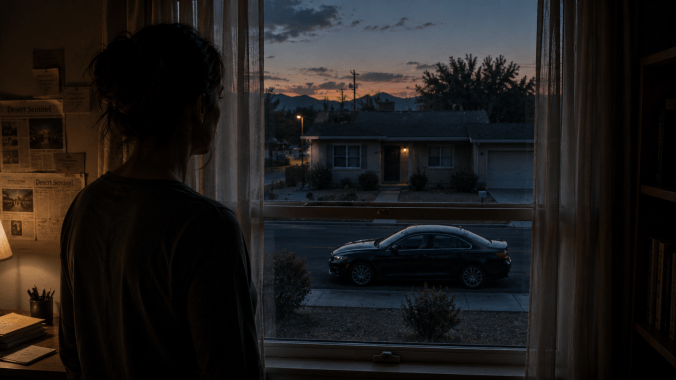
Beyond the facility, the town provides a civilian reflection of the same pressure. Local advisories, bar conversations, changing animal behaviour and small disturbances remain easy to dismiss as separate issues. People continue going to work, meeting friends and returning home because nothing has yet provided a socially acceptable reason to stop.

The boundary therefore becomes more than the perimeter fence. It moves through professional access, approved terminology, bodily sensation and domestic space. By the time the characters begin recognising that movement, the system has already adjusted around them.


Why Book Two Deepens The Open Gate

Field Adjustment does not repeat the opening pressure of Prior Condition. It changes the nature of that pressure.

The first book allowed contradictions to appear. Book Two shows the institution responding to them. That progression gives the story momentum without rushing towards open collapse or easy revelation. The reader learns more about how the pieces connect, while the deeper cause remains unresolved.

Ethan becomes a witness whose report cannot survive the system recording it. Maya discovers that access can be another method of restriction. Adrian moves closer to the centre of the work while receiving less freedom to interpret what he sees.

Their stories do not converge through a convenient exchange of information. They remain divided by professional roles, restricted knowledge and the damaged intimacy of Ethan and Maya’s marriage. The reader occupies the uncomfortable space between those fragments, aware that the same event is being managed through several different institutional layers.

For readers who prefer science-fiction horror driven by atmosphere, psychological pressure and accumulating consequence, this structure offers a more sustained form of unease than immediate spectacle. The danger grows because people continue doing their jobs well.


A Story for Readers Who Prefer Dread to Spectacle

Field Adjustment will particularly suit readers interested in dimensional horror, secret research facility fiction, military science-fiction suspense, investigative science fiction and stories about scientific responsibility.

Its military elements concentrate on routine, observation and the limits of procedure rather than combat fantasy. Its journalistic thread examines credibility, professional containment and the difficulty of publishing evidence that remains fragmented. Its scientific thread explores the danger of technical success when nobody is permitted a complete moral view of the work.

The horror remains restrained, but the restraint does not make it slight. It allows each detail to remain close enough to ordinary life that dismissal feels possible. The reader understands why the characters continue, even as each continuation carries them deeper into a system that has begun changing the conditions around them.

Field Adjustment is Book Two of The Open Gate and follows the events of Prior Condition. Readers returning to the series will find the pressure widening across the perimeter, newsroom, laboratory and home. New readers will encounter a grounded adult science-fiction horror series in which institutional confidence survives longer than the explanations supporting it.

The facility remains operational. The reports remain controlled. The adjustment has been confirmed, and the boundary has already moved beyond the place where anyone expected to contain it.

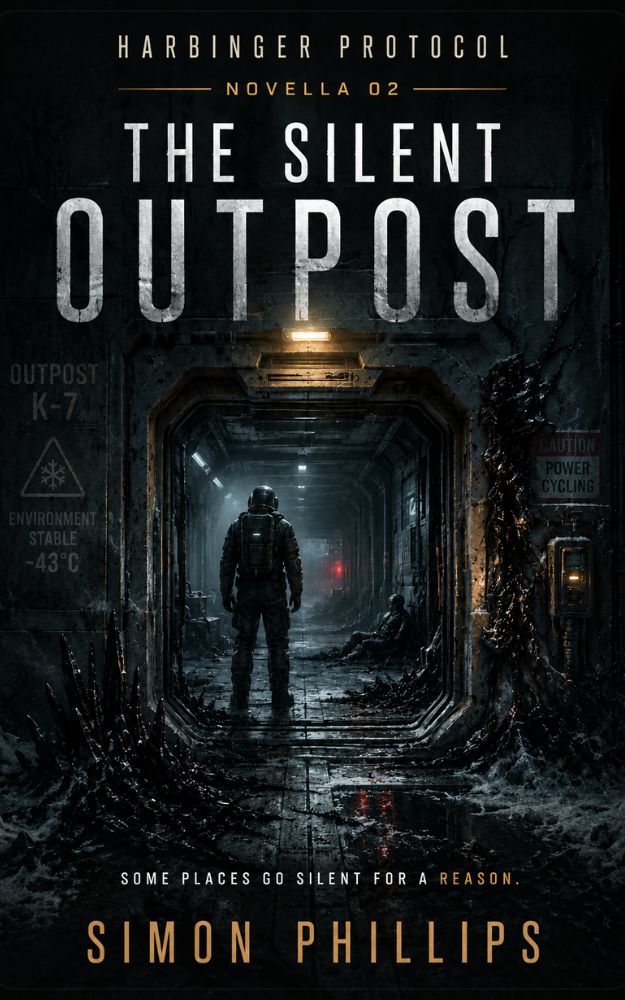
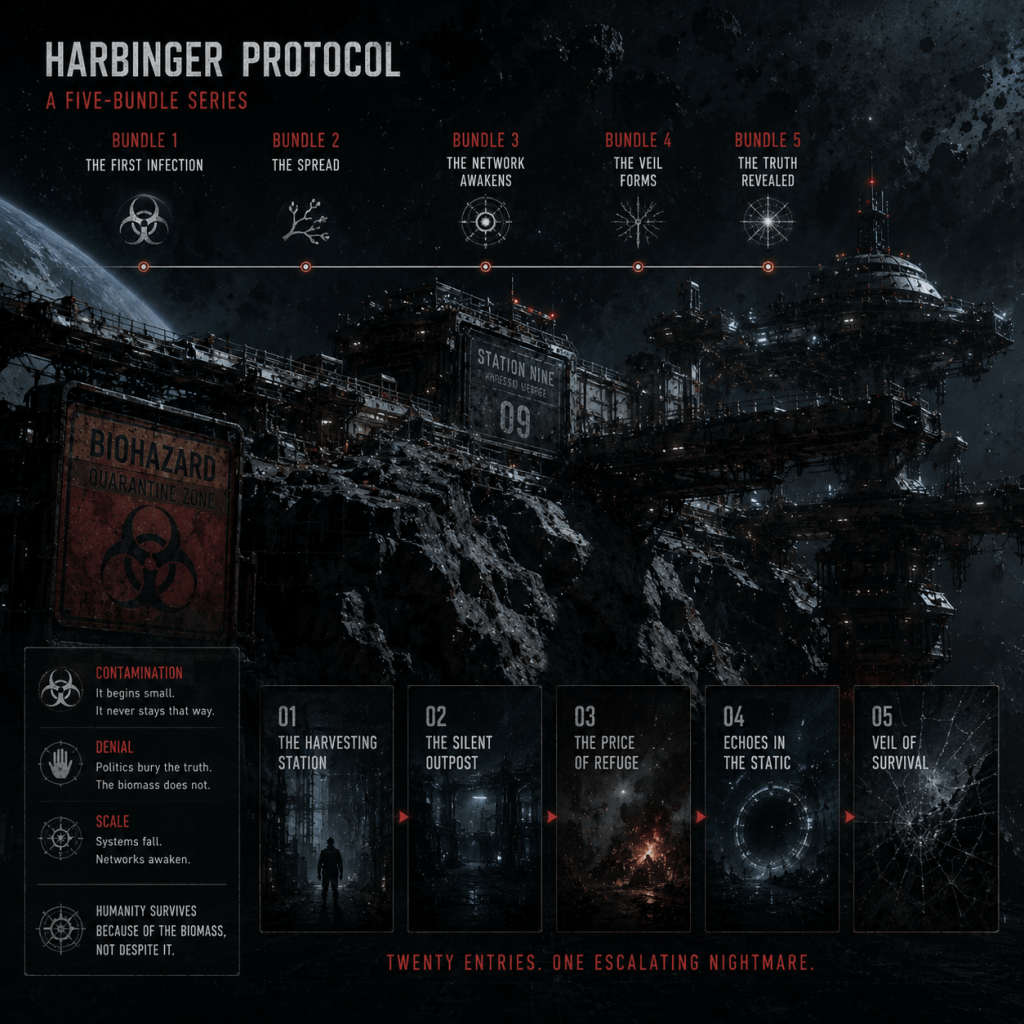
The Silent Outpost: Sci-Fi Horror, Biological Contamination, and the Collapse of Trust in Harbinger Protocol


When a Station Stops Behaving Like a Station

A station under quarantine should be quiet in a way people understand. Doors should remain sealed. Power should stay low. Emergency lights should mark safe routes through dead corridors. The silence should feel like failure, damage, or abandonment.

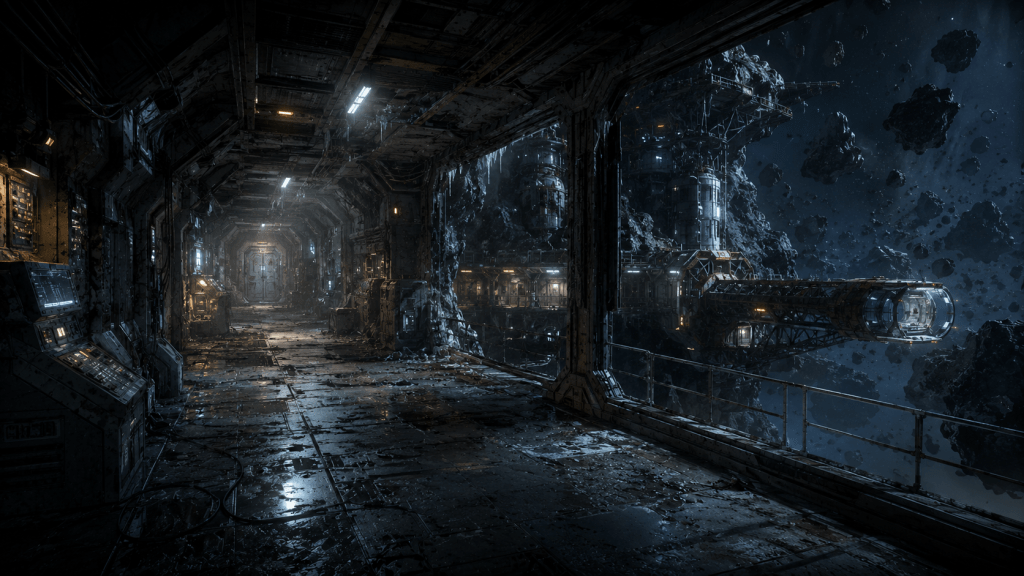
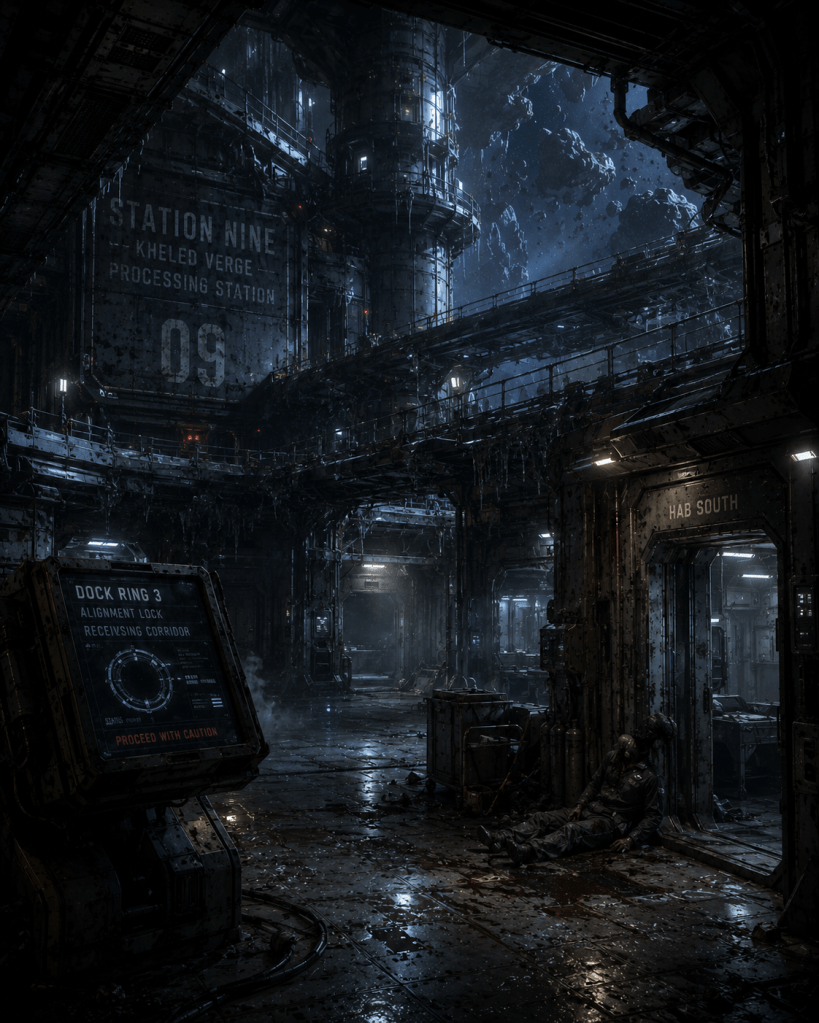
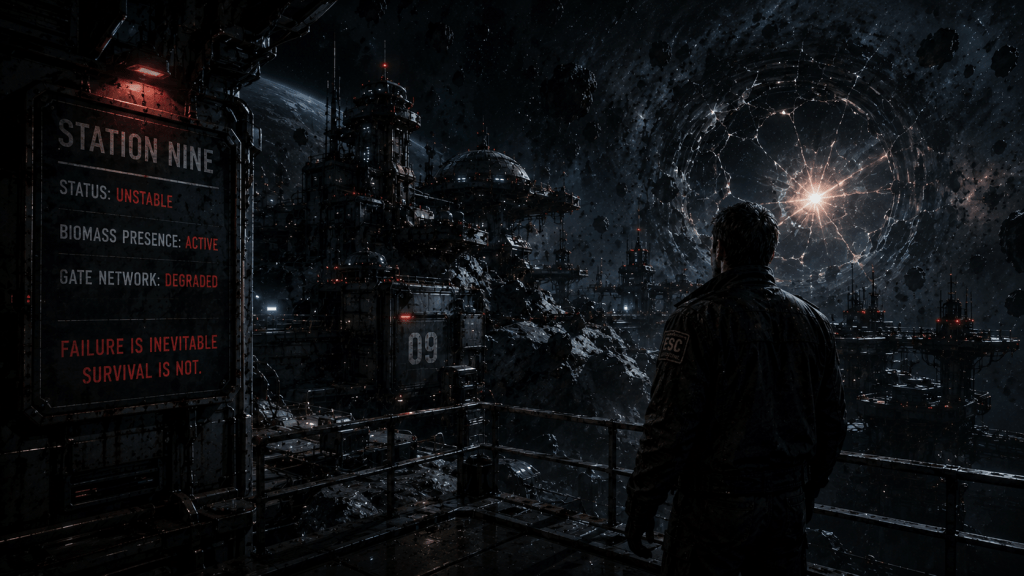
In The Silent Outpost, the second entry in Harbinger Protocol, silence becomes something more dangerous. Kheled Verge Processing Station Nine is cold, partially powered, and almost still when the ESC investigation team arrives. Its docking arms hang in interrupted motion. Its work lights have failed in broken sequence. Maintenance equipment remains suspended mid-task. The place appears paused, as though the ordinary life of an industrial outpost has been held in place by something that has learned how stations breathe.

This is where the series widens from isolated shipboard sci-fi horror into something larger. The first incident aboard the Red Titan left Soren Vale as a survivor. The second places him inside an institution trying to decide whether truth should be spoken plainly, delayed until it becomes useful, or shaped into language that can survive politics.

For readers looking for atmospheric science fiction horror, space station horror, biological contamination sci-fi, and a darker kind of interstellar political thriller, The Silent Outpost marks the moment Harbinger Protocol begins to show its wider shape.

Read The Silent Outpost on Amazon Kindle


Soren Vale and the Weight of Surviving Twice

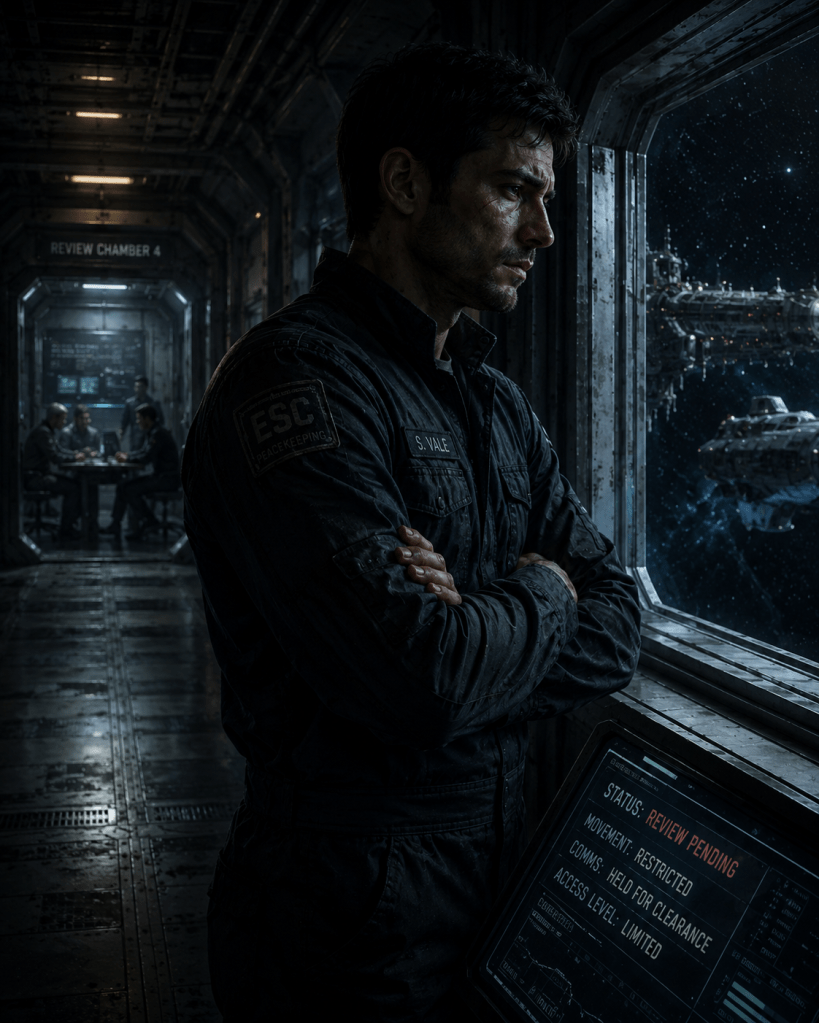
Soren Vale enters this novella in a cleaner kind of captivity.

He is aboard the ESC Peacekeeping Cruiser Leda Ark, safer than he was on the Red Titan, yet far from free. His movement is limited. His communications are held. His memories have become evidence. The institution around him speaks in careful phrases: protective review, pattern integrity, operational legal oversight, acoustic artefacts. Each term carries part of the truth, yet none of them can hold the shape of what he lived through.

That is one of the most important pressures in Harbinger Protocol. The horror is biological, industrial, and cosmic in its eventual reach, though it first enters through administration. Somebody has to classify the event. Somebody has to decide which words can be released. Somebody has to ask whether panic, sovereignty, route control, and treaty law are more dangerous than the thing moving through ducts and cargo bays.

Soren’s usefulness becomes a second form of custody. He notices patterns before committees are ready to name them. He recognises that wrongness can travel through air systems, power routes, warm compartments, and human assumptions. The ESC needs that instinct. It also needs him contained.

In many science fiction horror stories, the survivor becomes the hero who knows the truth and forces the world to listen. Harbinger Protocol takes a colder path. Soren is believed just enough to be used, controlled just enough to be kept close, and trusted only when his fear becomes operationally useful.


Station Nine and the Horror of Working Systems

Kheled Verge Processing Station Nine is not a gothic ruin in space. It is an industrial place. Ore systems, docking rings, maintenance spines, habitation blocks, control boards, pressure doors, service trunks, coolant lines, and emergency fallback systems form its body. That practicality matters.

The terror in The Silent Outpost comes from systems that almost behave correctly.

Dock Ring Three still answers, although weakly. The receiving corridor shows no grand destruction. Tools remain where workers left them. The first evidence of contamination appears in pale ribbed accretions on metal surfaces, hatch frames, vent housings, and equipment. It could be coolant residue. It could be mineral deposition. It could be a station ageing badly in deep cold.

Then Hab South changes the meaning of the place.

The dead are found near vents and service grilles. Some stand with hands against the metal. Others sit with faces angled upward, as if listening. There is no visible violence. No clear attack. No easy monster to blame. The bodies have been preserved by cold and arranged by behaviour. Something in the station made them listen long enough to die.

The voice-like sounds that follow are central to the series. They are not true speech in a simple sense. They are damaged systems, airflow, corrupted buffers, acoustic memory, and the human mind reaching for pattern. Yet that distinction offers no comfort. A false plea can kill as effectively as a real one when people are trained to answer distress.

A station does not need to become alive to become dangerous. It only needs to become trustworthy in the wrong places.


Biological Contamination That Uses Human Procedure Against Itself

The biomass threat in Harbinger Protocol is frightening because it does not behave like a simple alien invader. It is reactive, environmental, and tied to physical conditions: heat, power, airflow, oxygen, pressure, electromagnetic fields, and the infrastructure humans depend on.

That makes every sensible action dangerous.

A dark station must be investigated. Evidence must be recovered. Survivors may be trapped in sealed compartments. Life support might matter. Operations archives could explain what happened. A controlled systems wake seems reasonable. It is exactly the kind of careful, professional decision an ESC field team would make.

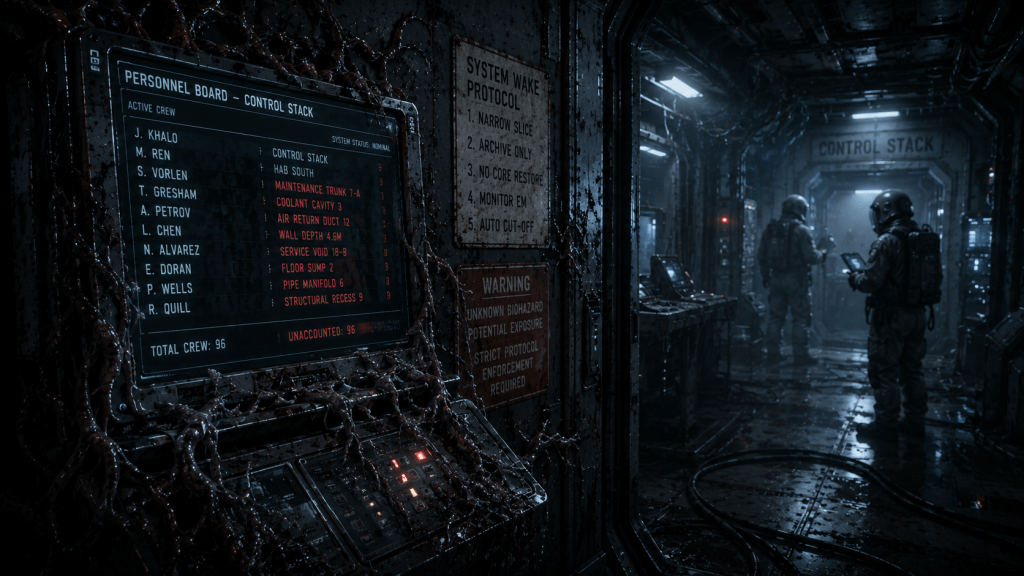
In The Silent Outpost, Kell attempts a narrow slice wake inside Control Stack. The intention is precise: operations archive and environmental board only, no station-wide restoration, no refinery systems, no heavy motors. Procedure is followed. Caution is present. Nobody behaves like a fool.

The station answers anyway.

Lights slam awake. Air handlers roar. Pressure doors cycle across the structure. Old announcements burst through speakers. Dead routines return in fragments. The outpost, once cold and held down, finds pathways through the very systems designed to reveal it.

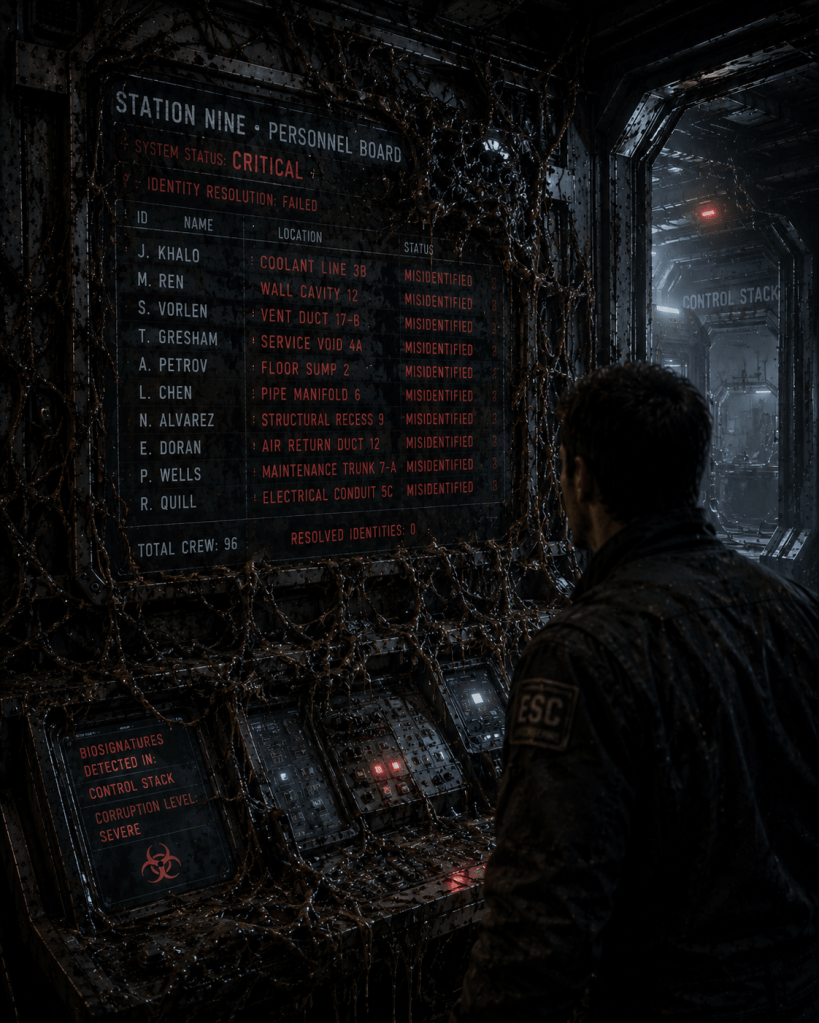
This is where the novella deepens its biological contamination horror. The danger is not merely infection. It is infrastructure conversion. The station’s systems begin to blur human presence, ducting, wall cavities, coolant routes, service voids, and crew identifiers until the personnel board can no longer separate bodies from structure.

Thirty-two becomes sixty-four. Then ninety-six. Then zero.

That simple numerical corruption is one of the most unsettling images in the novella because it makes bureaucracy itself part of the horror. The system still counts. It simply no longer understands what a person is.


The Personnel Board and the Fear of Becoming Infrastructure

The corrupted personnel board is the central horror image of The Silent Outpost.

A crew roster should be one of the most human systems aboard a station. It tells command who is present, where they are working, which sectors are occupied, who may still need rescue, and who may already be gone. It is a tool of accountability.

On Station Nine, that tool breaks in a way that feels worse than silence.

Crew names appear in ducts, coolant cavities, wall depth, floor sumps, service voids, and processing infrastructure. The system sees occupied space where there should be only pipes and structural cavities. Whether the readout is literal, corrupted, or some terrible combination of both, the emotional effect is clear. The station has stopped recognising the difference between its workers and its own body.

This is also where Soren’s pattern recognition becomes essential. He understands that the contamination followed air routes. Cold slowed it. Power restored movement. The wake allowed the station to read what it had already begun to absorb, overwrite, or misunderstand.

The result is not spectacle. It is a quiet, industrial nightmare. A man does not fear being eaten by a monster. He fears being placed inside the walls and misread as part of the station.

That fear becomes human through the infected marine, whose glove breach turns a small field accident into a containment crisis. The infection follows warmth, suit seams, skin, fabric, and deck contact. Cold suppression slows it, yet the team understands the cost of trying to carry him further. His plea not to be left where the station can “put” him in the walls gives the entire outpost a human centre.

Containment, in this universe, rarely feels clean.


The ESC, Quarantine, and the Politics of Naming Disaster

The Earth Strategic Coalition is powerful, disciplined, and capable of rapid action. It also works inside a human civilisation fractured by treaties, rival governments, trade routes, sovereignty claims, and competing narratives.

That is why The Silent Outpost is more than space station horror. It is also political sci-fi horror.

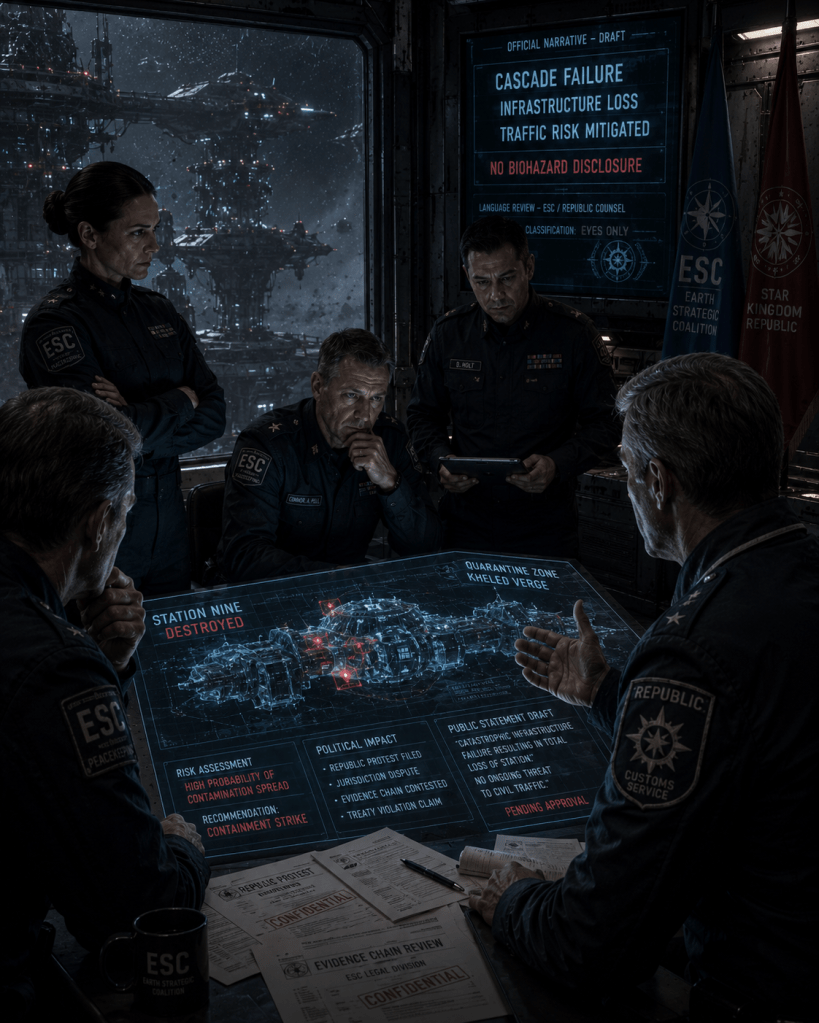
The ESC can send a team. It can freeze a lane. It can order a containment strike. Yet every action becomes evidence in someone else’s accusation. The Republic contests custody, access, survivor handling, route authority, and strike justification. A dead outpost becomes a diplomatic event. A contaminated fragment becomes a border crisis. A docking signal becomes a legal trap as much as a biological one.

The station’s docking shell creates one of the novella’s most dangerous pressures. Once Station Nine begins broadcasting live docking guidance, the threat moves beyond the interior. Any Republic cutter, ore hauler, emergency responder, or salvage vessel that trusts the beacon could open a clean path through contamination and carry it back into traffic.

That is the real horror of beacon trust. Civilisation depends on systems answering correctly. Ships follow guidance. Docking rings identify traffic. Emergency signals draw help. In Harbinger Protocol, those habits become vectors.

The containment strike that destroys Station Nine is swift, grim, and politically explosive. It is not a victory. It is an institutional wound. The outpost is erased because leaving it standing may spread the threat further, and the aftermath immediately becomes a fight over language.

Cascade failure. Infrastructure loss. Traffic risk.

The words are true enough to survive. They are also too clean to carry what happened.


A Series Built on Contamination, Denial, and Scale

Harbinger Protocol works because its escalation is controlled. The early horror remains grounded in freight corridors, sealed compartments, industrial stations, damaged telemetry, and official caution. The series does not rush towards cosmic revelation. It lets the reader feel how a civilisation fails to recognise collapse while its systems still appear to function.

The Silent Outpost moves the saga from the Red Titan’s isolated shipboard nightmare into a wider pattern of station-scale contamination, political pressure, and institutional dependence. Soren Vale becomes the continuity anchor between events. The ESC becomes both protector and jailer. The biomass remains strange, reactive, and deeply tied to the environments humans have built around themselves.

This is adult science fiction horror rooted in procedure, pressure, and consequence. Its fear comes from the gap between what people see and what institutions can say. It belongs to the same family as space survival horror, cosmic horror science fiction, quarantine fiction, and industrial sci-fi horror, yet its centre remains human. People still make tea. Officers still argue over phrasing. Crew still answer voices in vents because the voice sounds close enough to need help.

A short visual reading connected to the novella is also available here:


Where the Next Failure Begins

By the end of The Silent Outpost, Station Nine has fallen. The report has begun to change. Soren remains under provisional attachment. The ESC has survived one immediate containment crisis, yet the political cost is already moving faster than the language built to contain it.

A Star Kingdom patrol and a Federation salvage convoy are drawing towards confrontation over contaminated debris. Each side sees the other through suspicion before either fully understands the object between them. The biomass no longer needs to attack. Human systems are carrying it outward through fear, ownership, law, salvage rights, and accusation.

That is where Harbinger Protocol finds its most unsettling pressure. The crisis spreads through matter, yes, yet it also spreads through delay. Through the need for proof. Through the instinct to rescue. Through governments protecting territory. Through commanders trying to hold routes open for one more hour. Through the dangerous belief that a station, a ship, a beacon, or a report can still be trusted because it looks familiar from the outside.

The outpost is gone.

The pattern remains.

And somewhere beyond the next quarantine line, another system is still answering.

Sci-Fi Noir on Ashfall Station: Crime, Fleet Control, and The Dead Girl in Sector Twelve


Crime Beneath the Station Lights

Ashfall Station kept its corridors lit because darkness made people ask questions.

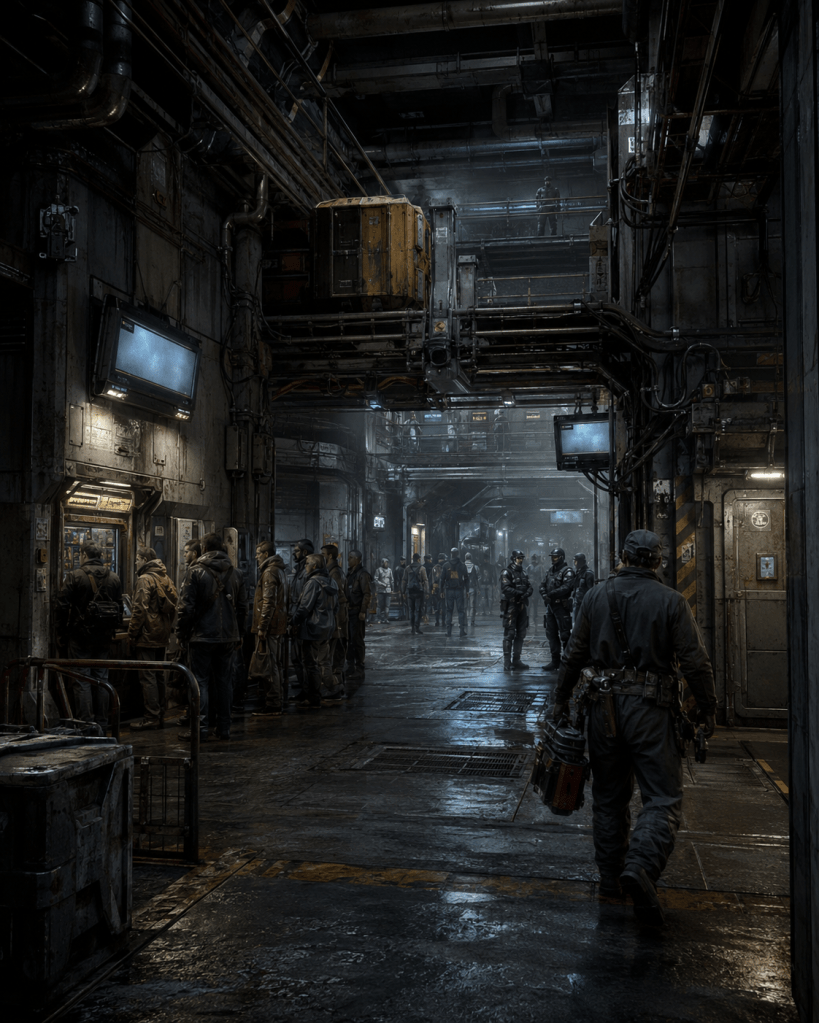
The light was rarely clean. It came from failing strips fixed into patched ceilings, from public screens rolling calm station updates over ration queues, from warning panels that flickered above bulkhead doors which sealed too slowly during drills and too quickly during unrest. Every surface carried the memory of pressure. Scratched metal. Repaired seams. Old stains worked into floor plating by boots, coolant, and time.

For readers entering a sci-fi noir novella, that kind of world matters. A crime aboard a space station only carries weight when the station itself has something to hide. Ashfall Station is built around that pressure. It is an orbital place of work, scarcity, surveillance, and exhausted routine, where a death can be filed as maintenance failure before anyone has finished looking at the body.

That is where Ashfall Files begins.

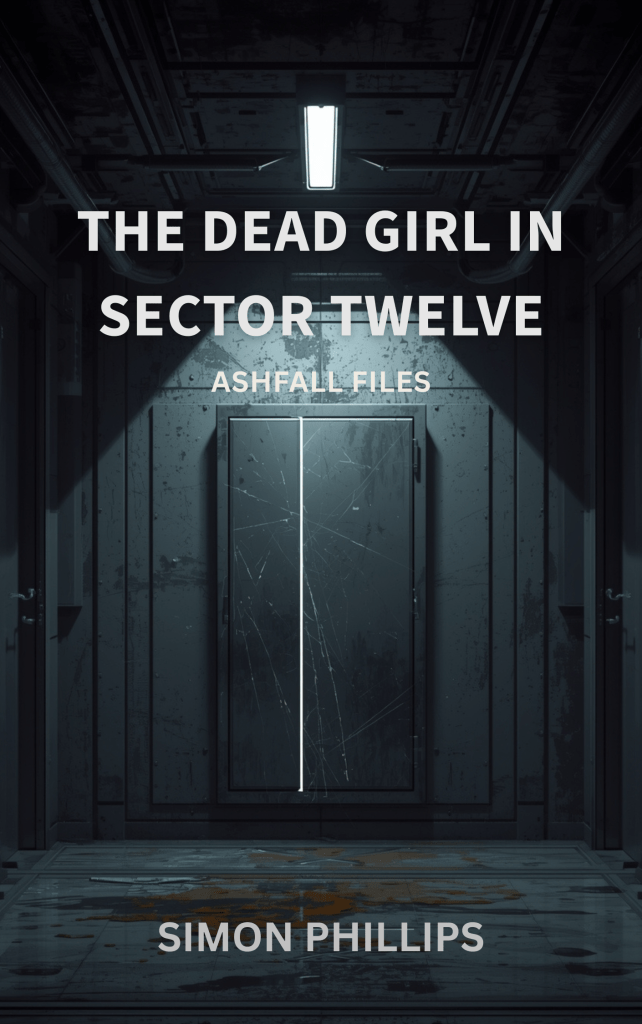
The first case, The Dead Girl in Sector Twelve, opens the door into an atmospheric sci-fi noir world shaped by crime, rationing, damaged infrastructure, official silence, and the slow corrosion of trust. It is a space station crime thriller built around investigation rather than spectacle, where one body in a ventilation shaft reveals more about the system around it than the system is willing to admit.


When a Body Becomes a Question

A failing station teaches people to lower their expectations before it teaches them to survive.

On Ashfall, power dips are routine until they happen at the wrong moment. Missing camera feeds become technical faults until they protect the wrong person. Records vanish into administrative language. Witnesses remember enough to be frightened, then stop speaking before a name leaves their mouth.

That is the central pressure of the series. Crime on Ashfall Station grows from scarcity and neglect. People steal ration tokens because water has value. They lie to security because truth carries cost. They move through half-lit service corridors because official routes belong to patrols, supervisors, cameras, and Fleet oversight. Every investigation becomes a study of how people behave when survival has narrowed their choices.

The noir element emerges through that moral compression. Ruff Kale, the detective at the centre of the Ashfall Files, understands the station too well to trust its explanations. He knows how quickly a report can soften a death into an incident. He knows the difference between disorder and arrangement. He knows silence when it has been trained into a room.

Lena Marik enters the case with procedure, discipline, and a belief that careful work still matters. Her presence gives the investigation its second pressure point. She records, checks, documents, and follows the lines the system claims to respect. The case teaches her what happens when those lines lead directly into obstruction.

Together, Ruff and Lena form the human scale of the wider Ashfall cycle. He reads the station through habit and damage. She reads it through records and inconsistencies. Between them, the reader sees how a corrupt space station fiction world becomes believable: through the small details that refuse to align.

A death in Sector Twelve becomes more than a crime scene. It becomes a question.

Who benefits when the records clear themselves?

Who decides which worker stays visible?

Who controls the broadcasts that tell civilians everything remains stable?

And what kind of authority needs a dead maintenance courier forgotten so quickly?


The Dead Girl in Sector Twelve

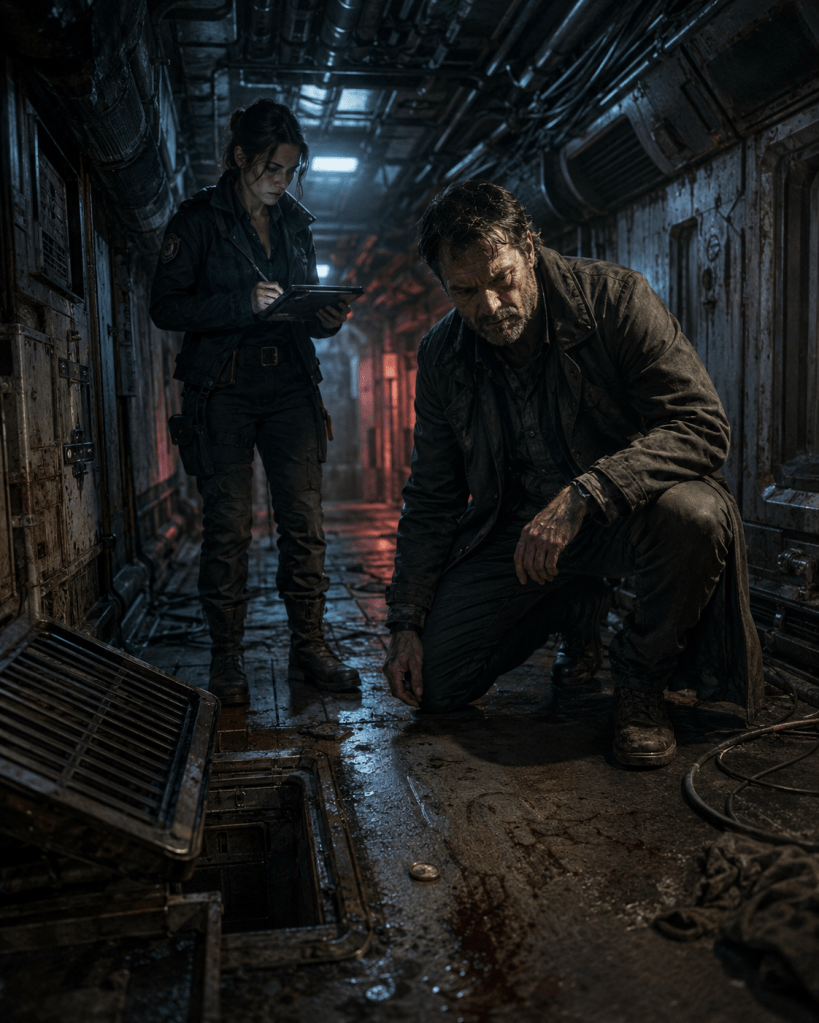
The Dead Girl in Sector Twelve is the first novella in the Ashfall Files cycle, and it works as the opening case in a larger detective science fiction series. The surface story is controlled and intimate: Ruff Kale and Lena Marik investigate a young woman found dead inside a maintenance shaft in Sector Twelve. Her placement feels wrong. Her records have been stripped. The systems around her hesitate in ways old infrastructure alone cannot explain.

Its strength lies in how quietly it expands. The investigation starts with a body, then moves through missing logs, frightened workers, erased evidence, and Fleet pressure. The case never needs to announce itself as a space station conspiracy. It becomes one through behaviour. A supervisor answers too quickly. A corridor falls silent. A witness disappears from the record before anyone can take a statement. An official explanation arrives with suspicious speed.

The result is an adult science fiction mystery rooted in atmosphere and consequence. The reader is taken through service corridors, Freight Spine noise, tired workers, precinct pressure, and the controlled politeness of authority. Ashfall Station never pauses to explain itself. It continues running, which makes its cruelty feel more convincing.

This opening novella also establishes the wider Ashfall Files method. Each case can be entered as a contained investigation, yet each one contributes to the larger movement of the station. A single death leads toward erased records. Erased records lead toward missing witnesses. Missing witnesses lead toward Fleet jurisdiction. Fleet jurisdiction points toward something far larger than the official report.

That sense of scale remains restrained. The story stays close to Ruff, Lena, and the immediate investigation. It lets the reader feel the conspiracy through pressure before understanding its full shape.


Ashfall Station as a Living Pressure System

Ashfall Station is a living pressure system.

Its sectors carry their own forms of decay. The Upper Concourse holds the polished language of administration and command. The Mid-Ring carries family noise, work exhaustion, and ration anxiety. The Freight Spine moves cargo, rumours, bribes, and bodies of evidence that pass through too many hands. The Red Decks hold the markets, dens, gangs, and informal networks that flourish wherever official supply fails. Beneath them all, the Underworks remain close, dark, humid, and only partly mapped.

Earth Fleet sits across that structure as authority, security, and threat. Its power appears through access locks, jurisdictional claims, missing files, controlled announcements, and the careful shaping of public truth. Fleet control is rarely dramatic at first. It arrives as a polite correction. A procedural reminder. A closed file. A warning phrased so cleanly it leaves no mark.

That is what makes Ashfall Files work as political sci-fi thriller material. The politics are lived before they are named. Civilians feel them in ration lines. Workers feel them when patrols pass. Detectives feel them when evidence disappears from intake. The station’s broadcasts ask people to remain calm while the people closest to the damage already understand that calm is being manufactured.

Ruff’s investigations provide the entry point into this world. He walks the corridors, talks to workers, pressures informants, reads silence, and notices when a room has been made too clean. Lena brings structure and conscience, forcing the case into forms the system then tries to corrupt. Her role matters because Ashfall needs someone who still believes procedure should protect people. Watching that belief bend under pressure gives the series its emotional edge.

The wider Ashfall Files cycle moves from grounded crime into civil fracture. That movement begins here, in small ways. A dead worker. A missing shard. A witness erased from housing records. A public system that keeps speaking after truth has been removed from the room.

A station never collapses all at once. It teaches collapse in stages.

First, people accept faulty lights.

Then they accept missing footage.

Then they accept closed reports.

Then they accept the absence of someone they spoke to yesterday.

By the time open unrest arrives, the damage has already been living in the walls.


The First Thread of the Ashfall Files

The Dead Girl in Sector Twelve matters because it begins with a simple institutional reflex: make the problem small enough to file.

That is how power survives aboard Ashfall Station. It reduces a life to a case number. It reduces fear to rumour. It reduces obstruction to procedure. It reduces truth to something that can be delayed until the station moves on.

Ruff Kale knows better than to expect justice from the machinery around him. Lena Marik still needs to learn how much machinery can lie. Between them, the first Ashfall Files case becomes a quiet act of resistance, carried through observation, unease, and the refusal to let a dead girl vanish cleanly into official language.

The station continues to hum. Broadcasts continue to roll. Ration queues continue to form beneath flickering light.

Somewhere inside that noise, the first thread has already been pulled.

And Ashfall Station has begun to answer.