Northumbria: A Kingdom Divided

The rival kings, broken loyalties, and deepening fractures that left England’s northern power exposed before the fall of York


The Kingdom That Had Begun to Fracture

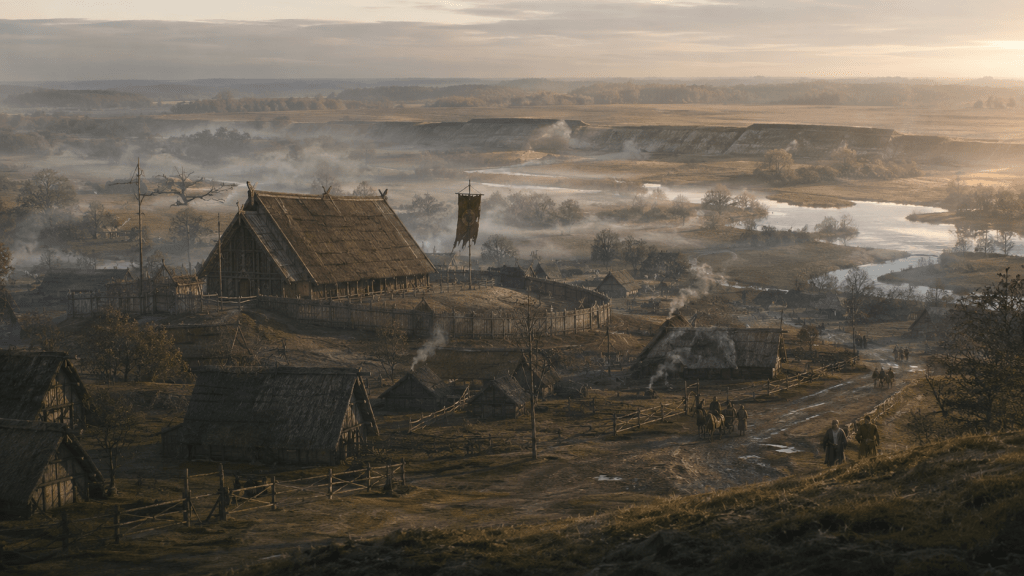
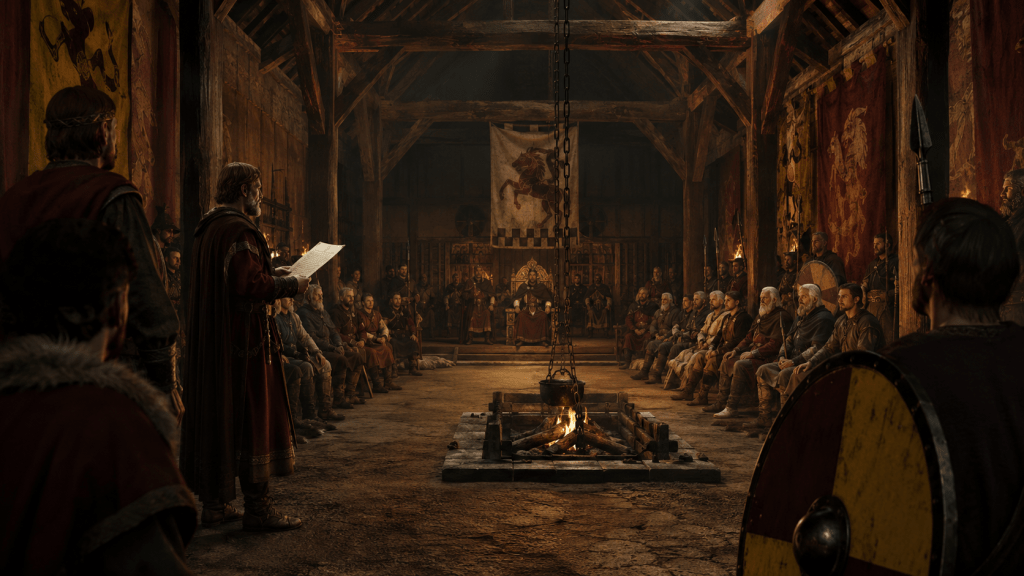
Rain darkened the roofs of York and slid from the timber eaves in steady threads as men gathered inside the royal hall, their cloaks heavy from the road and their boots carrying the grit of the city across the rush-strewn floor. Beyond the doors, Northumbria’s greatest settlement moved through another cold morning beneath a low northern sky. Smoke lifted from workshops near the river. Traders called beside carts of wool, grain, and worked metal. Bells sounded from churches raised among older Roman stone, their voices rolling across streets shaped by centuries of rule. York still looked like the heart of a powerful kingdom, yet within the hall its strength had begun to loosen.

King Ælla sat beneath the high beams while nobles arranged themselves before him with measured care, each bow offered correctly, each expression guarded a shade too long. His crown had come through upheaval, after Osberht was driven from power, and the memory of that break remained alive among the men who filled the chamber. Some had accepted the new king because the realm required order. Some carried older loyalty beneath closed mouths. Others watched for advantage, weighing which name might serve them best if the balance shifted again. Spears rested against the walls. Scribes waited beside wax tablets. Priests stood near the edge of the gathered court, their faces composed, their attention fixed upon every hesitation that passed between lord and king.

Northumbria had once seemed able to hold the north through force, sanctity, and reputation alone. Its rulers had commanded armies across wide territories. Its monasteries had preserved learning admired far beyond Britain’s shores. Lindisfarne, Wearmouth, Jarrow, Hexham, and York had placed sacred weight upon the kingdom’s name, binding royal authority to a landscape of saints, scholars, and kings. Yet such splendour carried little comfort when allegiance thinned inside the ruling house itself. The hall remained warm from hearth fire, yet unease moved through it like cold air slipping under a door.

A messenger entered while the court still murmured around a dispute over land and tribute, dropping to one knee as rainwater darkened the floor beneath him. Ælla turned towards the man, one hand resting upon the carved arm of his seat, while nearby nobles shifted with the faint restlessness of men expecting unwelcome news. The message concerned another estate, another refusal, another local quarrel sharpened by divided loyalty. Nothing within it sounded large enough to threaten a kingdom on its own, yet the room received it with weary recognition. Such fractures had become familiar. Authority had to be argued, carried, reinforced, and watched.

Far beyond the hall, across the eastern water, other men prepared for movement of a very different kind. Their presence had touched Britain before in swift raids along exposed coasts, and memories of burned monasteries still lingered in prayer and rumour. Even so, the danger approaching Northumbria would strike a realm already strained by its own disputes. When the decisive pressure came, it would meet warriors divided by recent rivalry, nobles cautious in their loyalties, and a kingdom whose crown had lost the full weight of shared confidence.

York still rang with trade, prayer, and daily labour that morning. Its walls remained upright, its churches held their candles, and its kingship still wore the outward shape of command. Yet beneath that appearance, Northumbria had begun to separate along lines few could repair. The fall remembered in later years would arrive through battle, though its first shadow had gathered earlier, in halls where men spoke softly, watched one another closely, and served a kingdom already struggling to stand with one voice.


A Visual Chronicle

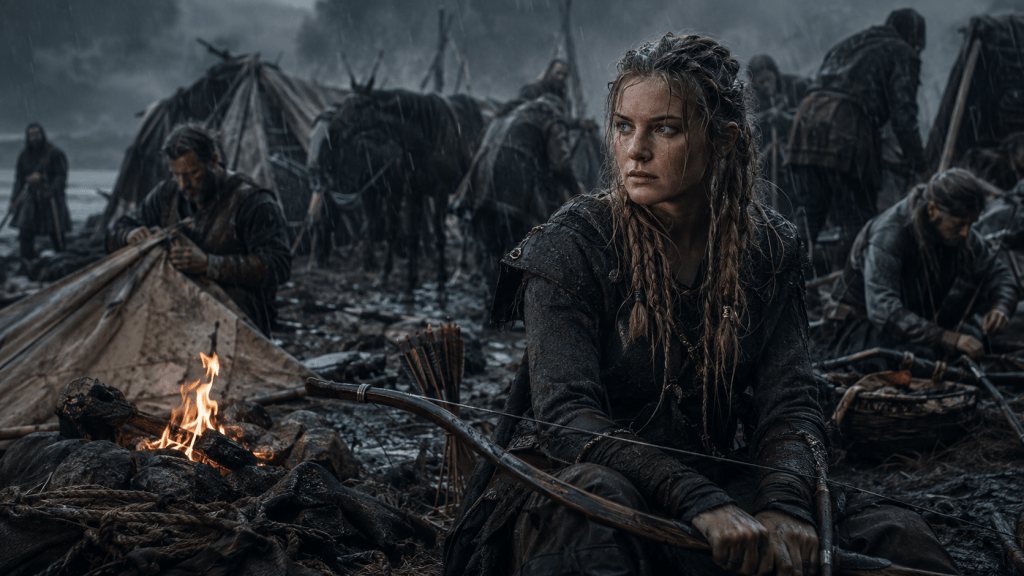
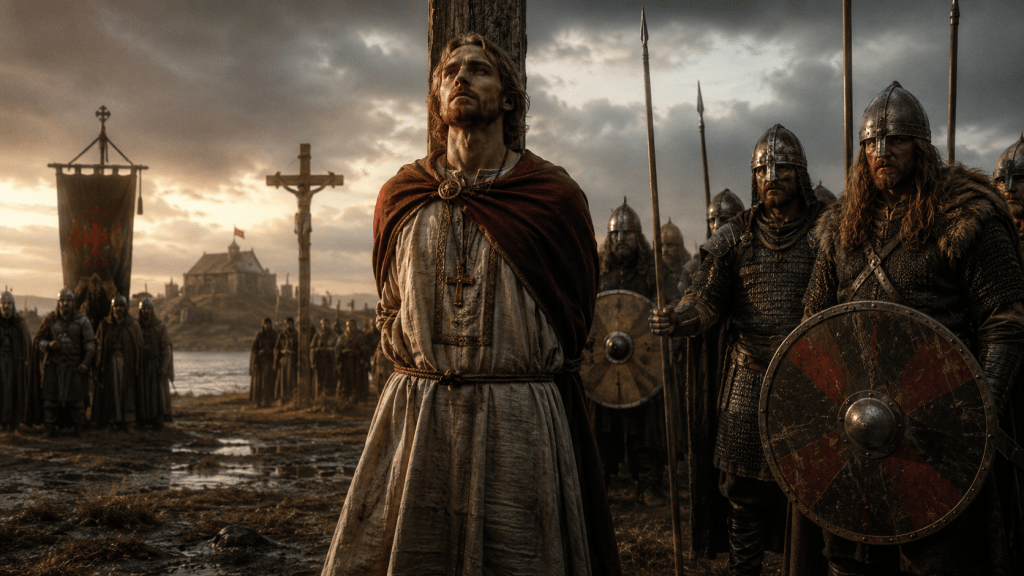
Before Viking armies reached York, Northumbria was already weakening from within, and this visual Chronicle captures the uneasy silence before the kingdom broke.


Timeline of Events

759 AD – King Oswulf of Northumbria is murdered soon after taking the throne, revealing how violently royal succession had begun to fracture.

796 AD – King Æthelred I is killed, another sign of the instability that had gripped Northumbrian kingship through the late eighth century.

806 AD – King Eardwulf is driven from power, continuing the repeated cycle of deposition, exile, and contested rule.

c. 862–866 AD – Osberht is removed from the throne and Ælla rises in his place, leaving Northumbria divided between rival royal claims.

866 AD – The Great Heathen Army captures York while Northumbria remains weakened by internal division, setting the kingdom on the edge of disaster.


About the Creator

This Chronicle is written by Simon Phillips, author of several historical and speculative fiction works exploring forgotten worlds, myth, and the turning points of history.

You can explore his books here:
Books by Simon Phillips

You can watch his YouTube channel here:
Author Simon Phillips


Continuing the Chronicle

The account that follows moves deeper into Northumbria’s troubled royal house, where rivalry between Ælla and Osberht weakened the kingdom from within and left its greatest city exposed at the very moment danger began to gather from across the sea.

Readers supporting The Forgotten Chronicle may continue into the full record below.


The Chronicle: When Northumbria Turned Against Itself

York remained busy beneath the gathering strain. Carts creaked through its streets with sacks of grain and bundles of wool, traders called near the river, smiths struck iron in smoky yards, and bells rose from churches set among the older stone of the Roman city. From a distance, Northumbria’s heart still seemed secure, wrapped in sacred memory and the habits of power, yet the hall above those streets carried a different weather. Men lowered their heads before King Ælla, then lifted their eyes again too quickly. Others kept their loyalty hidden behind careful silence, as though the wrong glance might betray which crown they truly favoured. Osberht had been driven from rule, Ælla had taken his place, and the kingdom continued its daily life while the wound between them remained open.

Northumbria had endured troubled kings before. Its throne had passed through murder, exile, and sudden reversals often enough for noble families to learn caution as a form of survival. Oaths still carried weight, yet memory carried weight as well, and men remembered who had prospered beneath Osberht, who had gained under Ælla, who had lost land, favour, or kin when the crown changed hands. Priests prayed for peace. Reeves gathered dues from estates whose loyalties had begun to shift. Warriors remained available for service, though service depended upon trust, and trust had thinned across the kingdom like ice under a thawing sky.

The greatness of Northumbria had once seemed almost untouchable. Its monasteries at Lindisfarne, Wearmouth, and Jarrow had carried learning far beyond Britain. Its scholars had written with a clarity that endured across generations. Its kings had ruled over a northern realm feared by rivals and respected by distant courts. Even York, busy with merchants, clergy, and royal officers, still wore that inheritance openly. Yet inherited splendour offered little shelter when leadership frayed from within. A kingdom could possess saints, books, fortifications, and proud memory, while losing the shared certainty required to act as one body when danger came.

That danger had already crossed the sea. The raiding age had left scars along Britain’s coasts, sacred places struck by men who appeared from the water and vanished before resistance could gather. The army that entered England in 865 carried a heavier purpose. It moved through East Anglia, secured horses, took winter quarters, and advanced with the patience of men seeking territory instead of brief plunder. When its leaders turned towards Northumbria, they approached a kingdom rich in prestige and divided in command, a realm whose strength lay scattered among rival loyalties at the very hour it needed swift agreement.

Word travelled north through roads softened by rain and across crossings swollen by late-season water. Riders reached halls where men already distrusted one another, bringing news of a great heathen force moving towards the Humber and beyond. In York, the city’s walls still stood, aged yet visible, reminders of older imperial power. Watchmen looked outward from them. Priests gathered in prayer. Merchants listened for rumour while continuing their trade with restless hands. Across the wider kingdom, royal authority struggled to gather itself quickly enough. Ælla commanded the throne. Osberht still commanded allegiance. Northumbria possessed warriors, yet its leadership remained divided at the moment every day of hesitation carried cost.

The army reached York in 866 and took the city. Later generations would remember the capture as a turning point in the Viking conquest of England, yet for those living through it the shock must have felt immediate and immense. York was more than a fortified place. It stood as the northern kingdom’s political heart, its commercial centre, and one of its great sacred cities. Raiders had burned places before and sailed away. This army entered York and remained. Foreign power settled inside the streets where Northumbrian kings had issued commands, and the humiliation spread through the realm faster than any messenger could ride.

Only after that loss did Ælla and Osberht set aside their quarrel. Rival kings who had divided the kingdom now faced a threat that rendered their dispute smaller than survival. Their supporters gathered into one host, shields repaired, spear shafts checked, horses readied, prayers murmured in chapel shadows before the march. Across cold ground and winter-worn roads, the Northumbrian force moved towards York with the urgency of men seeking to recover more than a city. They came to reclaim honour, authority, and the hope that the kingdom’s fracture might still be sealed through common action.

The assault began with force enough to stir confidence. Northumbrian warriors struck the city and broke through, surging into York as steel rang against shield rims and cries echoed between timber walls. Streets once crowded by traders turned into cramped channels of battle. Men pressed forward beneath the weight of anger and shame, while others stumbled over fallen bodies in lanes too narrow for clean formations. Ælla and Osberht had arrived together through necessity, their armies joined by the same fear, and for a fleeting moment Northumbria seemed to have found the unity it had lacked.

Then the fight tightened around them. The army holding York answered with brutal discipline, turning the city’s confined streets into a trap. Shields jammed against doorways. Spears thrust from close quarters. Men who had entered with momentum found themselves hemmed in by enemies who knew exactly where to stand and when to strike. The sounds of the battle rose above the roofs in broken waves, clashing iron, shouted commands, cries of the wounded, until the struggle lost all shape beyond survival. By the end, both kings were dead. Ælla fell. Osberht fell. The two rival claims that had strained Northumbria through its final years of independence ended upon the same field of ruin.

The loss reached far beyond the deaths of those kings. Survivors made peace with the victors. A new ruler acceptable to the conquerors emerged within Northumbria, while York remained under Scandinavian control and would become one of the great centres of Viking power in England. The kingdom endured in altered form, yet the older independence that had linked royal authority, ecclesiastical prestige, and northern dominance had suffered a blow from which it never truly recovered. Northumbria had faced a formidable invading army, though it had faced that army after spending precious strength upon itself.

The fall of York belonged to the history of Viking conquest, yet it also belonged to the history of Northumbria’s own unraveling. The invaders brought force, planning, and fierce resolve. Internal fracture gave that force a clearer path. In halls where nobles hesitated, in loyalties divided between deposed king and reigning king, in months when unity should have gathered earlier, the kingdom’s weakness had already begun shaping the outcome. York’s walls failed in 866. Northumbria’s unity had begun failing long before.


Within Northumbria’s halls, royal authority had begun to fracture long before the kingdom faced the storm gathering beyond its walls.


Inspiration Behind the Story

Northumbria’s fall begins in a quieter place than the clash at York. It begins in rivalry, in weakened trust, in a kingdom still rich with sacred memory and royal prestige while its centre had already begun to loosen. That tension gives this Chronicle its power. The danger from across the sea mattered, yet the deeper unease came from within, from the sense that a realm could carry greatness openly while losing the unity required to preserve it.

What fascinates me about this moment is how history rarely breaks in a single instant. Collapse often gathers slowly through decisions, grudges, contested claims, and loyalties divided too long. By the time the decisive blow arrives, part of the ruin has already taken shape. Northumbria’s story reveals that truth with unusual clarity.

For storytelling, this creates a stronger kind of tragedy than simple defeat. The kingdom facing York’s capture still possessed warriors, churches, wealth, and memory, yet those strengths had become harder to gather beneath one purpose. The enemy entered through force, though division had already opened the way.

This Chronicle matters because it reminds us that kingdoms can begin to fall before their walls are breached.


From the Author’s Desk

What stayed with me while writing this Chronicle was the sense of a kingdom still wearing the appearance of strength even as its centre had begun to weaken. Northumbria possessed almost everything that should have made it formidable: sacred places, learned monasteries, an important royal city, and a history of rulers whose influence had reached far beyond the north. Yet power can appear solid long after confidence has started to drain from beneath it.

That is what makes this part of the story so compelling to me. York’s later fall is often remembered through the arrival of the Great Army, and rightly so, yet the tragedy feels sharper when seen against Northumbria’s own divisions. The kingdom had strength. What it lacked, at the crucial moment, was unity. Rival kings eventually stood together, though only after the ground beneath them had already shifted.

There is a human truth inside that pattern which reaches well beyond royal politics. Fracture rarely announces itself with a single dramatic sound. It gathers through delayed decisions, inherited grievances, and loyalties that grow uncertain by degrees. By the time crisis becomes visible, much of the damage has already been carried quietly for years.

This series continues to interest me because the making of England passed through kingdoms that still believed in their own permanence. Each Chronicle follows a world before the outcome became clear, when survival remained uncertain and history had yet to settle into the shape we recognise now.

You can explore my books here:
Books by Simon Phillips

You can watch my YouTube channel here:
Author Simon Phillips


Historical Notes & Context

Additional Historical Notes

Northumbria entered the later ninth century with a reputation far greater than its political stability. Earlier generations had made the kingdom one of the intellectual and religious centres of early medieval Britain, with monasteries such as Lindisfarne, Wearmouth, and Jarrow shaping Christian learning far beyond the north. By the time Ælla and Osberht struggled over the throne, that inherited prestige remained powerful, yet royal authority had grown increasingly fragile.

The sources for this period are limited, and the precise chronology of Ælla’s rise remains uncertain. Later accounts agree that Osberht was removed from power and Ælla replaced him, while several traditions portray Ælla as an unlawful or harsh ruler. Whatever the exact sequence, Northumbria clearly faced the Great Army during a moment of internal division, with its kingship weakened by rival claims and unsettled loyalties.

York’s capture in 866 carried immense significance. It was one of Northumbria’s principal political centres, rooted in Roman foundations and central to the kingdom’s authority. When Ælla and Osberht joined forces in 867 to retake the city, their alliance came only after the loss had already occurred. Both kings died in the assault, and surviving Northumbrians made peace with the invaders, opening the way for Scandinavian dominance in York and much of the kingdom.


Related Events

The Great Heathen Army had entered England in 865 and first wintered in East Anglia, where it secured horses before moving north. This marked a change from earlier raiding patterns. The force carried the capacity to occupy, manoeuvre, and target kingdoms in sequence, turning the Scandinavian presence in England into a struggle for territory and rule.

Northumbria’s crisis formed part of a wider pattern across the Anglo-Saxon world. East Anglia would fall soon after, Mercia would face growing pressure, and Wessex would eventually become the chief centre of organised resistance. The events at York therefore belong to more than one kingdom’s tragedy; they marked an early stage in the wider remaking of political power across England.

The memory of Ælla later became entangled with Scandinavian legend, especially the saga tradition surrounding Ragnar Lodbrok and his sons. Anglo-Saxon and near-contemporary accounts instead record a more grounded sequence: York was taken, Ælla and Osberht briefly reconciled, both kings died in the attempt to recover the city, and Northumbria’s older order broke under the pressure of invasion.


Further Reading

The Kingdom of Northumbria: AD 350–1100 – N. J. Higham
Kings and Kingdoms of Early Anglo-Saxon England – Barbara Yorke
The Anglo-Saxon World – Nicholas J. Higham and Martin J. Ryan
Viking Kings of Britain and Ireland: The Dynasty of Ívarr to A.D. 1014 – Clare Downham


Next Chronicle

Mercia had once stood as the dominant power among the Anglo-Saxon kingdoms, its rulers commanding influence across much of central and southern Britain. Under kings such as Æthelbald and Offa, Mercian authority had reached far beyond its own heartlands, shaping alliances, pressuring rivals, and leaving behind monuments of ambition that still marked the landscape.

Yet power rarely disappears in a single moment. By the time Viking armies began moving through England, Mercia’s earlier supremacy had already started to fade. Rival kingdoms had grown stronger, especially Wessex, while Mercia’s ability to command the political balance of the island weakened beneath changing fortunes and the strain of new threats.

What makes this next Chronicle so important is that Mercia’s decline reveals another stage in the making of England. Northumbria fractured through internal rivalry. Mercia faced a different danger: the slow loss of dominance, as a kingdom once accustomed to shaping events found itself struggling to preserve its place within them.

The next Chronicle moves into that fading centre of Anglo-Saxon power, where old greatness still lingered, yet the ground beneath it had begun to shift, preparing the way for a future in which Mercia would no longer stand above the other kingdoms as it once had.

Next Chronicle: Mercia: The Fading Giant


Northumbria still carried the memory of greatness in its churches, its halls, and the old stone of York.

Yet kingdoms can begin to fall long before their walls are broken.

In the north, division had opened the first wound, and history was already moving towards it.

The Battle of Edington and the Field Where Wessex Turned the Viking War

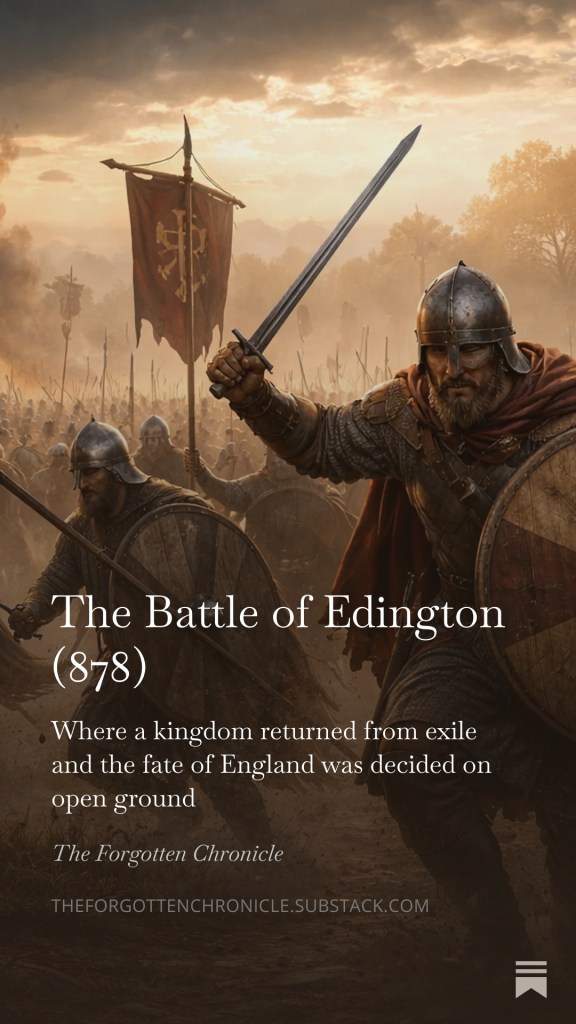
The Battle of Edington stands among the defining moments of Viking Age England, though its force came from more than one clash of shield walls. By the spring of 878, Wessex had endured months of fear, retreat, and narrowing hope. King Alfred had been driven into the marshes, Guthrum’s power pressed deep into the land, and the last major Anglo-Saxon kingdom still standing faced the real prospect of being swallowed into a wider Scandinavian dominion. Edington matters because it was the place where that pressure met resistance strong enough to hold, turn, and endure.

Fields such as these rarely keep their shape in memory. Names survive. Chronicles compress. Later generations return to a few hard facts, then leave the land itself behind. Yet the ground at Edington, most commonly associated with Wiltshire, belonged to a world where slope, weather, footing, and visibility could shape the fate of kingdoms as surely as kings or captains. The battle emerged from a season of concealment, from the marshland refuge at Athelney, from summons carried quietly through farms and tracks, and from a gathering at Egbert’s Stone that transformed hidden loyalty into open resolve.

A Kingdom Pressed to the Edge

Late ninth-century England carried the strain of repeated Viking campaigns. Earlier raids had already altered the imagination of Christian Britain, beginning with the shock at Lindisfarne and growing into something broader and heavier as longships returned along coasts and riverways. By the 860s and 870s, the conflict had moved far beyond plunder. The Great Heathen Army had shifted the pattern from seasonal assault to organised invasion, and major Anglo-Saxon kingdoms felt the consequence in succession. Northumbria suffered collapse, Mercia fractured, and Wessex came under gathering pressure until its survival seemed uncertain.

That wider pressure gives Edington its true shape. A single battle can attract attention through scale or drama alone, though Edington carries a deeper pull because it rose from exhaustion. Alfred’s retreat into Athelney in early 878 has often been remembered as an image of refuge, a king hidden among reed beds while the rest of his world stood under hostile power. The image remains powerful because it speaks of reduction. Royal authority had narrowed to survival. The kingdom endured, though in diminished form, held together through memory, loyalty, and whatever could still be gathered in secret.

This is where the story acquires its distinctive weight. Edington was never simply a day of battle. It was the visible release of months lived under strain. Men arrived there through hidden roads and uncertain loyalties. Messages passed quietly across Wessex. Fragments of resistance began to recognise themselves as a force. At Egbert’s Stone, concealment gave way to muster, and with that shift the kingdom moved from endurance towards confrontation.


From Athelney to Edington

The journey from marsh refuge to battlefield was as important as the clash itself. Historical memory often prefers the instant where armies meet, since battle offers a clean edge in the record. Life within the months before it resists that kind of neatness. Alfred’s movement out of hiding and into command marked a return of structure at a moment when disorder had spread widely across the land. He was no longer surviving at the edge of his kingdom. He was gathering it back into form.

That motion towards Edington signalled something larger than military readiness. It restored the idea of Wessex in visible form. Men who had endured the same fear now stood together beneath shared authority. The countryside they crossed had already been shaped by recent campaigning, and every mile towards confrontation narrowed the space in which Viking control could appear secure. A battle fought in such a setting carried symbolic force long before the first shield struck. It told the land that resistance had returned from concealment and was willing to stand in the open.

The likely site in Wiltshire also suits the feel of the event. Open ground, rising slopes, damp earth, and the slow lifting of mist all belong naturally to the Chronicle’s treatment of Edington, and they belong to the logic of ninth-century warfare as well. This was a military world shaped by formation, cohesion, and physical pressure. A battlefield was never a blank stage. Ground mattered. Pace mattered. The firmness beneath a warrior’s feet mattered.


Why the Battle of Edington Mattered

The Battle of Edington mattered because it interrupted a direction of travel that had seemed increasingly difficult to reverse. Viking expansion across England had developed through speed, adaptability, winter campaigning, and the ability to turn mobility into settlement. Guthrum’s force entered Edington with the confidence of men shaped by earlier success. Alfred’s army entered it with something different: the knowledge that defeat could mean the loss of the final independent Anglo-Saxon kingdom.

Combat in this period relied heavily on the shield wall, on tightly formed ranks, disciplined pressure, and endurance within close fighting. This was no age of sweeping cavalry charge or elegant battlefield manoeuvre. Such encounters could become grim tests of steadiness, where a small failure in the line might widen into collapse. Alfred’s advantage lay partly in position. The Chronicle’s account places the West Saxon line on higher ground, a subtle factor with practical consequence. Firmer footing, resistance against an upward press, and the ability to hold formation under strain all contributed to a turn that began slowly and then became decisive.

That gradual turn is one of the most compelling elements in the whole episode. Edington was no sudden miracle. It was pressure answered by greater steadiness. The Viking line bent, then yielded. Guthrum’s men withdrew towards a fortified position, and the campaign moved into siege. Victory on the field alone would already have mattered. Victory followed through into confinement and submission changed the political future of England. Guthrum sought terms. His later baptism carried both religious symbolism and political weight, and the settlement opened the way towards the territorial division that would become associated with the Danelaw.

Seen in that light, Edington was a hinge. It preserved Wessex, checked a conquest that had seemed close to completion, and reshaped the terms by which Saxon and Viking power would coexist across England. The aftermath extended far beyond the battlefield. Law, identity, frontier, and settlement all moved within the current released by that victory.


The Weight of the Field in The Forgotten Chronicle

This is one reason The Forgotten Chronicle approaches Edington through atmosphere before explanation. The publication’s voice is built around slow immersion, environmental storytelling, and a calm authority that allows historical pressure to emerge through place, weather, silence, and consequence. In Chronicle 8, the field appears through mist, dew, slope, and waiting lines of men before the larger argument of history becomes visible. That approach gives the battle back its human scale.

Readers arriving through the Chronicle encounter Edington as a threshold rather than a summary. The free opening enters the field at dawn, with Alfred’s army standing above the lower ground where Guthrum’s force waits within the haze. From there the full Chronicle carries the reader into the clash itself, the retreat, the siege, and the political consequence that followed. The piece belongs to the wider Viking Age in England sequence, where earlier entries chart the movement from first coastal shock towards invasion, settlement, exile, and eventual reversal. Chronicle 8 sits at the point where that arc tightens and breaks open.

For readers who want a visual threshold into the same moment, the short companion video offers another entry into the atmosphere of the field: watch the Visual Chronicle on YouTube. The focus remains the same: mist-covered ground, gathered ranks, and the sense that a kingdom has reached the place where concealment ends and decision begins. The aim is less explanation than pressure, less lecture than recovered fragment.

The wider body of Simon Phillips’s work also sits beside the Chronicle in useful ways for readers drawn to historical atmosphere, memory, and worlds shaped by hidden turning points. The books page linked through the Chronicle offers that further route: explore the books here.


A First Step into Chronicle 8

For anyone approaching the Viking series for the first time, Edington makes a strong threshold because it holds several layers at once. It is a battle. It is a recovery from exile. It is a study in how kingdoms survive through patience before they survive through force. It is also the beginning of another kind of settlement, since the defeat of Guthrum did more than preserve Wessex. It prepared the ground for a divided England, for a world in which Viking presence would remain embedded across law, language, and place long after the shield walls had broken apart.

That movement from battlefield into settlement gives Chronicle 8 its lingering force. The field itself falls quiet again, as all battlefields do. Grass returns. Paths resume. Names outlast the voices that once carried across the slope. Yet some places continue to hold a larger shape in memory because what was decided there kept moving long after the fighting ended. Edington belongs to that kind of ground.


Where the Past Keeps Its Pressure

The past rarely survives in full. More often it reaches us in fragments, in names, in a contested location, in a chronicle line, in the memory of a king who vanished into marshland and reappeared with an army. The Battle of Edington endures because the record still carries the pressure of that return. Wessex stood close to eclipse. Alfred gathered what remained. A field in Wiltshire became the place where retreat ended and a kingdom recovered its footing.

That is why Edington continues to draw readers. It offers more than victory. It offers the moment when hidden endurance takes visible form. Through The Forgotten Chronicle’s Chronicle 8, that field opens again, quiet at first, then filled with weight, until the mist lifts and the shape of the struggle stands clear. History remains there, waiting in the grass and slope, carrying forward the old pressure of a morning when Wessex chose its ground.

King Alfred at Athelney: How Exile in the Somerset Marshes Preserved Wessex

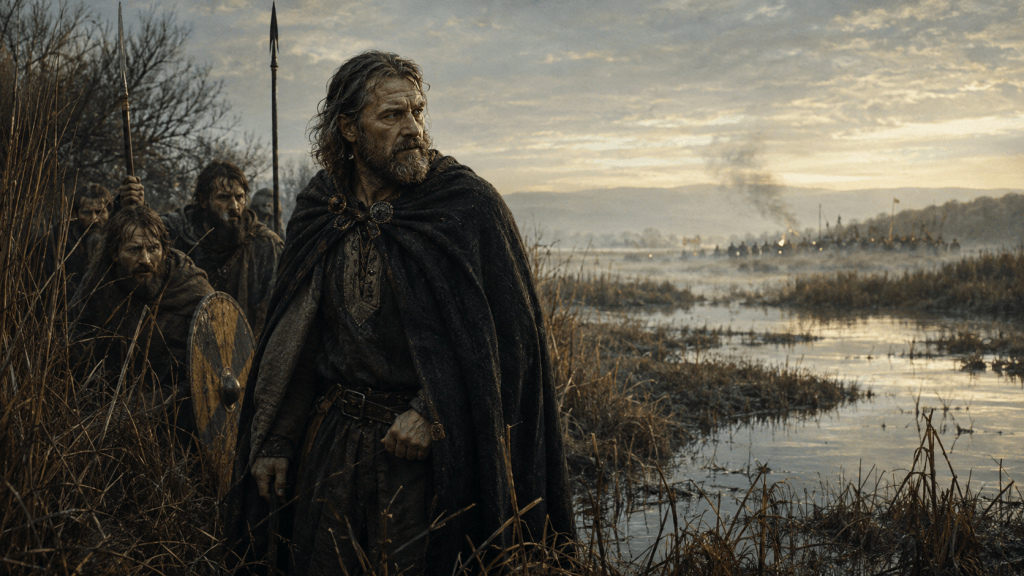
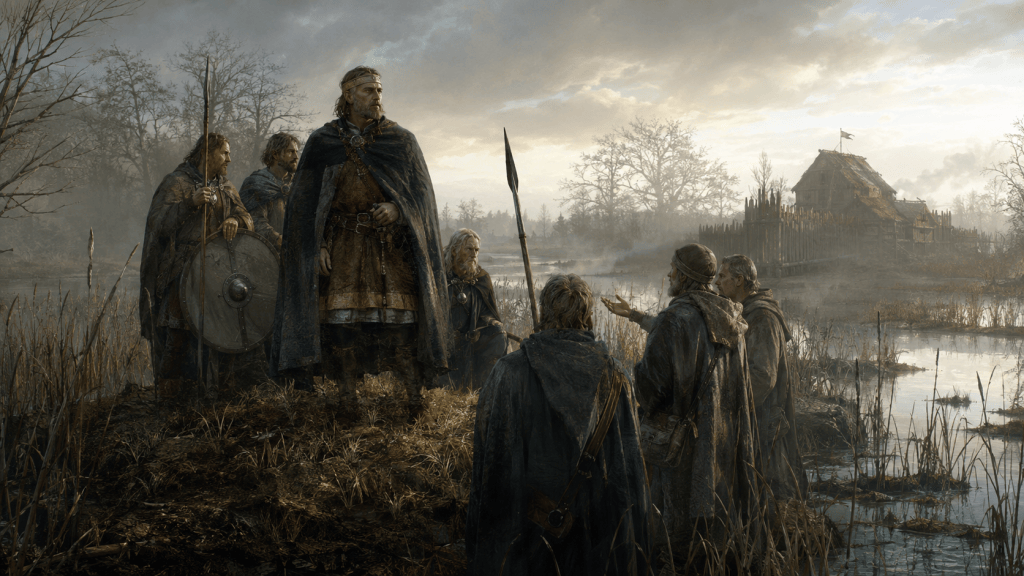
Winter settled hard over the Somerset Levels, where water and earth blurred beneath low skies and the reeds carried every movement in a whisper. In that landscape of mud, mist, and narrow raised ground, King Alfred found refuge during one of the darkest moments in early English history. In January 878, Guthrum’s surprise strike at Chippenham forced Alfred into flight, and from Athelney he rebuilt strength for the campaign that led toward Edington a few months later.

Athelney matters because it was never merely a place of hiding. The Isle of Athelney stood above the surrounding Somerset marshland as a natural island within the Levels, linked to nearby Lyng by a causeway, and the historical record ties that ground directly to Alfred’s refuge and stronghold during the Danish invasion of 878. A king who had lost ground, allies, and momentum entered a landscape where survival depended on patience, local knowledge, and the ability to move unseen.

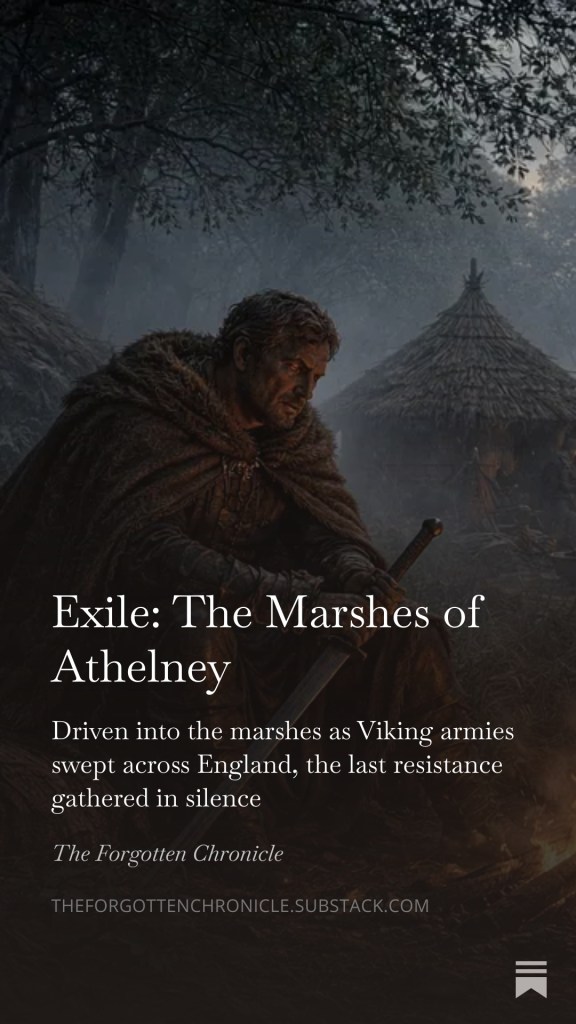
This week’s Chronicle on The Forgotten Chronicle returns to that moment under the title Exile: The Marshes of Athelney, with the line, “Driven into the marshes as Viking armies swept across England, the last resistance gathered in silence.” The piece opens inside the wet, uncertain world of the marsh itself, where hidden paths and narrow waterways hold the final hope of Wessex in suspension.


Why Athelney mattered in 878

By the time Alfred reached Athelney, the wider shape of the Viking age had already changed. The arrival of the Great Heathen Army in East Anglia in 865 marked a new phase in Scandinavian warfare in Britain. Raiding gave way to conquest. East Anglia, Mercia, and Northumbria had already come under heavy Danish pressure, and Wessex stood as the kingdom still resisting that advance. Alfred’s retreat into the marshes came during a crisis that carried the real possibility of political collapse.

That is one reason Athelney has such enduring force. A last refuge in popular imagination often feels ceremonial, almost symbolic, as though it exists to decorate the story after the decisive work has already been done elsewhere. Athelney carried a harsher meaning. This was the ground from which Alfred endured long enough to recover initiative. According to Britannica, he escaped with only a handful of followers, built a fort there, and used the site as a base for guerrilla warfare while his strength slowly grew again.

The landscape itself helped make that survival possible. Marsh country imposed its own discipline. Every approach route narrowed. Every misjudged step risked water, mud, delay, or exposure. For men who knew the ground, those conditions offered concealment and control. For an invading force working outside its own territory, the same conditions could turn pursuit into confusion. Historic England’s record of the Athelney site preserves that physical reality clearly: raised ground, surrounding marshland, a causeway, and archaeological traces linked to Alfred’s occupation and fortification.


Exile as strategy and survival

One of the strongest aspects of the Athelney episode lies in the way it reshapes the idea of kingship. Alfred at Winchester or in battle armour offers one image of rule. Alfred in wet ground, smoke, reeds, and uncertainty offers another. His authority at Athelney rested less on spectacle and more on endurance. The image survives because it holds a paradox at the centre of power: a king may appear diminished in outward form while becoming more dangerous in purpose.

That pressure runs through the Chronicle itself. The Substack version opens with a marsh world where the land “seemed uncertain” and where a small body of men moved under the damp weight of winter, carrying spears and shields through ground that could swallow a careless traveller. From there the piece draws the reader toward the harder historical truth: exile at Athelney was the stage in which resistance gathered shape again.

For a blog article, this matters because search traffic often arrives through direct historical curiosity. Readers search for King Alfred, Athelney, the Somerset marshes, or the road to Edington. Yet the deeper value of the subject lies in atmosphere and consequence together. Alfred’s refuge speaks to a larger pattern within early medieval warfare. Defeat rarely arrived in a single clean stroke. Power could contract, scatter, and return through local networks, memory, loyalty, and terrain.

In Alfred’s case, that return proved decisive. Britannica places the recovery of strength at Athelney directly in the chain that led to Edington in May 878, where Alfred defeated Guthrum and forced a political settlement that preserved Wessex and reshaped the future line between Saxon and Danish power. The path from marsh refuge to battlefield victory gives Athelney its historical charge. It stands at the hinge between near-ruin and renewed resistance.


Why readers still return to Alfred’s marsh refuge

Readers continue to gravitate toward Alfred at Athelney for the same reason many historical turning points remain vivid centuries later. The scene condenses a whole political crisis into a single setting. Water, reeds, cold, smoke, a king with few companions, and the knowledge that the future of a kingdom hangs on time being bought in silence: that combination carries narrative weight even before later victory enters the frame.

There is also something especially English in the geography of the moment. The defence of Wessex emerges here through marsh, weather, local paths, and hidden movement, through a landscape that resists certainty and rewards familiarity. Athelney reminds us that political survival in the ninth century depended as much on place as on courage. Kingdoms stood or fell through logistics, local loyalties, communications, and terrain as surely as through battlefield heroics.

That is where the Chronicle format serves the subject so well. A straightforward summary can deliver the sequence cleanly: Chippenham, flight, Athelney, gathering forces, Edington. Yet a Chronicle can restore the lived pressure inside those names. It can return the reader to the damp air, the low fire, the fear travelling in fragments from one survivor to another. It can make the wait feel heavy again.


Chronicle spotlight: Exile: The Marshes of Athelney

The current entry on The Forgotten Chronicle leans into exactly that pressure. Its opening section places the reader among still water, mist, reeds, hidden tracks, and the fragile camp of men gathering around Alfred while reports of Viking advance move through the marsh in broken pieces. The article frames Athelney as a place where concealment, patience, and loyalty created the conditions for recovery.

For readers entering the archive through this subject, the Chronicle itself sits here:

Read Exile: The Marshes of Athelney on Substack

A visual companion also accompanies the Chronicle. For WordPress embedding, the watch-format link is the cleaner route:

The visual piece carries the same emphasis found on the Substack page itself, where the article introduces “a short visual Chronicle” exploring Alfred’s withdrawal into the marshes of Athelney and the hidden refuge that became the last shelter of Wessex.


Entering the wider archive of The Forgotten Chronicle

What makes this Chronicle a strong entry point is its position within the larger Viking Age sequence. The series structure places Chronicle 7, Alfred in Exile: The Marshes of Athelney (878), at the point where Viking dominance seems close to complete and resistance begins gathering in secret, before the next Chronicle turns toward Edington. That placement gives the article a natural threshold quality: it stands at the point where defeat begins to reverse.

Within the broader publication, that approach reflects the voice and structure already defined for The Forgotten Chronicle: slow immersion, environmental storytelling, calm authority, and a reflective close that treats history as something felt as well as known. The publication’s writing guidance explicitly frames the Chronicle as narrative history written with literary weight, aiming for storytelling grounded in history instead of academic summary or list-driven blog content.

That distinction matters for new readers. Athelney is a familiar subject in outline, yet The Forgotten Chronicle approaches it through mood, land, and silence before widening into consequence. The result feels less like a classroom recitation and more like a return to the ground itself. For a reader arriving through Alfred, Wessex, Viking England, or the Somerset marshes, this entry offers a threshold into the larger archive of historical narratives already building around the Viking age.

The marsh still waits

Athelney remains one of those places where history seems to gather in the landscape and hold there. Historic England’s record preserves the site as a natural island rising above the surrounding Levels, associated with Alfred’s refuge, stronghold, and later foundation. The ground still carries the memory of pressure, concealment, and return.

That may be why Alfred’s exile continues to resonate so deeply. The moment carries no triumphal certainty. It holds waiting, endurance, and the slow assembling of purpose while the larger world appears to have already turned against him. From there came the march toward Edington and the survival of Wessex. Yet the emotional force of the episode lives earlier, in the marsh itself, where defeat had already arrived and the future still lay hidden among reeds and water.

In that sense, Athelney never really vanished. It remains where it has always been, half historical site, half threshold in the national memory, the place where a kingdom held its breath long enough to begin again.

If you’d like, I can turn this into a tighter SEO variant with a stronger search title and slightly more WordPress-style formatting.