When the Road Between Worlds Begins to Fail: Crystal Pathways and Fractured Realms in The Failing Path

A path through a fractured world can resemble a road only until the ground beneath it begins behaving according to rules the traveller has never learned. In The Failing Path, Book Two of The Chronicles of Aeloria, Aeloria wakes far beyond Zone Thirteen in a place where moss restores itself after being disturbed, stones drift above the soil, water reacts to the shard at his wrist, and ancient structures respond to his movement before he has any understanding of what they were built to do.

The environment is beautiful in ways his former home never allowed, though beauty offers little reassurance when every part of the landscape seems tied to systems older than the people still moving through them. The fractured realms are separated by more than distance, with surviving routes running through unstable spaces where crystal, architecture, living growth and forgotten infrastructure continue functioning together even after much of their original purpose has been lost.

Travel between such worlds becomes an act of exposure. Every crossing places a traveller inside a structure whose rules may be understood only partially, and every surviving pathway carries the possibility that something built long ago still remembers how to respond.
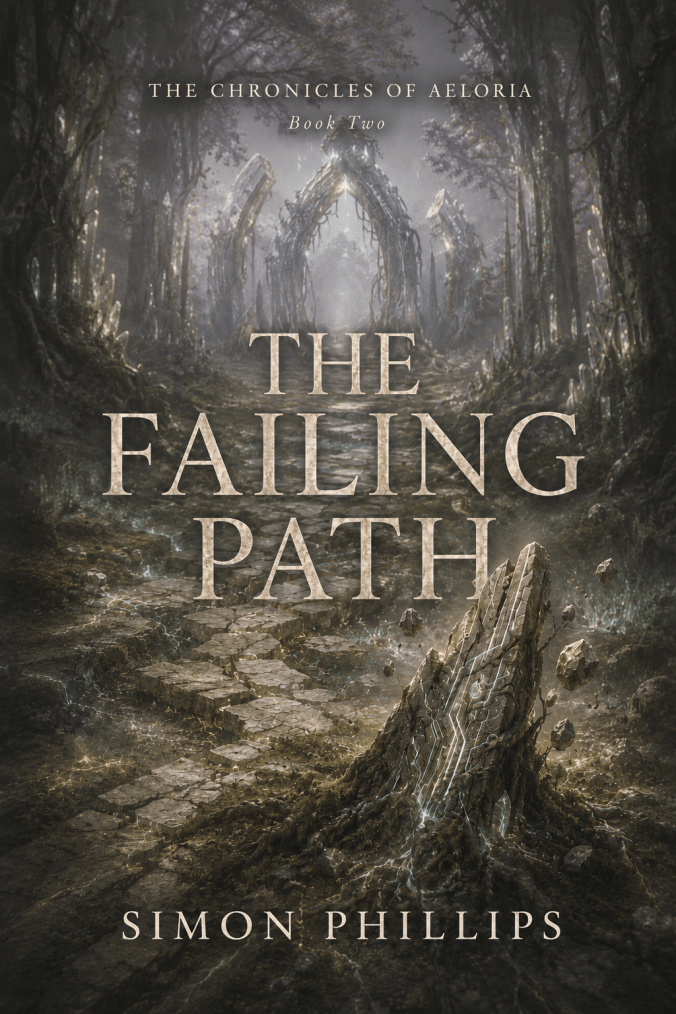

A World Where Travel Has Physical Consequences
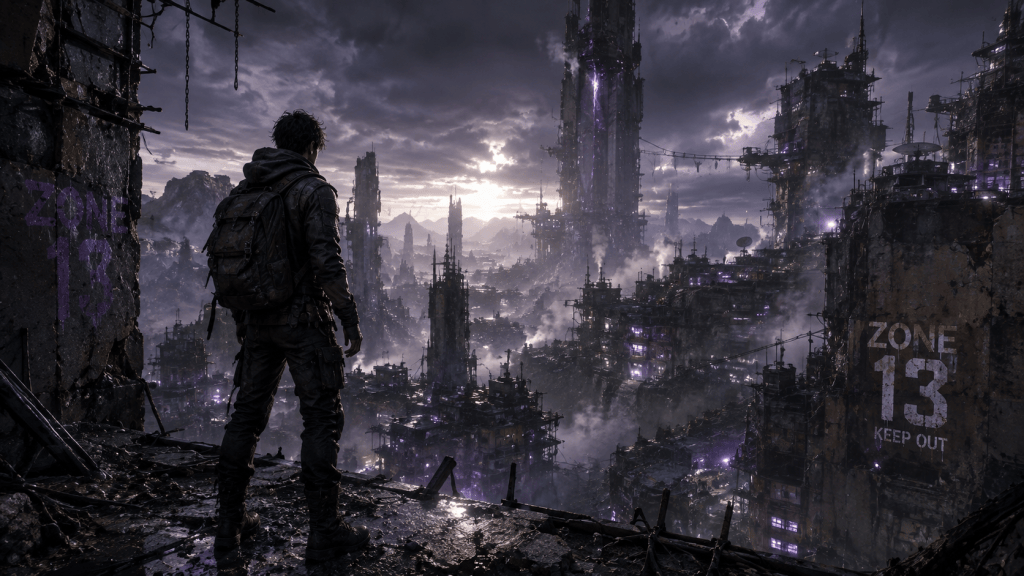
Fantasy often treats roads as the quiet space between significant locations, giving characters room to move from one place of consequence to another. Within The Awakening of Power, the road itself can become one of those places, because the old pathways between realms retain enough function to shape movement, alter the environment and place pressure directly upon anyone trying to cross them.

The bridge-realm Aeloria enters after leaving Zone Thirteen remains active despite its deterioration. Causeways lie beneath living growth, marker points still react to trained handling, damaged nodes continue regulating routes, and transfer stones retain enough of their purpose to carry travellers beyond the fragment when the surrounding systems can be held together for long enough.

Every surviving element also carries evidence of failure. The ground can settle late beneath Aeloria’s weight, dust hangs where gravity should pull it down, roots shift position after he passes, and passages that appear usable can begin closing as the fragment changes around those moving through it. Heat, cold and pressure can alter across short distances, leaving the body to register instability before the mind has any language for what is happening.

Aeloria approaches those conditions with instincts formed in Zone Thirteen, where a scavenger survives by testing uncertain surfaces, watching before entering open ground, judging whether damaged machinery is worth approaching, and distrusting anything that seems too easy. Those habits remain useful, though the fragment forces him to confront something his old environment never prepared him for, because broken infrastructure in the human world rarely appeared to notice who was walking across it.


The Bridge-Realm Is a Living Place, Even While It Fails

The fragment between worlds never behaves like an empty corridor separating two more important locations. It contains its own ecology, its own damaged structures and its own long relationship between living growth and ancient construction, creating a landscape that feels inhabited by history even where no settlement remains.

Crystal-veined trees rise through old architecture until it becomes difficult to judge where the built environment ends and the forest begins. Water passes through worked channels while roots and moss reclaim the stone around them, and small creatures move through conditions shaped by altered gravity and unusual atmospheric behaviour that would appear impossible within Aeloria’s familiar human world.

The effect is important because the fractured worlds are built upon inheritance rather than clean archaeological remains. Structures continue performing fragments of their original functions, landscapes grow around them, and later cultures maintain systems that have become necessary to survival even where their deepest logic remains uncertain.

The bridge-realm therefore holds more than one history at once. One belongs to whoever first shaped the pathways, while another belongs to the people who learned how to cross, maintain and survive those pathways after their original certainty had already begun to disappear.

That second history becomes visible through the elven field team Aeloria encounters beside the failing node. They carry markers, slivers and specialised crystal equipment, and their movements reveal a working culture built around unstable routes rather than a civilisation approaching them as mysterious ruins for the first time.

Their knowledge is practical and highly developed, yet it remains knowledge shaped by use. The fragment can still surprise them, which prevents elven familiarity with crystal systems from becoming the same thing as complete understanding.


Elven Technology Begins with Resonance
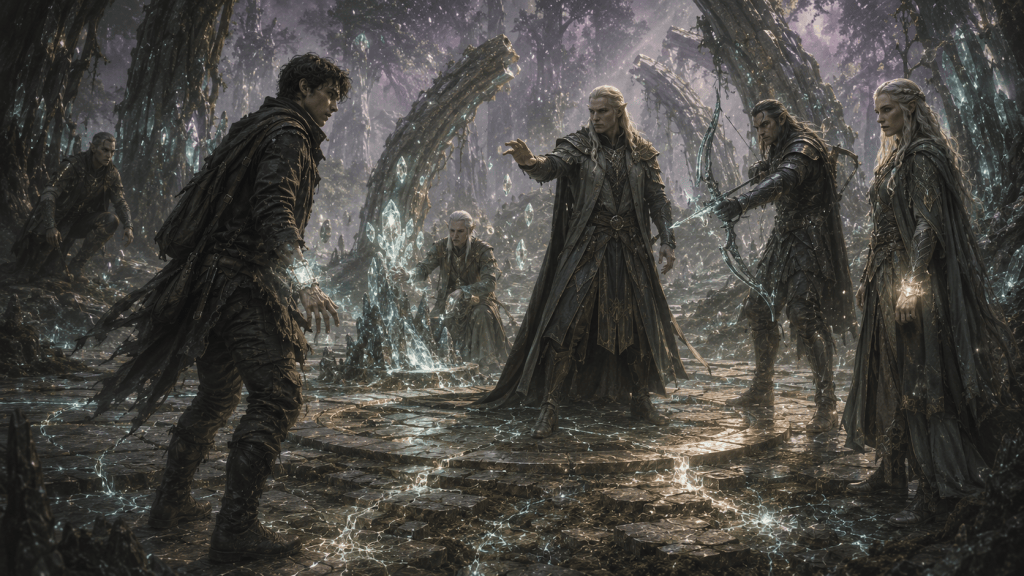
Aeloria’s first sustained encounter with elven culture arrives through work rather than ceremony. Thalorien’s team is already attempting to stabilise a failing node when he reaches them, which means his first view of another civilisation is shaped by technicians, route-readers, guards and field equipment rather than temples, rulers or formal introductions.

Ilyr works with crystal slivers and damaged sockets while Caerun reads route behaviour through markers placed along unstable ground. Vaelen watches the surrounding terrain and manages immediate physical danger, while Serenis carries a white shard whose controlled response differs sharply from the unpredictable pressure surrounding Aeloria.

Their tools belong naturally to the same environment as the roots, crystal growth and living structures surrounding them. Nothing feels bolted onto the landscape as a separate layer of machinery, because elven technology has developed through resonance, cultivation and integration with the materials that already shape their civilisation.

That difference becomes one of the clearest expressions of the series’ science-fantasy identity. Human engineering tends towards machinery, applied systems and technical control, while elven systems rely more heavily upon resonance and cultivated crystal structures that can behave almost like extensions of the surrounding environment.

Aeloria recognises that the elves are doing technical work even when the methods feel impossible to him. Ilyr understands the failing node well enough to intervene when its behaviour worsens, yet even his knowledge reaches a limit once Aeloria’s presence causes the system to respond in a way he never expected.

Different cultures therefore carry different kinds of competence without any single people possessing the full truth. That balance allows the fractured realms to remain genuinely divided by experience rather than merely separated by appearance.


When Old Systems Recognise Someone They Should Ignore
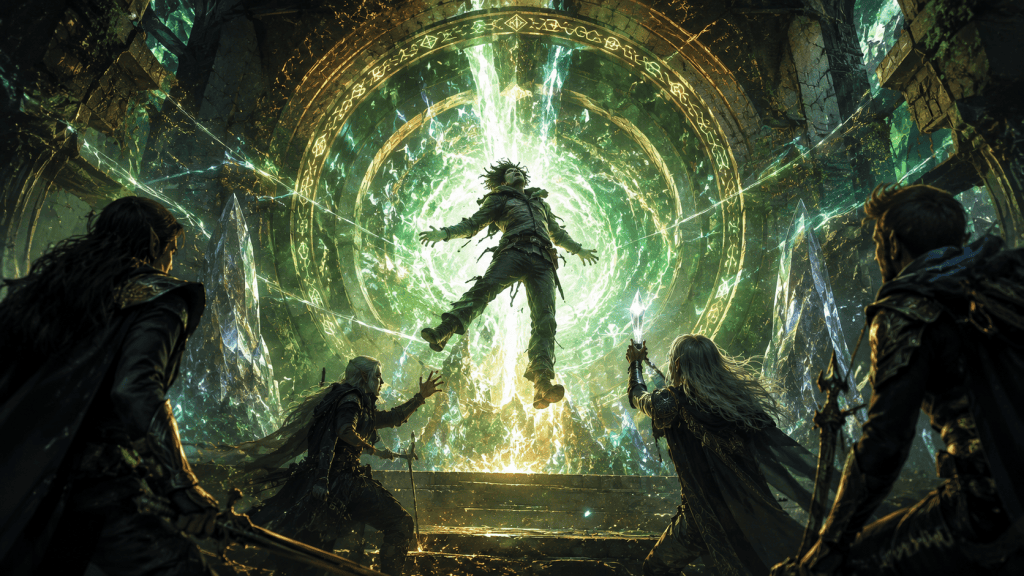
The most unsettling aspect of the fragment lies in the way old systems respond to Aeloria before anyone around him has decided what his presence means. The causeway lights beneath his steps, the node reaches towards him, Ilyr’s slivers begin turning in his direction, and a stabilising root responds when Aeloria catches himself against it during the node’s failure.

Later, the transfer stones begin treating him as though his position matters more than the arrangement chosen by the trained elven team. The route attempts to take him as its centre even though he has deliberately been placed away from that position, creating a danger that Serenis and the others can reduce only through coordinated action.

Aeloria never commands these events. His importance within the system appears before his ability to influence that importance deliberately, which keeps recognition separate from mastery and makes every reaction more threatening than empowering.

That distinction is central to the wider world of The Awakening of Power. Crystal interaction carries physical consequence first, placing strain upon the body and exposing the user to forces that may respond far beyond expectation before knowledge or control have developed.

For Aeloria, this means heat through the wrist, pressure through his body, loss of balance and the growing fear that structures around him recognise something he cannot identify. His problem is therefore larger than simply possessing unusual power, because every response makes other people more interested in understanding why the old systems react to him at all.


Rescue and Containment Begin to Look Similar

Once Thalorien’s team becomes responsible for Aeloria’s survival, first contact develops into something more uncomfortable than simple hostility or immediate friendship. The elves repeatedly keep him alive, yet they also watch him closely, restrict his movement and treat his presence as a potential danger to systems already under strain.

Vaelen catches him when unstable ground gives way and physically moves him clear when the path threatens to close. From Vaelen’s perspective, that behaviour is practical protection, while from Aeloria’s perspective the same hand can feel uncomfortably close to restraint after everything that happened in Zone Thirteen.

Thalorien explains enough for Aeloria to survive each immediate danger, while still placing him under direction because allowing an unknown human to move freely through a damaged crystal pathway could endanger everyone nearby. The resulting tension never requires either side to behave irrationally, because the conflict comes from the fact that their reasonable actions mean very different things depending upon who is experiencing them.

Even kindness carries that uncertainty. During a brief field halt, Caerun gives Aeloria concentrated elven travel food after recognising how depleted he has become, and Aeloria eats too quickly because hunger has already pushed caution aside. Serenis quietly contributes drink through Caerun while maintaining the silence she has kept throughout their journey.

The scene reveals cultural difference through the body rather than through explanation. Elven field food is designed for sustained travel through difficult terrain, their containers and supplies belong to the same cultivated technological culture as their path equipment, and Aeloria’s reaction exposes how far he has been reduced by displacement before he ever enters an elven city.

He accepts their help because survival requires it, though accepting assistance never becomes the same thing as trusting the people providing it. That distinction carries the emotional pressure of the entire crossing.


Isolation Changes the Way Cultures Read One Another

The fractured realms have remained divided long enough for cultural difference to become more than custom. Language, technology, risk, naming and even ordinary movement through dangerous spaces have developed according to separate histories, leaving first contact vulnerable to misunderstanding before anyone acts with deliberate hostility.

Aeloria gives his name because Thalorien asks for it, then learns afterwards that names carry particular weight within active path-space. The elves use a protective name-warding gesture as part of their established practice, while Aeloria has no reason to recognise the custom until he has already crossed its boundary.

From his perspective, rules keep appearing after they have already cost him something. From the elves’ perspective, they are trying to manage an unknown human whose arrival has disrupted systems that their own trained specialists approach with caution.

The tension grows from incomplete knowledge on both sides. Aeloria comes from a place where being noticed by organised authority can mean being taken, while the elves encounter someone who has appeared inside unstable route-space after old systems begin responding to him in unusual ways.

That kind of separation creates the deeper political pressure of a fractured world. Every realm develops its own explanation for danger, and those explanations become harder to challenge when generations have lived with little direct contact beyond unstable pathways and inherited warnings.


The Full Elven Realm Changes the Scale of Everything
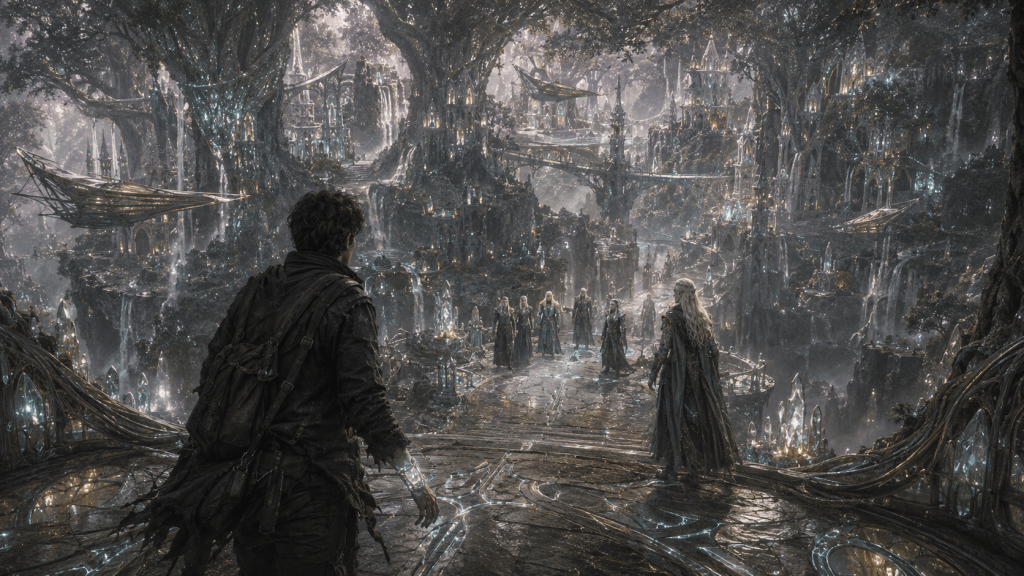
The arrival in the full elven realm brings one of the strongest visual and cultural contrasts in The Failing Path. Zone Thirteen survived through repair, salvage and adaptation, while the elven civilisation Aeloria enters rises through living crystal, enormous trees, layered bridges, controlled water systems and field-balanced craft moving through open air.

For Aeloria, the contrast reaches beyond beauty. Structures hold their weight, water flows where it has been guided, pathways remain maintained, and light runs through living architecture as part of ordinary function rather than as the unpredictable residue of a failing human system.

The experience reveals what stability looks like from someone raised in a place where almost everything had already been repaired too many times. It also demonstrates why material prosperity and personal safety should never be treated as the same thing.

The path-stones continue glowing after Aeloria arrives, ordinary elves begin watching, and six elders come to meet the field team. Serenis then reveals that she has understood Aeloria’s English throughout the crossing, changing the meaning of every earlier silence between them and leaving him aware that he has been observed far more closely than he realised.

The full elven realm therefore expands the scale of the story while narrowing Aeloria’s personal freedom. He has left the collapsing fragment behind, yet arrival places him before institutions capable of giving his presence a meaning he has never chosen for himself.


A Science-Fantasy World Built on Inheritance

The fractured realms of The Awakening of Power exist where technology, resonance, archaeology and myth can no longer be separated into simple categories. Crystals shape tools, architecture, transport and pathway systems, while structures left by older civilisations continue carrying functions that later cultures can use more easily than they can fully explain.

Human civilisation develops through technological adaptation and applied engineering, whereas the elves have built a closer relationship with crystal resonance and cultivated systems. Neither approach makes one culture inherently wiser, because each represents knowledge grown inside the limits of a separated world.

That partial understanding gives the series much of its atmosphere. Ancient structures matter because current lives still depend upon them, crystal systems matter because different peoples have built cultures around different forms of access, and pathways matter because their deterioration threatens the fragile connections that still exist between otherwise isolated realms.

The Failing Path places Aeloria directly inside that pressure for the first time. He enters the fragment carrying the survival instincts of Zone Thirteen and expecting damaged ground to behave according to the familiar logic of damaged machinery, only to discover that some old systems remain active enough to recognise movement, resonance and presence in ways no scavenger training could have prepared him to understand.

By the time he reaches the elven realm, the most unsettling truth is no longer simply that the path is failing. It is that parts of the ancient structure beneath the fractured worlds still appear capable of remembering what they were built to do, even when the people living among them have inherited only fragments of that knowledge.
Salvage Culture and Crystal Technology in the Mythic Science Fantasy of Zone Thirteen

Where Survival Begins with What Others Left Behind

Aeloria began each morning with an empty pack and a clear understanding of how much attention an ordinary journey could attract. He moved along the broken edge of the roadway, tested fractured concrete before trusting his weight to it, and kept away from the open centre where other people might remember seeing him. Around him, leaning pylons carried loose wires above habitation shells patched with fabric, old pipe, and salvaged metal, while the faint hum of failing systems travelled through a settlement that had learned to survive on partial function. This was daily life in Zone Thirteen, where advanced technology remained everywhere and reliable technology had become a scarce resource.

That distinction gives the setting its place within mythic science fantasy. Zone Thirteen belongs to a technologically advanced human civilisation, even though its inhabitants live among damaged infrastructure and neglected systems. Scanners, relay units, heat assemblies, surveillance machines, conduits, crystal nodes, and engineered structures form part of ordinary experience. The hardship comes from abandonment, uneven maintenance, and the knowledge that stability elsewhere has never reached this edge of human territory with the same strength.

The people of the Zone have therefore built a culture around recovery. Almost every useful object carries the marks of an earlier purpose, followed by removal, repair, resale, and adaptation. A housing panel may become a windbreak, a discarded door may become a trader’s table, and mismatched power units may be joined into a working domestic system. Survival depends upon seeing continued use inside apparent failure, which makes salvage far more than a convenient element of science fantasy worldbuilding.


Salvage as Labour, Knowledge, and Risk

Aeloria’s work required patience before strength. When he opened a damaged service unit, he judged the condition of the seal, the remaining wiring, the likelihood of charge, the time required for removal, and the trace his presence might leave behind. A coil of reusable wire could still be abandoned when the effort carried too much exposure for too little return. Every choice placed value beside danger, and skill lay in recognising when an object deserved the minutes it would cost.

This practical intelligence shaped the way he moved through the Zone. Existing footprints offered a route across fine dust, shallow channels provided cover from open ground, and the edges of busy spaces allowed passage with less notice. Aeloria read structures through wear, vibration, resistance, and sound. His knowledge came from repeated contact with systems whose failures could injure him long before they offered anything worth carrying home.

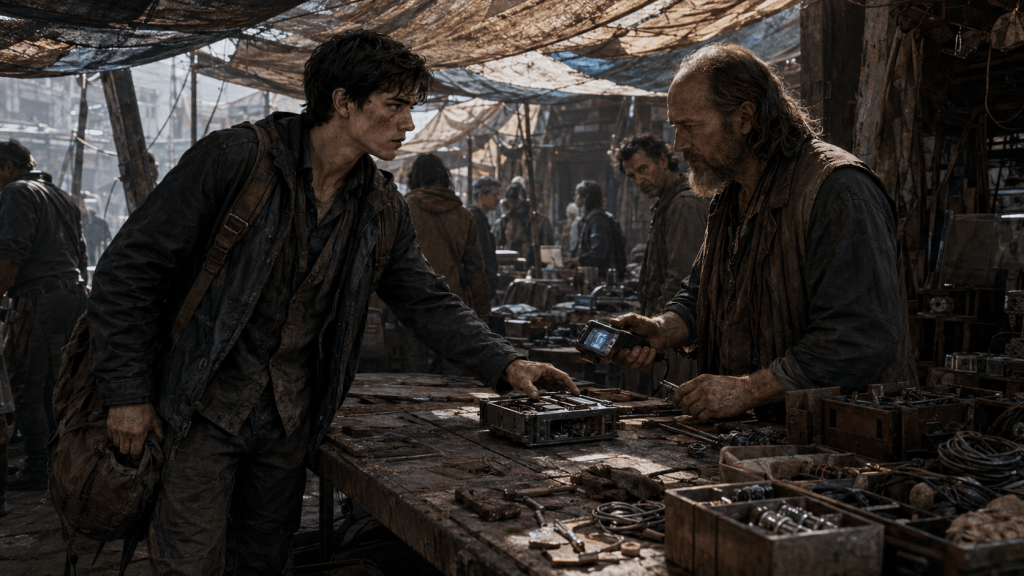
Salvage also supported a local economy built around tokens, uncertain prices, and guarded information. At Merrow’s trade station, stripped wiring sat beside cracked housings, wrapped glass tubes, worn tools, and components whose value depended upon function more than appearance. A clean assembly drew interest because cleanliness suggested rarity, while rarity changed the behaviour of everyone close enough to see it. Negotiation became part valuation, part concealment, with both trader and scavenger aware that curiosity could carry its own cost.

Merrow understood the social pressure surrounding valuable material. His stall offered Aeloria a familiar place to trade, yet familiarity never removed calculation from the exchange. A damaged seam lowered the offered price, an intact internal assembly raised it again, and a prolonged argument risked revealing how much the object mattered. In this part of the fractured world, economic survival depended upon reading faces as carefully as machinery.


Advanced Human Technology at the Edge of Order

The degradation of Zone Thirteen never makes humanity primitive. Its roads, pylons, scanning devices, powered tools, surveillance systems, and engineered dwellings reveal a civilisation capable of sophisticated construction and control. The Zone receives the remains of that capability in uneven condition, which creates a sharper tension than complete technological collapse could provide. People live close enough to advanced systems to understand their practical use, while access to dependable infrastructure remains limited by geography, neglect, and power.

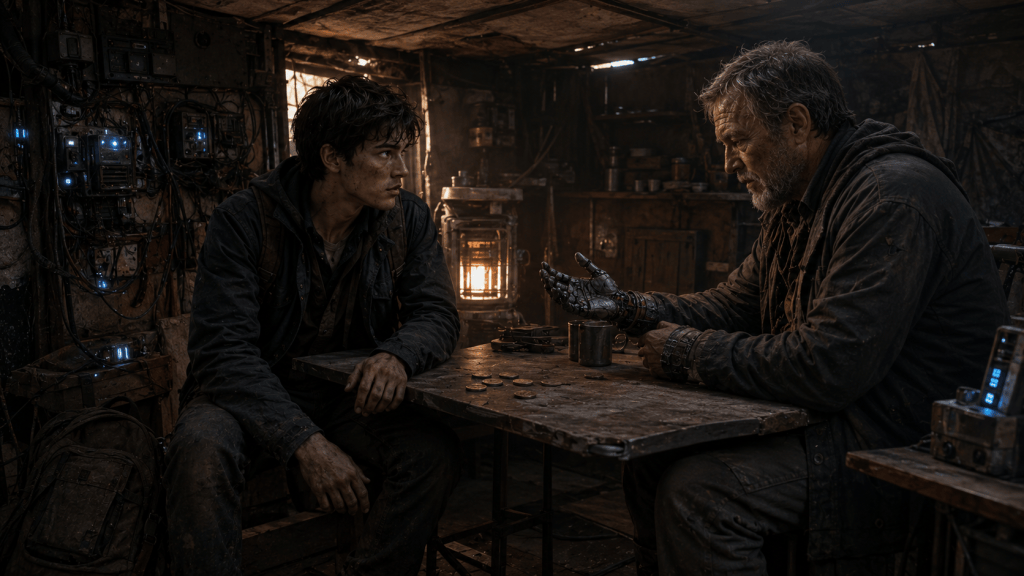
Larn’s shack shows this tension at its most intimate. Sections of the floor carry visible replacement lines, the roof consists of layered repairs, and old parts fill the room in ordered groups. Along one wall, salvaged units have been integrated into a working system through a lattice of cables and small crystal nodes, allowing heat and power to move through components that were never designed to serve together. The result feels improvised and sophisticated in equal measure, shaped by knowledge accumulated through necessity.

Larn himself carries the same relationship between body and machinery. His ageing mechanical hand continues to function through care, adjustment, and an acceptance that every repair has limits. Tokens earned through Aeloria’s scavenging may become food, a filter frame, a pack strap, or another attempt to keep that hand working. Technology remains personal here because its condition enters the body, the home, and the decisions made around a worn table.

This approach allows fantasy with advanced technology to remain materially grounded. Machines possess weight, heat, seals, damaged relays, delayed responses, and repair histories. Crystal-powered technology belongs beside those physical realities, serving ordinary needs before its deeper possibilities emerge. The world gains its science fantasy identity through the way machinery and crystal systems share the same lived environment, each carrying layers of knowledge beyond the reach of the people currently using them.


When Familiar Systems Begin to Behave Differently

Aeloria’s ability to recognise danger depended upon knowing how the Zone usually behaved. Pylons hummed irregularly, old metal carried vibration, structures settled, and the ground shifted where buried spaces had weakened. These conditions belonged to familiar risk. The true disturbance began when familiar failures changed their pattern, allowing a hum to fall out of alignment, a surface to answer a fraction too late, or a distant pylon to flare where no working connection should have carried power.

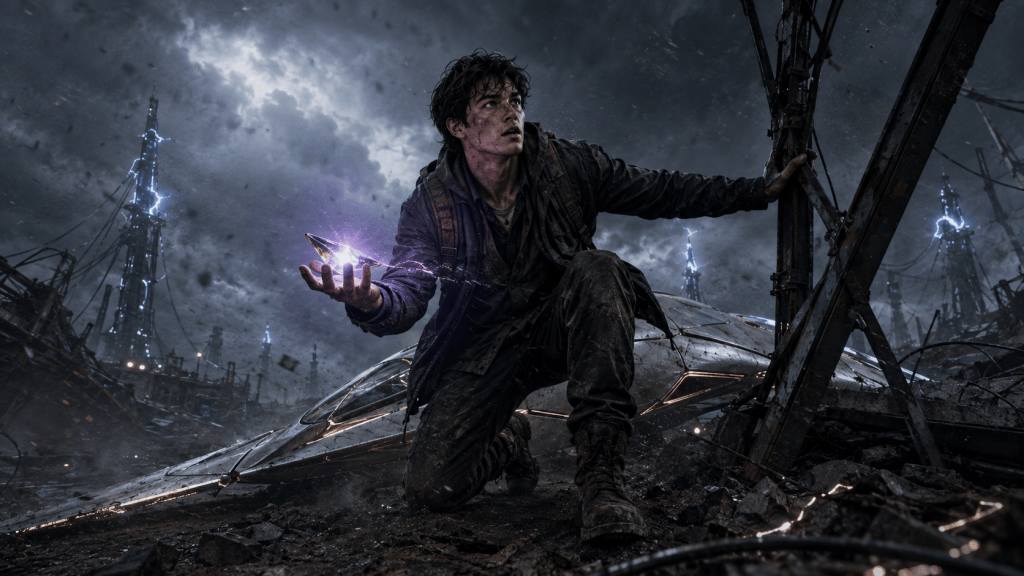
This is where the story’s crystal technology gains weight. Aeloria encounters the impossible through differences in systems he already understands, which means wonder arrives through recognition before explanation. The fallen glider appears too clean for its surroundings, with precise panels, deliberate curves, and an intact structure that holds steady while the ground around it slips. The shard within carries the same unsettling precision, placing an object beyond known human salvage into the hand of someone trained to judge value through touch.

His first contact with the shard offers no easy mastery. Heat moves through his palm, buried systems respond, and dormant pylons awaken across distances their damaged network should never bridge. The crystal’s resonance reaches through body, machinery, and environment as one connected event, turning an act of salvage into a signal that extends far beyond the Zone. Aeloria survives the response before he gains any language capable of containing it.

The strength of this moment grows from everything that came earlier. A boy who has spent years opening casings, testing conduits, and listening to the condition of old systems knows when machinery has crossed into unfamiliar behaviour. He carries no scholarly theory of crystal resonance, though his body recognises the change as pressure, resistance, heat, and altered balance. Myth and technology meet through lived consequence, preserving mystery while keeping the experience physically clear.


The Human Cost of Living Through Repair

Salvage culture keeps Zone Thirteen alive, yet it also reveals how completely the settlement has been left to manage its own decline. Repairs preserve heat, shelter, movement, and trade while offering little sense of lasting improvement. Each successful recovery buys time for a household or replaces one failing part, and the wider infrastructure continues to lean, split, and lose function around the people depending upon it. Survival becomes an ongoing negotiation with systems already moving towards another failure.

That pressure shapes relationships as deeply as it shapes buildings. Aeloria and Larn speak through practical concerns because practical concerns carry affection inside the shack. The state of Larn’s hand, the price of a filter, the number of tokens on the table, and the condition of Aeloria’s pack strap express the care they rarely state directly. Their home endures through attention, shared labour, and an understanding that every small choice affects how long the other person can continue.

The wider community carries its own forms of connection. Traders remember families, warnings pass beneath casual speech, and familiar exchanges provide brief stability inside watched spaces. Scarcity can sharpen suspicion, yet it also creates networks of recognition among people who understand the same limits. Zone Thirteen feels inhabited because its residents have routines, judgements, skills, and loyalties that extend beyond the damaged landscape surrounding them.


Why Zone Thirteen Matters to The Chronicles of Aeloria

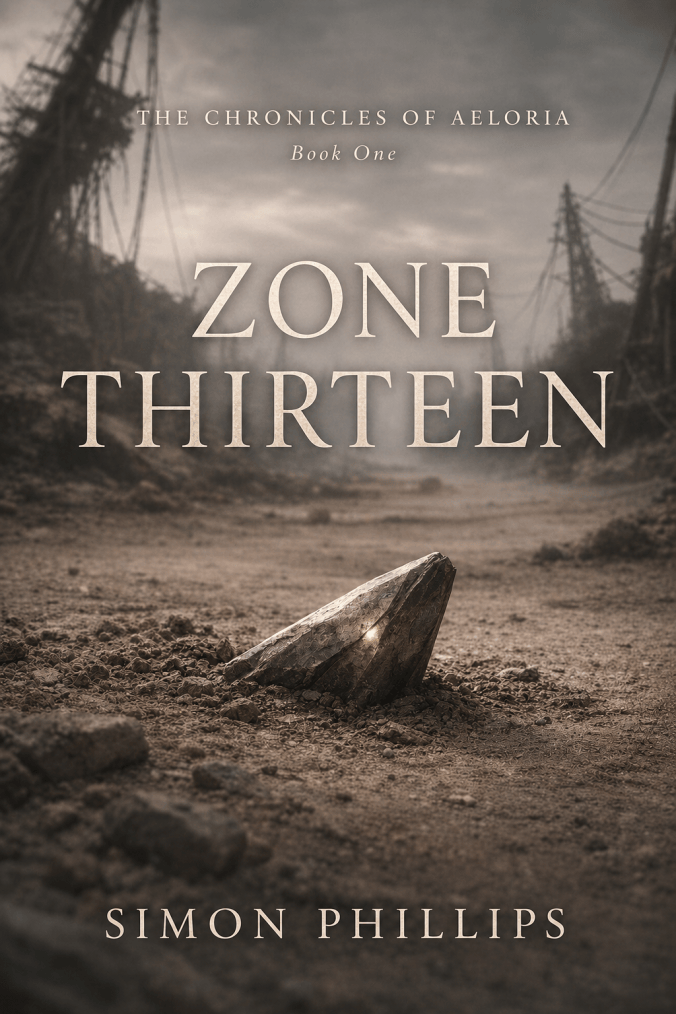
Zone Thirteen, Book One of The Chronicles of Aeloria, begins with a scavenger whose greatest ability appears to be remaining useful while escaping notice. Aeloria possesses no public importance within his settlement, and his ambitions remain tied to food, repairs, safe routes, and the person waiting for him at home. The story allows that ordinary pressure to settle fully before crystal resonance widens the scale of his life.

His scavenger experience gives the larger mythic science fantasy story a human foundation. Aeloria approaches strange systems through observation before theory, and he judges power by what it changes around him. A crystal reaction matters because pylons awaken, ground loses alignment, machines begin searching, and the safety of home collapses under outside attention. The world grows larger through consequences that reach the life already established on the page.

This foundation also protects the fractured realms from becoming a collection of decorative locations. Zone Thirteen teaches the reader that culture emerges through the way people travel, work, trade, repair, fear, and remember. As the wider world opens, every civilisation will carry its own relationship with crystal systems, technology, inheritance, and separation. Aeloria enters that pressure with habits learned among broken roads and stripped machines, carrying the knowledge of a place accustomed to surviving with incomplete answers.


What Broken Technology Preserves

Salvage begins with the belief that failure has left something usable behind. In Zone Thirteen, that belief keeps homes warm, machinery active, trade moving, and people connected to a human civilisation whose stability has passed them by. It also mirrors the deeper condition of the world, where current cultures continue to live through systems inherited from an older order whose full purpose has slipped beyond memory.

The danger begins when those systems cease behaving like passive remains. A dormant connection may still carry power, an abandoned structure may retain a purpose, and a crystal may respond to a person whom every visible authority has learned to overlook. Zone Thirteen gives those possibilities material weight through dust, tokens, patched walls, worn mechanisms, and the careful hands of a scavenger measuring what the day has left him.

The world of The Chronicles of Aeloria grows from that meeting between survival and inheritance. Technology carries memory through continued use, crystals carry forces that resist easy classification, and forgotten structures retain connections across fractures that present civilisations only partly understand. Before Aeloria can face any larger meaning, he must survive the moment when the broken world around him begins to answer again, and the skills that once kept him unseen become the only means he has of recognising how much has changed.

Zone Thirteen and the Pressure of a Fractured Sci-Fantasy World

Where Broken Systems Still Breathe

Zone Thirteen stood at the edge of human order, though order had become a generous word for what remained there. The roads held their shape through habit more than repair. Pylons leaned into the wind with stripped frames and tired wires. Habitation shells endured by patchwork, scavenged metal, old clamps, and the quiet discipline of those who had learned to survive among systems already past their intended life.

For a mythic sci-fantasy novella, this kind of place matters. Power rarely begins inside palaces or temples. It begins where nobody expects consequence to gather. It begins in forgotten ground, beneath broken infrastructure, among salvage routes and old machines that still carry a faint memory of function. In Zone Thirteen, the opening movement of The Chronicles of Aeloria, the world does not announce itself through prophecy. It presses against the skin first.

Aeloria’s world is built from edges. The edge of roads. The edge of notice. The edge of value. The edge of systems that still respond in fragments. His life among salvage, tokens, failed conduits, and old relay units places him inside a fractured worlds fantasy series before the wider realms are ever named. The science fantasy pressure is already present in the environment itself, where broken technology carries something older than machinery and where dormant crystal behaviour waits beneath practical survival.

Zone Thirteen is not simply a damaged settlement. It is a pressure space. Every surface suggests previous use, previous collapse, previous hands stripping away whatever could still be sold or made useful. The people living there have inherited failure without receiving explanation. They cross unstable ground because the ground still allows them to cross. They use systems because enough of those systems continue to answer. They survive without believing survival has larger meaning.

That is why the shard matters before it is understood.


Power Before Understanding

In many fantasy stories, power arrives as revelation. In Zone Thirteen, power arrives as misalignment. The hum changes. The ground delays its response. Pylons flare when no working line should carry current. A storm gathers around an object whose shape and behaviour exceed every category available to the boy who finds it.

This is where the novella’s strongest discovery language sits. Aeloria does not step into mastery. He is pulled into pressure. The shard responds to him through heat, weight, resistance, and bodily consequence, making power feel like an event before it becomes a destiny. It is a magical crystal world fantasy without the comfort of clean enchantment. The crystal does not explain itself. It enters the body’s awareness through pulse and strain.

That restraint gives the world its force. Ancient systems remain present, yet their purpose has thinned into fragments. Relay units, pylons, conduits, machines, and scanning beams all belong to a technological order, while the shard and surge belong to an inheritance older than human control. The result is fantasy with ancient technology shaped through use, decay, and response. Nothing feels decorative. Nothing exists only to signal wonder. Every object carries function, failure, or threat.

The Zone teaches Aeloria how to read surfaces. He knows which paths draw attention, which structures still offer cover, which salvage holds value, and which movements might leave traces. That training becomes crucial once the world itself begins acting like a system that can notice him. He has spent his life avoiding attention in a place where attention costs. Once the shard wakes, hiding becomes more difficult because the environment responds before people do.

This is one of the deeper tensions inside atmospheric sci-fantasy fiction. A broken system can remain survivable for years, even generations, until something returns meaning to it. Zone Thirteen has survived through neglect because neglect is predictable. The surge changes that. It reminds the Zone of older pathways, older connections, and older power. What once failed quietly begins answering in fragments, and each answer draws the attention of forces trained to contain rather than understand.

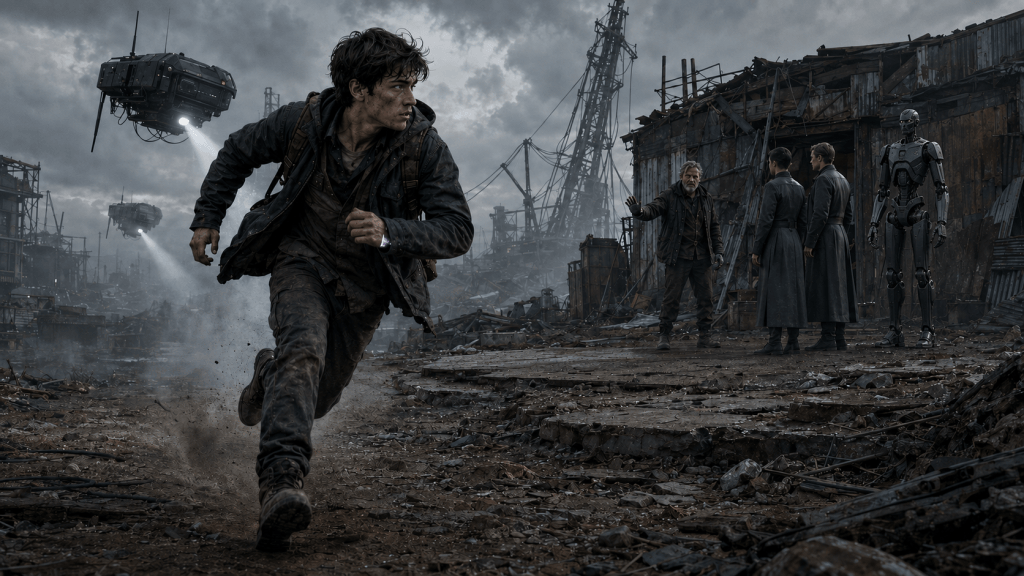
The figures who arrive after the surge carry a different kind of fear. They are clean where the Zone is worn. Their machines move with coordinated precision through a place that usually belongs to improvisation and adaptation. They speak in controlled signals: contact, containment, grid. Their presence turns Aeloria’s home into an operational field, reducing lived ground into a map of detection and response.

That shift matters because The Awakening of Power is a series about misreading. Institutions see signal before person. Systems see anomaly before fear. Power is classified before it is understood. Aeloria becomes dangerous to others the moment the world reacts to him, even though he remains the one least able to explain what has happened.


Entering Zone Thirteen

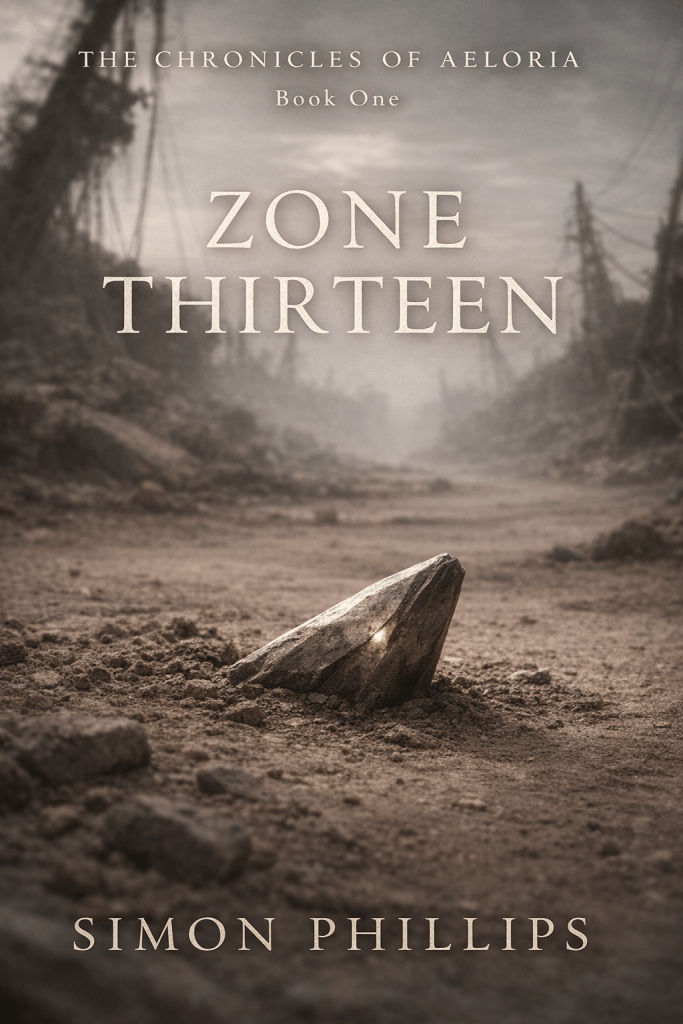
Zone Thirteen is Book 1 of The Chronicles of Aeloria, and it functions as the first contained movement in a slow-burn fantasy novella series shaped around pressure, displacement, and awakening. Its focus remains intimate. It holds close to one boy, one settlement, one guardian figure, one shard, and one rupture that changes the scale of everything.

The novella’s surface is survival. Aeloria moves through salvage routes, trades recovered parts, returns to the shack he shares with Larn, and measures value through tokens, repairs, and risk. Beneath that practical rhythm, the world begins to reveal its deeper instability. The ground shifts by fractions before larger distortions arrive. Systems respond in brief fragments before the surge takes hold. The storm grows from environmental pressure into something that feels almost structural, as though reality itself has begun to move out of alignment.

The experience of entering Zone Thirteen is the experience of entering a world already strained past comfort. It does not rush to explain its history. Instead, it lets the reader feel the shape of life inside its failure. Salvage is labour, habit, economy, and concealment. Larn’s shack is shelter, base, repair space, and emotional centre. The shard is discovery, wound, inheritance, and signal. The rupture is departure, threat, and threshold at once.

The KDP ebook link can sit quietly as the reader’s next step rather than as a loud interruption: The Chronicles of Aeloria: Zone Thirteen

What makes this opening work as a science fantasy novella series entry is its refusal to treat awakening as triumph. Aeloria gains no clean victory from the shard. He loses stability. He loses the safety of being overlooked. He sees Larn threatened. He feels the world answer him without consent. By the end, the Zone itself tears open, and the familiar ground beneath him gives way to motion, light, and the unknown.

The result is a beginning that feels complete in emotional pressure while leaving the larger mythic system unresolved. The novella closes the life Aeloria knew. It opens the passage into everything his world had buried.


The First Pressure of the Fractured Realms

Beyond Zone Thirteen, the larger movement of The Awakening of Power rests on fractured realms, ancient crystal systems, separated races, weakened pathways, and a forgotten inheritance that each civilisation understands only in part. The first novella keeps that larger architecture mostly beneath the surface, which strengthens its mystery. The reader senses scale through reaction rather than explanation.

The shard’s behaviour suggests inheritance before history names it. The surge shows that dormant systems can awaken through contact with the right presence. The glider introduces the possibility of non-human craft without turning the scene into exposition. The machines and external operators reveal that human authority has already developed methods for detection and containment, perhaps long before Aeloria ever became visible to them.

This layered approach allows the series to grow without feeling sudden. Zone Thirteen becomes the first pressure chamber of the wider fractured worlds fantasy series. It shows the human edge of a broken order: poor infrastructure, procedural enforcement, salvage economies, survival routes, and old systems degraded into partial function. Later realms may bring temples, pathways, crystal harmonics, elven vessels, ancient ruins, and political fear, yet their foundation is already present in the way Zone Thirteen behaves.

The fractured realms are living systems rather than simple locations. They remember through infrastructure. They answer through instability. They preserve old connections in damaged forms. When Aeloria touches the shard, he does more than activate an object. He forces the hidden relationship between body, crystal, environment, and old design into motion again.

That is where the mythic weight begins. Power in this world is neither prize nor weapon in its first expression. It is pressure. It changes footing. It changes sound. It changes how machines move and how people speak. It turns a scavenger into a signal and a home into a containment zone.

The cost of that awakening lies in the way no one present can fully interpret it. The Zone cannot explain itself. The operators act through procedure. Larn understands enough to recognise danger, yet even his protection cannot hold against the scale of what has begun. Aeloria feels the truth physically, long before he can name it. That gives the series its strongest continuity thread: understanding always arrives late.


What the World Remembers

Zone Thirteen remains behind, though it does not vanish. Places like that never vanish cleanly. They remain in the body through habit, caution, and the memory of ground tested before each step. They remain in the way a person watches doorways, listens to hums, weighs silence, and understands that attention can become a form of danger.

Aeloria leaves the Zone through rupture, yet the Zone has already shaped the way he will move through every realm that follows. He has learned broken systems before he learns ancient ones. He has learned survival before inheritance. He has learned that value is always judged by those holding power, and that being useful can become another kind of trap.

The world beyond the rupture waits with its own temples, pathways, ruins, and crystal pressures. Other races will carry their own partial truths. Other systems will claim older authority. The fractured realms may speak of balance, restoration, fear, and unity, yet the first lesson remains grounded in dust, salvage, and failing pylons.

A forgotten place answered first.

A shard woke inside a boy who had spent his life avoiding notice.

The world shifted before anyone understood why.